26 Great Self-Care Ideas for Women: The Self-care Alphabet!
What if self-care practices could be as simple as going through the alphabet? I know, I know—another self-care article. But hear me out. This isn’t about expensive spa days or finding an extra three hours you don’t have.
This is about practical self-care ideas that actually fit into your real life, especially if you’re navigating the beautiful complexity of midlife.
From Aromatherapy to Zen-ing your space, I’ve curated 26 self-care activities—one for each letter of the alphabet—specifically chosen for their ability to transform your physical, mental, and emotional well-being without requiring a complete life overhaul.
Whether you’re dealing with hormonal changes, empty nest transitions, career pivots, or simply feeling like you’ve lost yourself in the shuffle of caring for everyone else, this guide offers a buffet of options.
Pick what resonates, leave what doesn’t, and create your own personalized self-care routine that actually sticks.
This post may contain affiliate links. Click to visit policies and disclosures

What Self-Care Really Means (Especially After 40)
Before we dive into our alphabet adventure, let’s get real about what self-care actually is—and what it isn’t.
Self-care is the intentional practice of activities that preserve or improve your mental, physical, and emotional health. It’s not selfish. It’s not luxury. It’s basic maintenance for the only body and mind you’ll ever have.
For women over 40, self-care takes on new dimensions. Your body is changing, your energy needs are different, and your time is more precious than ever.
The self-care that worked in your 30s might not cut it anymore—and that’s perfectly okay.
True self-care is about:
- Listening to your body’s changing needs
- Setting boundaries without guilt
- Prioritizing activities that genuinely restore you
- Creating sustainable practices, not perfect ones
- Recognizing that rest is productive
Think of self-care as compound interest for your well-being. Small, consistent deposits create remarkable returns over time.
The Beauty of Self-care
The beauty of self-care is that it’s customizable to your needs and preferences. It’s about discovering what brings you peace, joy, and a sense of well-being.
So, whether it’s engaging in creative hobbies, spending time with loved ones, pampering yourself with self-care rituals, or simply giving yourself permission to rest, self-care is all about nurturing and honoring yourself.
Remember, self-care is not selfish—it’s vital to your overall health and happiness.
By taking care of yourself, you become better equipped to take care of others and tackle the challenges that life throws your way.
So, my friend, I encourage you to embark on your self-care journey. Explore different practices, try new things, and find what resonates.
Prioritize yourself.
You deserve to prioritize yourself and make self-care a part of your everyday life. Embrace the magic of self-care and watch as it transforms your well-being from the inside out. You’ve got this!
Self-care is taking action to preserve or improve one’s health and protect one’s well-being and happiness.
Don’t you love that? No one will do it for you -you’ve got to take matters into your own hands and care for YOURSELF—end of the story.
The Self-Care Alphabet: 26 Self-care Ideas for Women
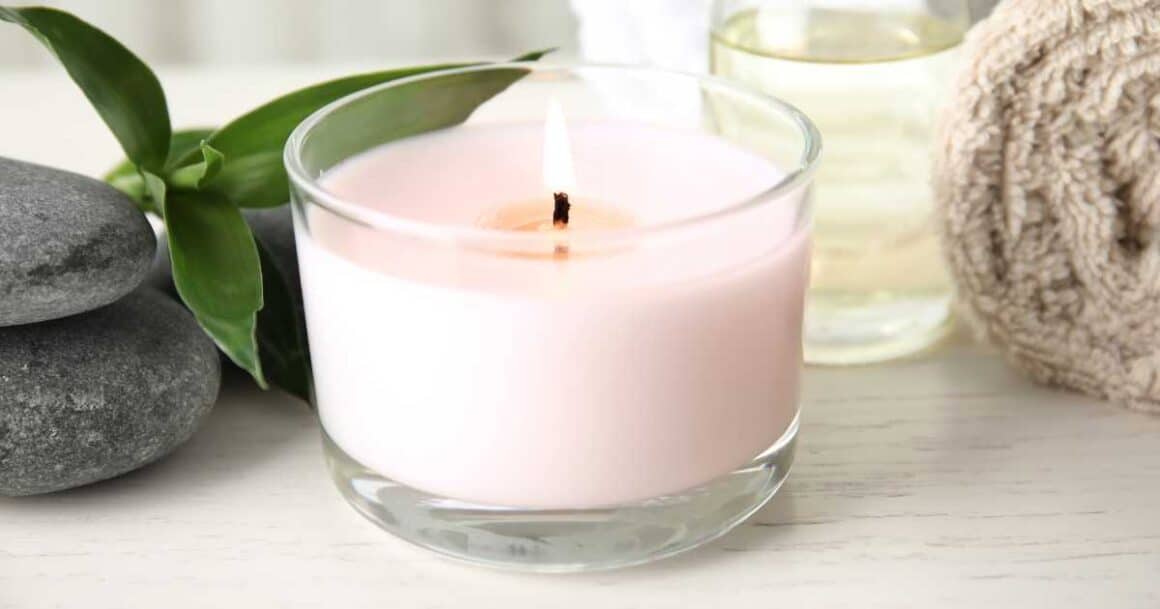
A – Aromatherapy: Instant Mood Medicine
Aromatherapy isn’t just about lovely scents—it’s a legitimate stress management technique that works through your limbic system to affect emotions and hormones.
These are some scents that really resonate with me that I think you should try:
- Lavender: Reduces cortisol and helps with sleep (hello, night sweats)
- Peppermint: Combats brain fog and boosts energy
- Clary Sage: Helps balance hormones naturally
- Bergamot: Lifts mood and reduces anxiety
Quick Implementation: Keep a rollerball of lavender oil in your purse. Apply to wrists during stressful moments for instant calm.
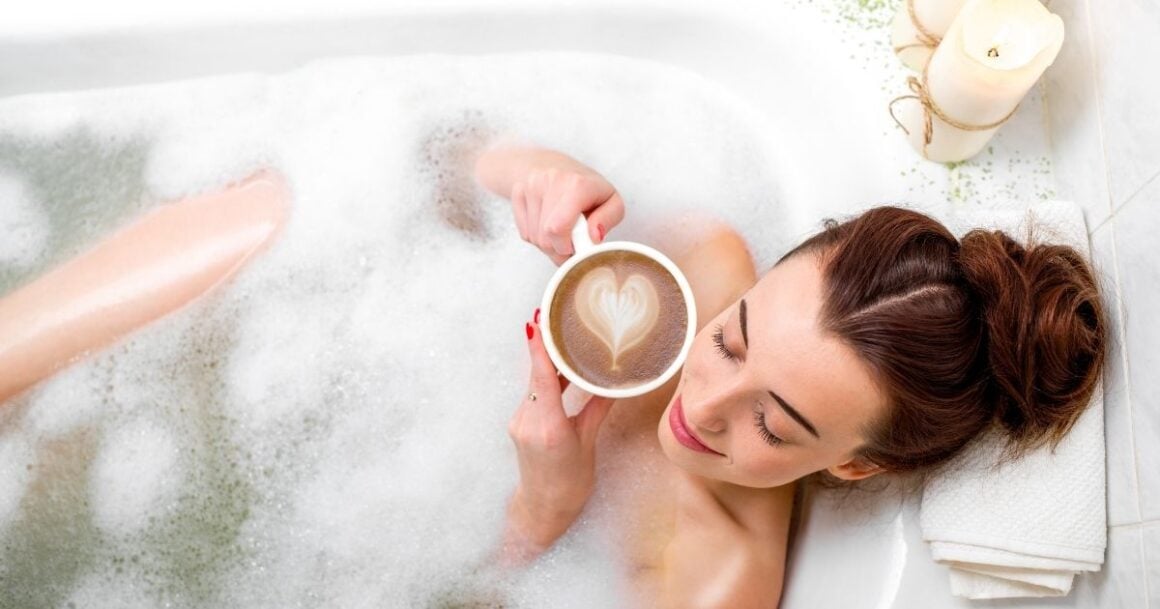
B – Bathing Rituals: More Than Bubbles
Transform your bath from a quick necessity to a restorative self-care ritual. This is physical self-care at its most accessible.
My All-Time Favorite Power Bath Recipe:
- Epsom salts (2 cups) for muscle recovery and magnesium
- Baking soda (1/2 cup) to soften skin and neutralize acids
- Essential oils (10 drops) for aromatherapy benefits
- Candles for ambiance (because you deserve it)
Set a timer for at least 20 minutes. This isn’t rushing—it’s investing in your recovery.
Related: The Art of Bathing: Self-care Bath Ideas


C – Create: Unleash Your Inner Artist
Creativity isn’t just for “creative types”—it’s therapeutic self-care that reduces anxiety and boosts problem-solving skills. Research shows creative activities can reduce cortisol by up to 75%.
Low-pressure creative Self-care Ideas:
- Adult coloring books (yes, they’re therapeutic)
- Journaling without rules
- Photography with your phone
- Cooking new recipes
- Arranging flowers
- Doodling during calls
The goal isn’t perfection—it’s process. Let your hands create while your mind rests.

D – Dry Brushing: Your Skin’s Best Friend
Dry brushing is self-care gold for midlife skin. It boosts circulation, supports lymphatic drainage, and helps with the skin changes that come with hormonal shifts.
The Right Way to Dry Brush:
- Do it 3x weekly for best results
- Use a natural bristle brush
- Start at feet, brush upward toward heart
- Use circular motions on joints
- Lighter pressure on sensitive areas
- Follow with moisturizer
Related: The Many Benefits of Dry Brushing!
E – Exercise as Self-Care (Not The Most Popular Self-Care Idea…)
Reframe exercise from obligation to opportunity—even 10 minutes counts. A walk around the block is better than nothing. Your body needs different movement now than it did at 25.
Exercise Must-Haves for Midlife Women:
- Strength training: Crucial for bone density
- Flexibility work: Maintains range of motion
- Balance exercises: Prevents falls
- Cardiovascular health: Protects your heart




F – Friendship: Your Secret Wellness Weapon
Social connections become even more vital after 40. Studies show strong friendships can add years to your life and life to your years.
Self-Care Ideas for Strong Friendships
- Schedule regular check-ins (even 5-minute calls)
- Join groups aligned with your interests
- Practice vulnerability with trusted friends
- Let go of draining relationships
- Make new friends (yes, it’s possible!)
Related: How to Make New Friends in Your 50s + Social Self-Care for Women Over 40
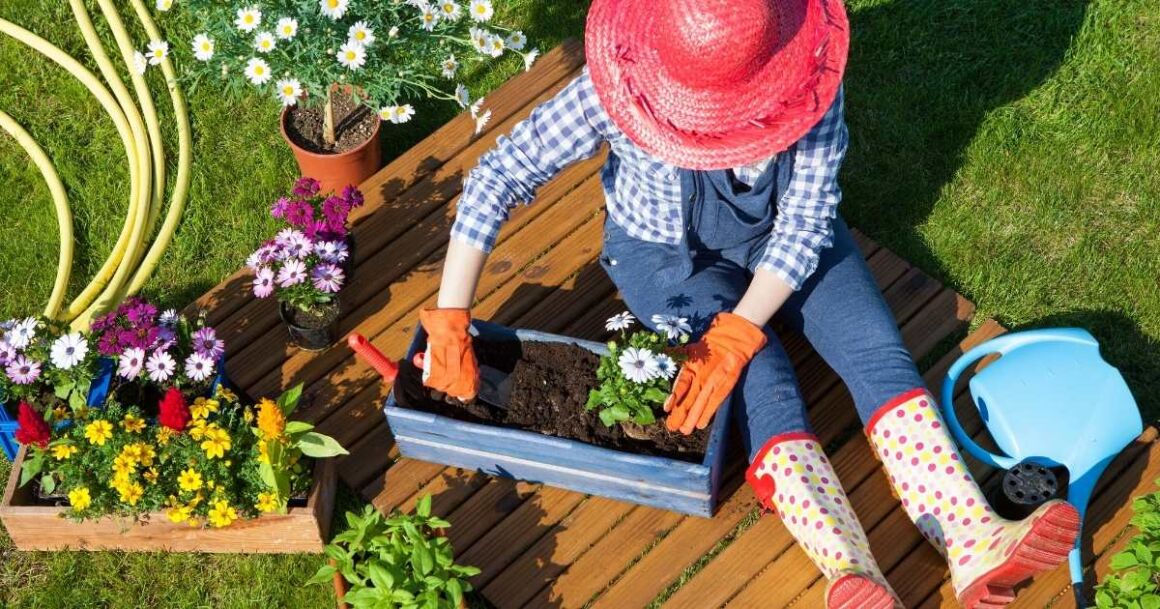
G – Gardening: Grounding for Body and Soul
Gardening isn’t just about growing plants—it’s a form of self-care that nourishes both body and soul. It gives you gentle movement, encourages mindfulness, and provides the joy of watching something you’ve nurtured thrive.
Even science backs it up: the soil bacteria Mycobacterium vaccae have been shown to boost mood and act like a natural antidepressant.
The best part? You don’t need a big backyard to get started.
Begin with something small and manageable:
- Herbs on a sunny windowsill – basil, mint, or rosemary add freshness to your meals.
- One tomato plant in a pot – a simple way to enjoy homegrown produce.
- A collection of succulents – low-maintenance plants that thrive indoors.
- An Easy to Grow Houseplant – instant beauty and a mood lift. (+ some plants clear the air!)
Gardening reminds us that growth takes time and care—just like self-care. So roll up your sleeves, dig into the soil, and remember: dirty hands, happy heart.
Related: Fun Quotes for Plant Lovers + My Best Houseplant Tips + Starting a Raised Garden
H – Home as Sanctuary
Your home environment directly impacts your well-being. Create spaces that restore rather than drain you. Your space should hug you when you walk in.
Quick sanctuary upgrades:
- Declutter one surface
- Add plants for air quality
- Create a cozy reading corner
- Use soft lighting in evenings
- Display items that bring joy
- Establish phone-free zones
I – Imagination and Visualization
Use your imagination as a self-care tool. Visualization can reduce stress, improve performance, and clarify goals.
A Fun Self-care Idea: 5-Minute Visualization
- Close your eyes
- Breathe deeply three times
- Imagine your ideal day in detail
- Feel the emotions of that day
- Open your eyes and write one action step
Related: Creative Vision Board Ideas + 100 Inspiring Vision Board Quotes

J – Journaling: Your Mental Health Ally
Journaling is one of the most powerful yet underrated self-care tools we have. Think of it as free therapy available anytime you need it—whether it’s first thing in the morning, before bed, or during a stressful moment in the middle of the day.
Writing down your thoughts helps you process emotions, release mental clutter, and create clarity.
For women over 40, journaling can be especially meaningful. Midlife often brings big transitions—empty nesting, career shifts, relationship changes, and reflections on identity.
Putting pen to paper creates a safe space to process those shifts with honesty and compassion.
Here are a few journaling practices you might try to boost your self-care routine:
- Morning Pages – Write three pages of stream-of-consciousness writing every morning. This clears mental chatter and sparks creativity.
- Gratitude Journaling – Listing even three small things you’re thankful for each day can rewire your brain for positivity and resilience.
- Five-Year Journaling – Capture one short entry every day over five years. Looking back helps you see how much you’ve grown.
- Future Self Letters – Write a letter to yourself a year from now, sharing encouragement, goals, and dreams.
Journaling doesn’t have to be perfect writing or even full sentences—it’s about expression, not grammar. Over time, you’ll notice greater self-awareness, reduced stress, and a deeper sense of connection to yourself.
When life feels overwhelming, remember: your journal is always ready to listen.
Related article: How to start morning pages + How to Make a Gratitude Jar
K – Kegel Exercises: Pelvic Power
This self-care idea may surprise you—Kegel exercises are essential self-care for women, especially during and after menopause.
Beyond the obvious benefits, kegel exercises can:
- Reduce anxiety (yes, really!)
- Improve core stability
- Enhance confidence
- Support organ health
Tip from me to you: Do them at red lights, during commercials, while you brush your teeth. No one knows but you.

L – Laughter as Medicine
Laughter literally changes your brain chemistry. It reduces stress hormones and increases endorphins.
Laughter Prescriptions:
- Watch stand-up comedy weekly
- Share funny memes with friends
- Keep a humor journal
- Play with pets or kids
- Don’t take yourself so seriously

M – Music.
Music is a gift-it’s like a salve for our wounds and scars. If I were a doctor, I would prescribe it to everyone daily.
When we are tired and weary from our busy and sometimes chaotic existence- Music can soothe and uplift and transport us- it can speak to us when we can’t or won’t hear anything else.
When lost, we can find our way home through the melodies and harmonies- and the lyrics.
N – Nature as Healer
Spending time in nature is one of the most restorative forms of self-care. Research shows that even 20 minutes outdoors can reduce cortisol levels, lower blood pressure, and lift your mood.
Fresh air, sunlight, and natural surroundings work together to calm the nervous system and bring a sense of peace we often can’t find indoors.
For women in midlife, connecting with nature can be especially grounding. It helps counter stress, supports hormonal balance, and gives us a chance to unplug from constant demands.
Best of all, you don’t need a mountain retreat to enjoy the benefits—nature is always close by.
Here are some simple and soul-nourishing ways to let nature heal:
- Morning sun on your face – a natural mood booster and a gentle way to set your circadian rhythm.
- Walking barefoot outside (earthing) – reconnects you with the earth’s energy and reduces stress.
- Cloud watching – a mindful practice that invites you to slow down and simply be.
- Enjoying sunsets – end your day with beauty, reflection, and gratitude.
- Stargazing – a reminder of perspective and wonder beyond daily worries.
- Tree hugging (yes, really!) – studies show it reduces stress and promotes relaxation.
- Hiking trails – combine movement with scenery for both physical health and mental clarity.
- Picnics in the park – turn an ordinary meal into a mini-retreat.
- Outdoor yoga or meditation – deepen your practice by breathing with the rhythm of nature.
- Forest bathing (Shinrin-yoku) – a Japanese practice of mindfully immersing yourself in the sights, sounds, and scents of the forest.
Whether it’s a five-minute walk around the block, tending to your garden, or a weekend hike in the mountains, every moment outdoors counts. Nature has a way of reminding us to slow down, breathe deeply, and remember that we’re part of something bigger.
Tip: When life feels overwhelming, step outside—even for just a few minutes. Nature is always ready to help you reset.
O – Organize One Thing
Organization as self-care isn’t about having a picture-perfect home or color-coded closets—it’s about creating little pockets of calm in the middle of life’s chaos.
When our surroundings feel cluttered, our minds often feel cluttered too. The good news? You don’t have to overhaul your entire house to feel relief.
Try the One-Thing Rule: commit to organizing just one small area each day. These micro-moments of order add up, giving you a sense of control and calm without overwhelming you.
Here’s how to incorporate getting organized into your self-care routine:
- Monday: Clear out your purse or handbag—say goodbye to old receipts and snack wrappers.
- Tuesday: Organize one drawer (I suggest starting with your nightstand).
- Wednesday: Delete 20 emails and unsubscribe from something you no longer read.
- Thursday: Plan tomorrow’s outfit—your future self will thank you.
- Friday: Refresh your car interior with a quick tidy-up.
- Weekend: Rest, recharge, and enjoy the space you’ve created.

Related article: The Benefits of Daily Meditation for Women
P – Prayer and Meditation
Spiritual self-care is one of the most grounding practices we can cultivate—especially in midlife, when life often feels full of transitions and uncertainties. Whether through prayer, meditation, or quiet reflection, these practices help reduce anxiety, build resilience, and create a sense of peace that carries into everyday life.
Both faith and science agree: regular spiritual practices lower stress, improve mental health, and even support physical well-being. T
hey give us an anchor in life’s storms and remind us that we’re connected to something greater than ourselves.
Simple ways to weave prayer and meditation into your daily self-care routine:
- 5-Minute Morning Meditation – Start the day with stillness, focusing on your breath before the world gets busy.
- Gratitude Prayers – Speak or write down three things you’re grateful for each day. This simple shift builds resilience and joy. (I love to use these “I am” gratitude affirmations during my prayer time!)
- Walking Meditation or Prayer Walking – Bring mindfulness outdoors by noticing your steps, breathing, and surroundings.
- Breath Prayers – Combine a calming breath with a short prayer or mantra, such as “Peace in, stress out.”
- Evening Reflection – Spend a few quiet minutes journaling or praying about the day, releasing worries before sleep.
The beauty of prayer and meditation is that they’re deeply personal—there’s no “right” way to do them. What matters most is consistency and creating space to pause, breathe, and connect.
Even just a few minutes a day can make a profound difference in your emotional balance, spiritual growth, and overall self-care journey.
Related: 100 Things to Pray for this year! + How to Pray for Your Adult Children

Q – Quit Something.
Quitting something is a big one! Self-care isn’t just about things that you can add. It’s about things that you need to subtract.
Q – Quit Something
Subtractive self-care is powerful. What you stop doing matters as much as what you start.
Consider quitting:
- Toxic relationships
- Quit Smoking
- Comparing yourself to others
- People Pleasing
- Eating too much sugar
- Working too much
- Perfectionism
- Staying up. too late
- Comparison scrolling
- Overcommitment
- Negative self-talk
R – Reading for Pleasure
Reading isn’t just a hobby—it’s one of the most effective forms of self-care.
Research shows that reading for just six minutes can reduce stress by up to 68%, making it even more calming than walking, drinking tea, or listening to music.
It’s a powerful way to relax your mind while also keeping your brain sharp and engaged.
For women in midlife, reading can be both escape and empowerment. It entertains, inspires, and sometimes even helps us see our own stories reflected in the lives of others.
Think of it as cognitive self-care—fuel for both your imagination and your mental health.
Simple ways to make reading a regular part of your self-care routine:
- Keep books everywhere – by your bed, in your bag, on your coffee table.
- Try audiobooks – perfect for walks, chores, or commutes.
- Join a fun book club – combine social connection with inspiration.
- Reread old favorites – comfort reads are soothing during stressful times.
- Give yourself permission to quit – life’s too short for books you don’t enjoy.
Reading is more than entertainment—it’s restoration. Let yourself get lost in a novel, inspired by a memoir, or uplifted by personal development books.
Remember: Giving yourself permission to escape into a good book is giving your mind and spirit the gift of rest.
Related: My Top Picks: Best Books for Overthinkers and Inspiring Books for Women
S – Sleep (One of the Most Vital Self-Care Ideas!)
Quality sleep is the foundation all other self-care ideas builds on. During perimenopause and menopause, sleep becomes even more crucial yet elusive.
Sleep Hygiene for Midlife:
- Cool bedroom (65-67°F)
- Consistent bedtime
- Magnesium supplements
- Limit alcohol
- Comfortable mattress/pillows
- Blue light blockers after 8 PM
Protect your sleep like your life depends on it—because it does.
T – Travel and Adventure
Travel and adventure are powerful self-care ideas that keep life exciting and fulfilling—especially in midlife, when routines can sometimes feel too predictable.
The truth is, you don’t always need a passport or a long vacation to experience the benefits. Adventure is a mindset as much as it is a destination, and it’s about saying yes to new experiences that spark joy and curiosity.
Exploring new places and trying fresh experiences can reduce stress, improve mood, and even boost creativity.
Whether it’s a weekend getaway or a simple change in your daily routine, adventure reminds you that life is still full of surprises waiting to be discovered.
Here are a few ways to bring travel and adventure into your self-care routine:
- Explore a new neighborhood – take a walk, try a café, and soak in the change of scenery.
- Take a different route home – break the monotony and notice things you’ve never seen before.
- Try a new restaurant or cuisine – delight your senses and expand your palate.
- Visit a local museum or gallery – feed your mind with history, art, and culture.
- Plan a day trip – nearby towns, hiking trails, or beaches can feel like mini-vacations.
- Book that dream vacation – give yourself something exciting to look forward to.
Travel and adventure don’t have to be grand gestures—they can be small, intentional choices that bring fun, growth, and a fresh perspective into your life.
Related: 100 Travel Essentials for Women

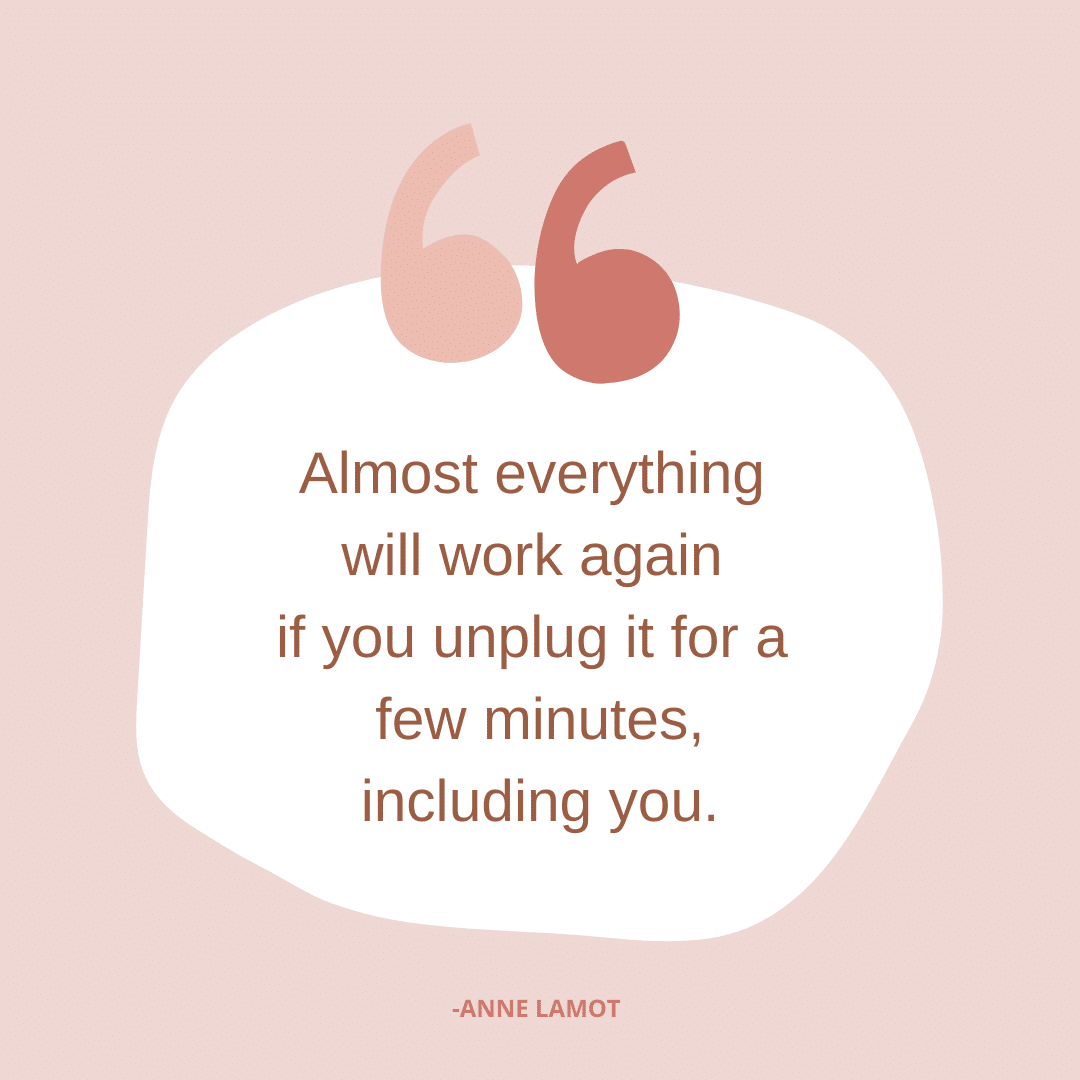
U – Unplug (digital detox)
Take a break from all the noise and the bright screens—try a digital detox! Spending some time unplugged from your devices or simply using them less can really help boost your overall well-being and bring a little more peace into your day.
Just say no to phones, computers, TVs, and video games. Read a book, do a craft, take a walk, or take a nap?! Do anything that doesn’t require a screen or power.
Have you ever looked at your phone’s screen time thingy? How much time do you spend on your phone? On social media? Tick-tock? Playing games?
Take a peek at your screen time if your like me-it’s frightening! FRIGHTENING, I tell you!
Related: The benefits of a digital detox
V – Vegetables and Vitamins
Nutritional self-care is one of the most essential self-care ideas for women over 40. You’ve got to nourish your changing body so you feel strong, energized, and supported through every stage of life.
The foods you choose can boost mood, improve energy, and even help balance hormones. Think of food as daily medicine, working quietly in the background to keep you well.
Here are a few nutrition priorities to keep in mind:
- Colorful Vegetables – Fill your plate with a rainbow of produce. Antioxidants found in leafy greens, peppers, and berries protect your cells and support healthy aging.
- Quality Proteins – Lean meats, fish, eggs, beans, or plant-based protein help maintain muscle mass and keep you feeling satisfied.
- Healthy Fats – Avocados, olive oil, nuts, and fatty fish are essential for hormone health and brain function.
- Calcium and Vitamin D3 – Support bone strength and reduce the risk of osteoporosis.
- Vitamin B12 – Important for energy and cognitive health, especially as absorption decreases with age.
- Probiotics – Fermented foods like yogurt, sauerkraut, or kefir improve gut health and digestion.
When you look at nutrition as self-care, eating well becomes an act of love—not a chore. Pairing wholesome meals with supplements (when needed) is a way of giving your body the respect and support it deserves.
Remember: Food is medicine. Choose wisely, eat mindfully, and nourish your body as much as you nourish your soul.
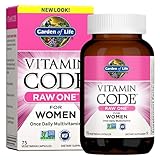
Related: The Best Supplements for Women 40+ + The Best Multi-Vitamins for 50+




W – Water. The Most Simple Self-care Idea
Making sure you are drinking enough water is more of the best (and easiest) things you can do for yourself.
Have a headache? Water. Feel grumpy and just blah? Water. Overweight and need to drop a few lbs? Water. Is your skin dry? Water.
Water is excellent for weight loss, physical health, and mental health!
Water is the first line of defense for every ailment you may have. So drink twice your body weight in ounces daily and see how much better you feel.
I promise.
Hydration Self-Care Ideas:
- Drink 16 oz upon waking
- Add lemon or cucumber
- Set hourly reminders
- Use a marked water bottle
- Herbal teas count
- Eat water-rich foods
Related: The Health and Beauty Benefits of Water
X – eXtra Self-Compassion
Give yourself extra compassion. You’re navigating major life transitions while society pretends women become invisible after 40.
Self-Compassion Practices:
- Talk to yourself like a dear friend
- Acknowledge your struggles
- Remember you’re not alone
- Celebrate small wins
- Forgive quickly (When you can)
- Choose progress over perfection

Y – YOGA! (One of my favorite self-care habits!)
Yoga! I love, love, love me some yoga.
It does my body, heart, mind, and soul a world of good. There are so many different kinds of yoga -there is something for everyone!
You can do it at home (I love this YouTube Channel for yoga at home! Adriene is the best there is !), or you can go to your local gym and yoga studio and try it.
Give it a few sessions before deciding whether Yoga is for you.

Z – Zen Your Space
And here we are at the final stop in the self-care alphabet—Z is for Zen Your Space.
Your surroundings have a powerful effect on your well-being. A cluttered, stressful environment can drain your energy, while a calm and cozy space can uplift your mood and help you recharge.
One of the simplest self-care ideas you can practice is intentionally shaping your home so that it supports your peace of mind.
Take time to look around and ask yourself: Does this space feel welcoming, functional, and aligned with the life I want right now? If the answer is no, it may be time for a refresh.
Here are a few simple ways to zen your space:
- Rearrange furniture – a new layout can shift the entire feel of a room.
- Declutter – release items that no longer serve you and create breathing room.
- Add cozy elements – soft blankets, candles, or warm lighting instantly create comfort.
- Bring nature inside – houseplants or fresh flowers can calm the mind and clean the air.
- Personalize your space – display photos, art, or keepsakes that bring you joy.
- Create a sanctuary corner – a reading chair, meditation nook, or journaling spot just for you.
Zenning your space doesn’t mean redecorating your whole house—it’s about making small, meaningful adjustments that turn your environment into a sanctuary.
When your home feels peaceful and aligned, it becomes easier to relax, recharge, and focus on what truly matters.
Remember: Self-care isn’t only about what you do—it’s also about where you do it. Create spaces that restore your energy and reflect who you are becoming.
Self-Care Articles:
- How to Cultivate Gratitude
- 100 Essentials for Women
- Super Cozy Fall Self-Care Ideas
- Physical Self-Care Tips for Older Women
- (8) Eight Types of Self-Care
- Setting Healthy Boundaries as a Women
- 31 Daily Journaling Prompts
- Hobbies for Mature Women
- The 6 Pillars of Health for Women
- Gratitude Vs Appreciation
- 100 Things to Put in Your Purse!
- Start a Self-Care Routine: 16 Steps
- 10+ Things to do First Thing in the Morning
- Self-care habits for mental health
- Be Kind to Yourself Quotes
FAQs: Self-Care Ideas and Diving Deeper
What simple self-care ideas can I incorporate into my daily routine?
There are plenty of simple self-care ideas that you can weave into your everyday life.
Try starting your day with a few minutes of meditation or deep breathing exercises. Take short breaks throughout the day to stretch and move your body.
Treat yourself to a favorite cup of tea or coffee. Journal your thoughts and feelings before bed.
Remember, self-care can be as simple as finding moments of joy and relaxation in your daily routine.
I’m looking for self-care ideas that don’t require much time or money. Any suggestions?
Absolutely! Self-care doesn’t have to be expensive or time-consuming.
Take a leisurely walk in nature and enjoy the fresh air. Treat yourself to a DIY spa day at home with a bubble bath, face mask, and soothing music.
Engage in a hobby or activity that brings you joy, such as painting, knitting, or gardening. Practice gratitude by writing down three things you’re thankful for each day.
These simple self-care practices can be done without breaking the bank or taking too much time.
I struggle with self-care because I feel guilty taking time. How can I overcome this?
It’s common to feel guilty when prioritizing your needs, but remember that self-care is essential for overall well-being.
Start by reframing your mindset and recognizing that self-care is not selfish—it’s necessary for you to show up as your best self for others.
Start by carving out a few minutes each day for self-care and gradually increase the time as you become more comfortable.
Related: How to Set Boundaries Without Feeling Guilty + How to Stop People Pleasing
I’m unsure which self-care ideas would benefit me the most. How can I figure out what works for me?
Discovering which self-care activities work best for you is a personal journey.
Start by reflecting on the activities that bring you joy, relaxation, and a sense of well-being.
Experiment with different practices, such as yoga, meditation, journaling, reading, or spending time in nature. Notice how each activity makes you feel and what resonates most with you.
Trust your intuition and listen to your body and mind—they will guide you toward the self-care practices that nourish and rejuvenate you.
Can you recommend any self-care ideas specifically for busy individuals?
Absolutely! If you have a busy schedule, prioritizing self-care is even more important.
Look for opportunities to incorporate self-care into your daily routine, even in small ways.
Here are some super quick self-care ideas:
- Listen to a self-Development podcast while cleaning the house
- Download a self-care app that can give you daily self-care reminders and tips
- Write down 3 things you are thankful for before bed
- Listen to uplifting music while putting on your makeup or driving in the car
- Go on a digital detox (even if it’s just at dinner time)
Are there any self-care ideas specifically for reducing stress and anxiety?
Yes, indeed! Managing stress and anxiety is an essential aspect of self-care.
Some self-care ideas that can help reduce stress and anxiety include practicing deep breathing exercises, engaging in regular physical activity or yoga, listening to calming music, journaling your thoughts and feelings, and spending time in nature.
Additionally, ensuring you get enough sleep, eating nutritious meals, and seeking support from loved ones or a therapist can contribute to your overall well-being and help alleviate stress and anxiety.
Related: How to make a Stress Management Plan
I often struggle with consistency when it comes to self-care. How can I make it a regular part of my life?
Consistency is key in self-care, but can be challenging to maintain. Start by setting realistic goals and expectations for yourself.
Rather than trying to overhaul your entire routine overnight, start with small, achievable steps. Schedule self-care activities into your calendar and treat them as non-negotiable appointments with yourself.
Find accountability by partnering with a friend or joining a self-care support group.
Related: My Super Easy Nighttime Self-care Routine
Can you suggest self-care ideas for enhancing my mental and emotional well-being?
Absolutely! Taking care of your mental and emotional well-being is vital.
Engage in meditation or mindfulness exercises to quiet the mind and cultivate inner peace. Journaling can help you process emotions and gain clarity.
Surround yourself with positive influences, whether it’s through uplifting books, podcasts, or supportive relationships. Practice self-compassion and try adding positive affirmations to your morning routine and quiet time to nurture a healthy mindset.
Seeking professional help from a therapist or counselor can also provide valuable support for your mental and emotional well-being.
I often feel guilty about saying “no” and setting boundaries. How can self-care help me address this?
Setting boundaries and saying “no” when needed are key parts of caring for yourself.
Remember, saying “no” isn’t selfish—it’s a healthy way to look after your well-being and keep yourself balanced.
Start by identifying your priorities and values, and let them guide your decision-making process.
Remember that setting boundaries allows you to preserve energy and focus on what truly matters to you.
Practice assertiveness and communicate your needs with kindness and clarity. Over time, you’ll find that setting boundaries becomes easier and more empowering.
Related: No is a complete Sentence: Stop People Please Now
I’m interested in Physical self-care ideas that promote physical well-being. Any suggestions?
Taking care of your physical health is crucial to self-care. Engage in regular exercise that you enjoy, whether it’s going for a walk, dancing, or practicing yoga.
Make sure to nourish your body with nutritious meals and stay hydrated by drinking plenty of water. Get enough restful sleep to recharge your energy.
Treat yourself to relaxing activities like a warm bath, body massage, or stretching sessions. Remember, self-care for your physical well-being goes hand in hand with self-love and respecting your body’s needs.
Are there any self-care ideas specifically for boosting creativity and inspiration?
Absolutely! If you’re looking to ignite your creativity and find inspiration, plenty of self-care activities can help.
Engage in artistic hobbies like painting, writing, or playing a musical instrument. Explore nature and soak in the beauty of your surroundings. Visit art galleries, museums, or cultural events to expose yourself to new ideas.
Related to Self-Care Ideas
- Self-Care Ideas for Women
- How to Develop a Growth Mindset
- How to Make a Gratitude Jar
- My Alphabet Gratitude List
- Self-Care for Mental Health
- Best Books for Finding Your Purpose
- How to Practice Spiritual Self-Care
- Start a Self-care Routine
- Daily Journaling Prompts
- How to Find Your Purpose After 50
- Be Kind to Yourself Quotes for Self-care
- How to Make a Vision Board
- Hobbies for Men over 60
Conclusion: Self-care Alphabet: 26 Practical Self-Care Ideas
As Mel Robbins often says: No one is coming to save you. No one will force you to rest, to play, to care for yourself. This is on you—and that’s actually empowering.
You have 26 options now. Start with one. Today. Not tomorrow, not Monday, not after this busy season ends. Today.
Because you deserve care not despite your age, your responsibilities, or your imperfections—but because of your inherent worth as a human being who has given so much to others.
It’s time to include yourself on your caregiving list.
Until we meet again, stay fabulous, and may your self-care journey be filled with peace, joy, growth, and abundant self-love.
You’ve got this!
XO, Christine

I’ve been keeping it real since 1963. 😊
I’m a child of God, devoted wife, proud mama and grandma, full-time creative, domestic engineer, and passionate self-care enthusiast.
I’m purpose-driven and do my best to live each day with intention—whether shopping for treasures, painting in my art studio, digging in the garden, or cooking up something yummy for my family.
I’m always up for a good chat and love collaborating with fellow creatives and brands.
Let’s connect—don’t be shy!
If you enjoyed this article, you might want to head out to another post I wrote about how to start a morning self-care practice here.