The Best Multivitamins for Women Over 50 for 2026
Looking for the best multivitamins for women over 50? You’ve come to the right place!
If you’re a woman who’s hit the big 5-0 (or beyond!), you’ve probably noticed that your body has different needs than it did in your younger years. And let me tell you—I’ve been there, done that, and learned a ton along the way!
I promise you that I’ve done my due diligence and have so much to share with you about vitamins and supplements for mature women. Because let’s face it—after 50, our bodies need all the support they can get to stay healthy, energized, and thriving!
Here’s the thing: as we age, our nutritional needs shift dramatically. Hormonal changes during menopause and post-menopause, a naturally slower metabolism, reduced nutrient absorption, and increased risk for bone loss all mean that the multivitamin you took in your 30s just won’t cut it anymore.
Finding a high-quality multivitamin specifically formulated for women over 50—one that’s packed with bioavailable nutrients, bone-supporting vitamins, heart-healthy minerals, and immune-boosting compounds—can make a world of difference in how you feel day to day.
Why Listen to Me About Vitamins?
Fair question! Here’s the deal: I’m 62 years old and I’m a total research junkie when it comes to health and wellness. I take an “ungodly amount” of vitamins and supplements—because I’m doing everything possible to stay vital, energized, and healthy as I age.
Everything I share here is based on my personal experience, advice from my physicians and health gurus, and extensive research on the latest and greatest in nutritional science.
I’m not a doctor, but I am a real woman navigating these same challenges and genuinely passionate about sharing what works!
So let’s dive in—I’ve got lots to share!
This post may contain affiliate links. Click to visit policies and disclosures

The Best Multivitamins for Women Over 50+ (My Personal Journey)
Over the years, I’ve learned a thing or two about vitamins and supplements—mostly through trial, error, and a whole lot of research. Time really is our greatest teacher, isn’t it?
In my mid-forties, I was suddenly faced with health issues that forced me to dive deep into all things health-related. That wake-up call changed everything for me.
I started eating gluten-free, switched up my exercise program by adding yoga to the mix, cut as much stress out of my life as possible, and—most importantly—completely overhauled my supplement regimen. I made sure everything I took was high quality, targeted to my needs, and free of junk.
And when I say high quality, I’m talking non-GMO, no additives, no soy, no wheat—NO JUNK! Just clean, effective nutritional supplements that actually work.
Related article: The best supplements for women over 50+
When We Know Better, We Do Better
Here’s the truth: what worked in our 20s, 30s, and even into our 40s just won’t cut the mustard once you hit 50 and beyond. Our bodies change dramatically, and so do our nutritional requirements.
The decline in estrogen levels after menopause affects everything from bone density to heart health.
Our ability to absorb certain nutrients (hello, vitamin B12!) decreases with age. And our risk for nutrient deficiencies skyrockets if we’re not intentional about what we’re putting into our bodies.
Thank goodness there are better, higher-quality supplements available to us these days! The supplement industry has come such a long way.
Remember Flintstones Vitamins?
Anyone else remember those adorable Flintstones vitamins? I absolutely loved those as a kid! I think we all took them back in the day, right?
I loved them so much that I even gave them to my kids…until I realized there were far better options available. But hey, when we know better, we do better. (Thanks, Maya Angelou!)
Prenatal Vitamins (My 20s and 30s)
In my late teens and early twenties, I only remember taking vitamins when staying with my Grandmother. She was a huge believer in supplements and was way ahead of her time!
It wasn’t until I was pregnant with my first kiddo at age 21 that I got serious about taking vitamins daily. Motherhood was a total game-changer for me—suddenly, I realized the importance of proper nutrition, quality sleep, and being mindful of what I put in my mouth. How about you? Did motherhood shift your perspective on health?
Based on my doctor’s recommendation, I continued taking prenatal vitamins through my mid-thirties, then switched to what I thought was a solid option: women’s one-a-day multivitamins.
Women’s One-A-Day Multivitamin (My 40s)
First, let me be 100% clear: I don’t think there’s anything inherently wrong with women’s one-a-day vitamins. They’re certainly better than nothing! But I know now that there are much, MUCH better choices available—especially for women over 50 with specific nutritional needs.
I took women’s one-a-day vitamins for at least five years until I discovered I had multiple food allergies and a sensitivity to wheat. When I actually read the label (imagine that!), I realized the formula I was taking contained soy, wheat, and tons of additives I couldn’t even pronounce.
A chiropractor, of all people, urged me to look into non-GMO, gluten-free, additive-free vitamin options. She also educated me about the importance of a good probiotic supplement, which—confession time—I knew almost nothing about.
Here’s a true confession: I used to think eating yogurt was enough to cover my probiotic needs. Turns out, I was completely mistaken!
We’ve Come a Long Way, Baby!
Thankfully, the supplement industry has evolved tremendously since the 90s! Not to mention that health information is so much more readily available thanks to the internet. (Don’t you just love technology?!)
There are more high-quality options available to us than ever before, and we now understand so much more about bioavailable nutrients, proper dosing, and which forms of vitamins and minerals our bodies actually absorb best.
Now that I’ve rambled way too long about my personal vitamin journey, let’s dive into the nitty-gritty of what really matters: the essential vitamins and minerals that are absolutely crucial for women over 50.
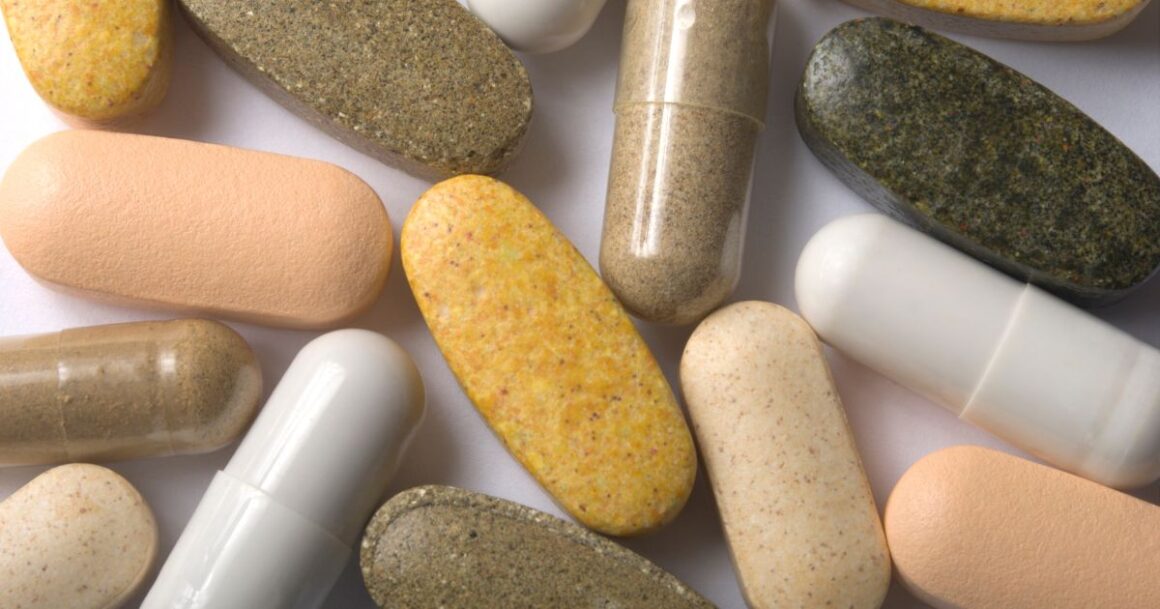
Essential Vitamins and Minerals for Women Over 50
For women over 50, maintaining optimal health and well-being is paramount. As we age, our bodies undergo significant changes that directly affect our nutritional requirements and how we absorb nutrients.
According to the National Institute on Aging, people over 50 may need more of certain vitamins and minerals than younger adults to maintain bone health, support cognitive function, boost immune health, and protect heart health.
Here are the most essential nutrients for women over 50 and why they absolutely matter:
Calcium for Bone Health
Calcium is absolutely necessary for maintaining strong, healthy bones. Women over 50 are at a significantly increased risk of osteoporosis—in fact, about half of all women over 50 will break a bone due to this condition. Adequate calcium intake can help reduce this risk dramatically. Calcium also plays crucial roles in muscle function, nerve transmission, and blood clotting.
How much you need: Women over 50 need 1,200 mg of calcium per day (compared to 1,000 mg for younger women).
Why it’s harder to get as we age: As estrogen levels decline during menopause and post-menopause, bone loss accelerates. Our bodies also become less efficient at absorbing calcium from food.
Best food sources: Dairy products (milk, yogurt, cheese), leafy greens (kale, spinach, collard greens), canned fish with soft bones (sardines, salmon), tofu, and calcium-fortified foods.
Important note: While calcium supplements can help fill nutritional gaps, recent research suggests that getting calcium from food sources is always preferred, as dietary calcium is easier for your body to absorb and comes with other bone-healthy nutrients like protein and magnesium.
Vitamin D for Calcium Absorption and Immune Support
Vitamin D is absolutely vital for calcium absorption and bone health. Without adequate vitamin D, your body can’t properly use the calcium you consume. It also plays a critical role in immune function, mood regulation, and cardiovascular health. As we age, our skin becomes significantly less efficient at producing vitamin D from sunlight exposure.
How much you need: Women over 50 need 800-1,000 IU (International Units) of vitamin D daily. Women over 70 need at least 800 IU daily, though many healthcare providers recommend 1,000 IU or more for optimal bone health.
Why it’s harder to get as we age: Our bodies produce less vitamin D from sun exposure as we get older, and many older adults spend less time outdoors. Additionally, the kidneys become less efficient at converting vitamin D to its active form.
Best food sources: Fatty fish (salmon, mackerel, sardines, tuna), egg yolks, vitamin D-fortified milk, orange juice, cereals, and mushrooms.
Important note: Most people need a vitamin D supplement to reach optimal levels, as it’s very difficult to get enough from food and sunlight alone.
Vitamin B12 for Energy and Brain Health
Vitamin B12 is essential for maintaining healthy nerve cells, producing red blood cells, supporting brain function, and converting food into energy. It’s crucial for preventing cognitive decline, memory problems, and that dreaded brain fog many women experience after menopause.
How much you need: 2.4 mcg (micrograms) daily for all adults, regardless of age. However, absorption becomes much more difficult after 50.
Why it’s harder to get as we age: Up to 30% of people over 50 have atrophic gastritis, a condition that makes it much harder for your body to absorb vitamin B12 from food. Acid-reducing medications (like those for reflux) can also interfere with B12 absorption.
Best food sources: Meat, fish, poultry, eggs, milk, and fortified breakfast cereals.
Important note: Many women over 50 need to take B12 supplements or eat foods fortified with B12 because natural absorption from food decreases significantly. Look for methylated B12 (methylcobalamin) in supplements for better absorption.
Folate (Vitamin B9) for Heart Health and Cell Function
Folate supports healthy cell growth and function, helps produce red blood cells, and may help reduce the risk of certain cancers (including cervical and colon cancers). It also plays a role in reducing homocysteine levels, which is important for cardiovascular health.
How much you need: 400 mcg daily
Important note: Look for methylated folate (5-MTHF) in multivitamins rather than synthetic folic acid, as it’s more bioavailable—especially for women with MTHFR gene variations that affect folate absorption.
Vitamin K for Bone Strength
Vitamin K is necessary for proper bone mineralization and helps direct calcium to your bones (rather than your arteries). Research shows it may have protective effects against age-related conditions like osteoarthritis and cardiovascular disease.
Best food sources: Leafy greens (kale, spinach, collards), broccoli, Brussels sprouts, and fermented foods.
Important note: If you take blood-thinning medications, talk to your doctor before supplementing with vitamin K, as it can interact with these medications.
Vitamin C for Immune Support and Skin Health
Vitamin C is a powerful antioxidant that supports immune system function and helps your body absorb iron from plant-based sources. It’s also crucial for collagen production, which benefits skin elasticity, wound healing, and overall skin health. Research suggests it may enhance both calcium absorption and vitamin D’s effects on bone metabolism.
How much you need: 75 mg daily for women
Best food sources: Citrus fruits, bell peppers, strawberries, tomatoes, broccoli, and potatoes.
Vitamin E for Antioxidant Protection
Vitamin E is an antioxidant that helps protect cells from oxidative damage caused by free radicals. Research shows that women over 65 taking vitamin E had a 26% decrease in nonfatal heart attacks and a 49% decrease in cardiovascular death rates. It may also help maintain healthy skin, eyes, and cognitive function.
Best food sources: Wheat germ, nuts (almonds, hazelnuts), seeds, and vegetable oils (sunflower, safflower).
Magnesium for Multiple Body Functions
Magnesium is involved in over 300 biochemical reactions in your body! It’s essential for muscle and nerve function, bone health, blood sugar control, blood pressure regulation, and energy production. Growing older is associated with changes in magnesium metabolism, and deficiencies are linked to sleep disorders, muscle problems, and bone fragility.
How much you need: 320 mg daily for women over 50
Best food sources: Leafy greens, nuts, seeds, whole grains, beans, and dark chocolate.
Important note: Magnesium supplementation (in forms like magnesium citrate, carbonate, or oxide) may help protect bone density and reduce fracture risk.
Iron (But Not Too Much!)
Iron is essential for transporting oxygen in your blood and preventing anemia. However—and this is crucial—postmenopausal women generally need LESS iron than younger women.
Here’s the deal: While women in their reproductive years often need extra iron due to menstrual blood loss, this changes dramatically after menopause. Many multivitamins contain iron, but excess iron can potentially contribute to oxidative stress, increased heart disease risk, and metabolic imbalances.
The bottom line: Unless specifically recommended by your doctor (for example, if you have iron-deficiency anemia), it’s best to look for an iron-free multivitamin if you’re over 50. Most women can get adequate iron from their diet alone.
Omega-3 Fatty Acids for Heart and Brain Health
These healthy fats (EPA and DHA) are essential for cardiovascular health, brain function, and reducing inflammation. Research shows that omega-3 consumption may help reduce cognitive decline and improve heart health as we age.
Best food sources: Fatty fish (salmon, mackerel, sardines), walnuts, flaxseeds, and chia seeds.
Important note: Many quality multivitamins for women over 50 include omega-3 DHA (often from algae for vegan options).
Antioxidants for Cellular Protection
Antioxidants like selenium, zinc, and others help protect cells from damage caused by free radicals, potentially reducing the risk of chronic diseases associated with aging.
- Selenium: Found in seafood, meat, and Brazil nuts
- Zinc: Supports new bone growth and immune function (8 mg daily for women)
Coenzyme Q10 (CoQ10) for Energy and Heart Health
CoQ10 is essential for energy production in cells and has powerful antioxidant properties. It may support heart health, cellular energy, and overall vitality—especially important as natural CoQ10 production decreases with age.
Probiotics for Digestive Health
While not technically a vitamin or mineral, probiotics support gut health, digestion, immune function, and nutrient absorption—all of which become more critical as we age.
Why Women Over 50 Need Specialized Multivitamins
You might be wondering: “Can’t I just take a regular women’s multivitamin?” While you certainly could, here’s why a multivitamin specifically formulated for women over 50 is a much smarter choice:
Hormonal Changes After Menopause
The decline in estrogen levels during and after menopause affects nearly every system in your body. Estrogen is like the mortar that holds your bones together, while calcium and vitamin D are the bricks.
Without adequate estrogen, your bones lose density rapidly—up to 20% in the first five to seven years after menopause!
A quality multivitamin for women 50+ addresses these hormonal shifts with targeted nutrient combinations.
Reduced Nutrient Absorption
As we age, our digestive system becomes less efficient at absorbing nutrients from food. That’s why bioavailable forms of vitamins and minerals (like methylated B12 and chelated minerals) are so important in supplements for older women.
Iron-Free Formulations
Most multivitamins designed for women over 50 are iron-free or low-iron because postmenopausal women no longer lose iron through menstruation.
Excess iron can actually be harmful, so unless your doctor recommends iron supplementation explicitly, you’re better off with an iron-free formula.
Higher Doses of Key Nutrients
Multivitamins for women 50+ typically contain higher amounts of:
- Vitamin D (for bone health and calcium absorption)
- Vitamin B12 (since absorption decreases with age)
- Calcium (for bone density)
- Vitamin K (for bone mineralization)
- B vitamins (for energy metabolism and cognitive function)
Additional Beneficial Ingredients
Many quality multivitamins for mature women include:
- Lutein: A carotenoid antioxidant that supports brain function and eye health, with research showing higher lutein levels correlate with better cognition
- Boron: Helps with calcium and magnesium metabolism
- Choline: Supports brain health and cognitive function

The Best Multivitamin for Women Over 50+
Vitamin Code 50 & Wiser Women’s Multivitamin
This is the multivitamin that I currently take! LOVE IT!
Vitamin Code, 50 and wiser women’s multivitamin, includes whole food vitamins, minerals, a fruit and veggie blend, and live probiotics and enzymes for extraordinary health and vitality.
Supports breast and thyroid health, bone strength, and healthy heart & blood pressure with a synergistic blend of vitamins and minerals, such as vitamins A, C, D, E, and K1, plus B vitamins, Folate, Biotin, and Zinc
Specifically formulated to meet the unique needs of women over 50.
Non-GMO and NSF Certified Gluten-Free


The Best Vegan Multivitamin for Women
Mykind Organics Women’s Once Daily Multivitamin 40+
Garden of Life’s Mykind Organics Women’s multivitamin is a wonderful vegan multivitamin for women.
Specially formulated one-a-day women’s multivitamin that promotes energy, metabolism, blood, and heart health, plus radiant skin and nails, with nutrients from whole foods.
Vegan women’s multivitamin with 15 vitamins and minerals at 100% of the Daily Value (DV) or higher, including Folate, Biotin, Vitamins A, C, D3, K, B6, and B12 for energy and metabolism, with 2.5 mg of Iron.
CERTIFIED ORGANIC MULTIVITAMIN.


New Chapter Multivitamin for Women 50 Plus +
Multivitamin for Women 50 plus: This once-daily tablet is packed with vitamins, minerals, and superfood botanical blends to maintain your daily wellness and vitality!
IMMUNE SUPPORT: With clinical-strength Astaxanthin, Vitamin C, and immune-boosting beta-glucans from fermentation
Nourishes women 50 and over with immune, heart, energy, eye, bone, brain, hormone, and digestion support.
EASILY DIGESTIBLE: Women’s multivitamin is fermented with probiotics and whole foods–gentle enough to take any time, even on an empty stomach


Rainbow Light Active Adult 50+
This once-daily complete multivitamin contains essential vitamins and minerals to support strong, healthy, and maturing bodies.
- Once-daily complete multivitamins for active adults.
- Vitamin B complex boosts energy + helps with stress.
- Made with probiotics + enzymes for easy digestion.
- Free of gluten, sugar, lactose, dairy, wheat, and artificial additives.
Rainbow light has a complete line of supplements specially formulated for healthy aging.


Additional Considerations When Choosing Your Multivitamin
Third-Party Testing and Certifications
Look for multivitamins that have been third-party tested by organizations like:
- USP (U.S. Pharmacopeia): Ensures safe manufacturing practices and label accuracy
- NSF Certified: Verifies product quality and safety
- Non-GMO Project Verified: Confirms no genetically modified ingredients
- USDA Organic: Indicates organic ingredients
Bioavailable Forms of Nutrients
The form of vitamins and minerals matters! Look for:
- Methylated B12 (methylcobalamin) instead of cyanocobalamin
- Methylated folate (5-MTHF) instead of synthetic folic acid
- Chelated minerals for better absorption
- Vitamin D3 (cholecalciferol) rather than D2
Dosage and Serving Size
Some multivitamins require taking multiple capsules or tablets per day to get the full dose. Consider:
- Whether you prefer taking one pill or multiple pills
- When you need to take them (with food, on empty stomach, etc.)
- Whether you can swallow larger pills comfortably
Budget-Friendly vs. Premium Options
Quality multivitamins are available at various price points. While premium brands often offer additional benefits (organic ingredients, higher-quality forms of nutrients, added botanicals), there are excellent budget-friendly options that still provide comprehensive nutritional support.
The bottom line: The best multivitamin is one that you’ll actually take consistently!

FAQs: Multivitamins for Women Over 50
What are the key nutrients that women over 50 need in a multivitamin?
Women over 50 should look for multivitamins that provide essential nutrients such as calcium, vitamin D, vitamin B12, and iron, as these are often deficient in this age group.
Do I need a special multivitamin as I age past 50?
Yes, aging affects nutrient absorption and metabolism. Specialized multivitamins for women over 50 are formulated to address these changes and cater to their specific needs.
Can a multivitamin help with bone health in women over 50?
Yes, multivitamins with calcium and vitamin D can support bone health and reduce the risk of osteoporosis, which is more common in older women.
Is it necessary to take a separate calcium supplement if my multivitamin contains some calcium?
It depends on your dietary calcium intake. You may need an additional calcium supplement if you don’t get enough through your diet and the multivitamin.
Are there specific multivitamins for women over 50 with iron deficiency anemia?
Yes, there are multivitamins tailored for women with iron deficiency anemia. These provide higher iron levels to address the specific needs of these individuals.
Can a multivitamin help with cognitive health and memory as I age?
Multivitamins containing antioxidants, B-vitamins, and omega-3 fatty acids can support cognitive health and potentially help with memory and mental clarity.
Are there any side effects associated with taking multivitamins for women over 50?
In general, multivitamins are safe when taken as directed. However, excessive intake of certain vitamins or minerals can lead to side effects, so it’s important not to exceed recommended dosages.
Should I consult a healthcare professional before starting a new multivitamin regimen?
It’s advisable to consult a healthcare provider, especially if you have underlying health conditions or are taking medications, as they can provide personalized guidance on the best multivitamin for you.
Can multivitamins help with menopausal symptoms like hot flashes and mood swings?
Some multivitamins for women over 50 contain phytoestrogens, which may help alleviate menopausal symptoms, but the effectiveness varies from person to person.
Remember that individual needs may vary, so it’s always a good idea to consult with a healthcare professional before starting any new supplement regimen, including multivitamins.
Self-Care + Wellness Articles
- How to Start a Self-care Routine
- The 6 Pillars of Health for Women
- Physical Self-Care for Women
- The Absolute Best Anti-aging Treatments
- How to Reinvent Yourself at 50+
- Best Supplements for Women 50+
- Learn How to Make New Friends in Your 50s
- How to Look + Feel Sexy Over 60
- Self-care for Mental Health
- Finding Purpose After Empty Nest
- Setting Healthy Boundaries for Women
- Life Essentials for Women
- How to Reinvent Yourself at 50+
Conclusion: The Best Multivitamin for Women Over 50+
I know from experience that finding the right multivitamin when you’re over 50 can feel overwhelming, given the many options on the market.
After years of research and personal experience, I’ve learned that a high-quality multivitamin specifically formulated for women over 50 can make a tremendous difference in how you feel—from your energy levels and bone health to your immune function and cognitive clarity!
Remember: every woman’s body is different. Consider your individual health concerns, dietary restrictions, and budget when choosing the right multivitamin.
Taking care of your health is one of the most loving things you can do for yourself. You deserve to feel vibrant, energized, and healthy—at 50, 60, 70, and beyond!
And, your future self will thank you!
XO, Christine

I’ve been keeping it real since 1963. 😊
I’m a child of God, devoted wife, proud mama and grandma, full-time creative, domestic engineer, and passionate self-care enthusiast.
I’m purpose-driven and do my best to live each day with intention—whether shopping for treasures, painting in my art studio, digging in the garden, or cooking up something yummy for my family.
I’m always up for a good chat and love collaborating with fellow creatives and brands.
Let’s connect—don’t be shy!
Disclaimer: The information provided on this blog is for educational and informational purposes only and is based on my own health experience as a woman over 50 along with extensive research. This content is not intended as medical advice and should not be used to diagnose, treat, cure, or prevent any health condition.
Individual nutritional needs vary, and what works for one person may not be appropriate for another. While I share my personal experiences and research findings, these should not replace professional medical guidance.
Always consult with a qualified healthcare professional, such as your doctor or a registered dietitian, before starting any new supplement regimen, especially if you have existing health conditions, take medications, or are pregnant or nursing.
The statements on this blog have not been evaluated by the Food and Drug Administration. Results may vary, and I am not responsible for any adverse reactions or consequences resulting from the use of information provided here.