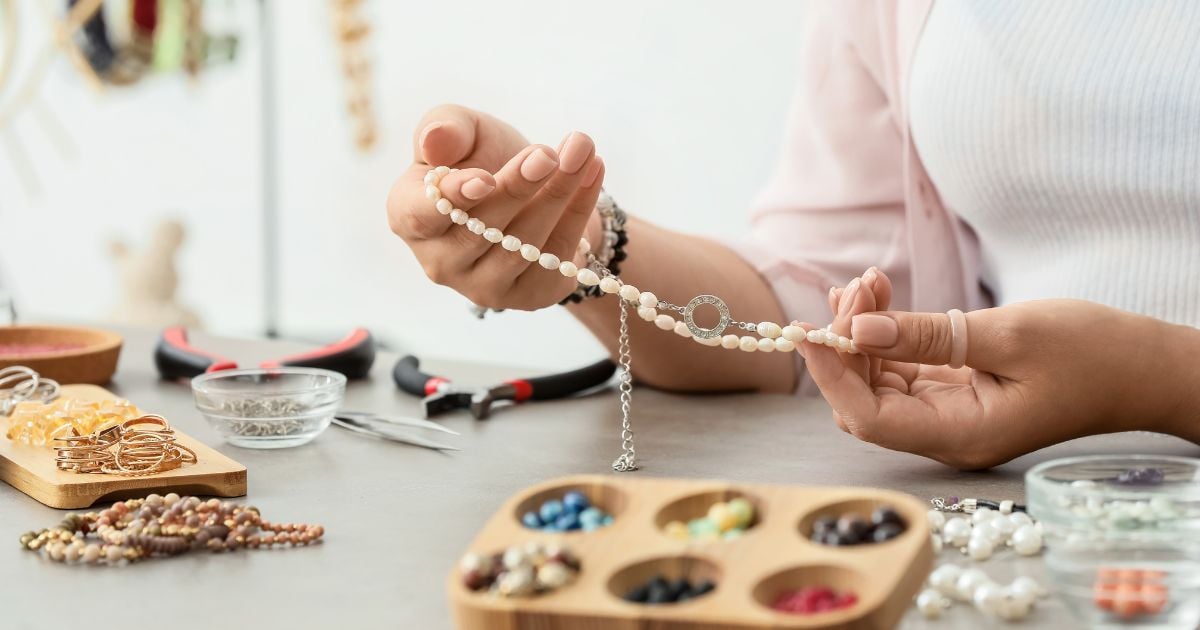
Essential Physical Self-Care Tips: Thrive in Midlife 40+
Let’s be honest about something: when you hear “physical self-care,” your mind probably goes straight to that unused gym membership or the yoga mat gathering dust in your closet.
Maybe you picture those Instagram-perfect morning routines that start at 5 AM with a green smoothie and end with an hour of meditation. Yeah, me neither.
Here’s what physical self-care really looks like for women navigating midlife: it’s finding sustainable ways to honor your body that actually work with your real life—not against it.
It’s understanding that your body’s needs at 40, 50, or beyond are beautifully different from what they were at 25. And most importantly, it’s recognizing that caring for your physical health isn’t selfish—it’s essential.
As we navigate perimenopause, menopause, and the changing metabolism, along with the cumulative effects of decades of prioritizing others, physical wellness becomes less about perfection and more about self-compassion.
This guide offers practical, achievable ways to nurture your body that don’t require a complete life overhaul or a trust fund.
This post may contain affiliate links. Click to visit policies and disclosures
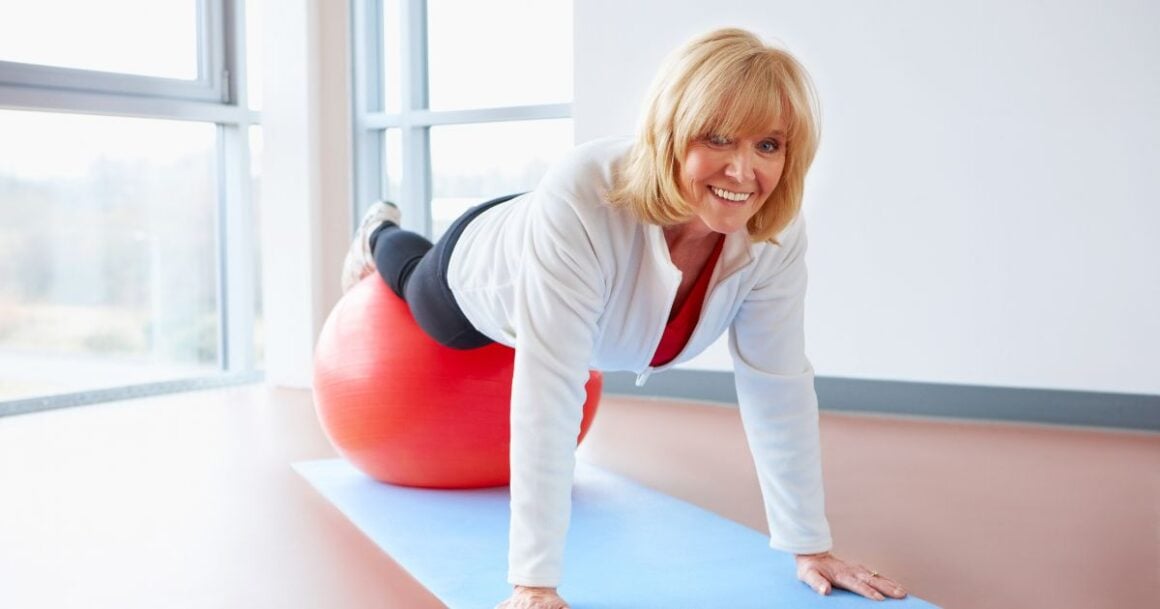
Physical Self-Care For Older Women Matters More Than Ever
Your body has carried you through decades of life—careers, relationships, possibly pregnancies, celebrations, and challenges.
Now it’s asking for something in return: intentional physical self-care that acknowledges both its strength and its evolving needs.
Research shows that women who prioritize physical self-care during midlife experience:
- Better hormonal balance and easier menopause transitions
- Increased bone density and muscle mass preservation
- Improved cardiovascular health and metabolic function
- Enhanced mood stability and cognitive function
- Greater energy levels and better sleep quality
- Reduced inflammation and chronic disease risk
- Stronger immune system function
But here’s the real truth: physical self-care isn’t just about preventing problems—it’s about thriving in the body you have today while preparing it for decades of vitality ahead.
Physical Self-Care: Movement and Exercise
Forget “no pain, no gain.” At this stage of life, exercise and movement should energize you, not deplete you. Your body’s recovery needs have changed, and that’s not weakness—it’s wisdom.
Gentle Yet Effective Movement Options
Low-Impact Cardio That Protects Your Joints:
- Walking (yes, it absolutely counts!)
- Swimming or water aerobics
- Cycling or stationary biking
- Elliptical training
- Dancing in your living room
- Tai chi or qigong
- Rowing
Strength Training for Bone Health:
- Bodyweight exercises (modified as needed)
- Resistance band workouts
- Light weight training (start with soup cans if needed)
- Pilates
- Functional fitness movements
- Yoga with strength elements
Flexibility and Balance Work:
- Gentle stretching routines
- Yin or restorative yoga
- Balance exercises (crucial for fall prevention)
- Foam rolling for muscle recovery
- Morning mobility sequences
Making Movement Sustainable
Start Where You Are: If you haven’t exercised in years, begin with 5-minute walks. Seriously. Consistency beats intensity every single time.
Honor Your Energy Cycles: Notice when you have the most energy. Morning person? Evening mover? Schedule movement when your body naturally wants to move.
Find Your Why: Maybe it’s keeping up with grandkids, managing menopause symptoms, or simply feeling strong. Connect movement to what matters to you.
Discover more about creating sustainable habits in my My Morning Self-Care Routine
Physical Self-Care and Nutrition for Older Women
During midlife, focusing on good nutrition is all about providing your body with the right kind of nourishment.
It’s a gentle shift towards supporting your changing hormones, metabolism, and energy levels, helping you feel your best every day.
Midlife Nutrition Priorities
Protein for Muscle Maintenance:
- Aim for protein at every meal
- Include plant-based options
- Consider collagen supplementation
- Don’t skip post-workout protein
Calcium and Vitamin D for Bone Health:
- Dairy or fortified alternatives
- Leafy greens and cruciferous vegetables
- Safe sun exposure
- Consider supplementation with medical guidance
Omega-3s for Inflammation:
- Fatty fish twice weekly
- Walnuts and ground flaxseed
- Chia seeds in smoothies
- Quality supplements if needed
Fiber for Hormonal Balance:
- Aim for 25-30 grams daily
- Include both soluble and insoluble fiber
- Gradually increase to avoid digestive upset
- Helps with blood sugar stability
Practical Nutrition Tips That Actually Work
Meal Prep Without the Marathon: Dedicate 30 minutes on Sunday to chop vegetables, cook a grain, and prep a protein. That’s it. Don’t overwhelm yourself with elaborate meal prep.
The “Add, Don’t Subtract” Approach: Instead of cutting foods out, focus on adding nutritious options. Add berries to breakfast, an extra vegetable at lunch, a handful of nuts for a snack.
Mindful Eating in Real Life: You don’t need a silent, candlelit meal. Simply putting your phone down and actually tasting your food counts as mindful eating.

Physical Self-Care and Hydration
Proper hydration is often overlooked when it comes to taking care of ourselves physically. In midlife, making sure you stay well-hydrated can really support your health in many positive ways.
- Hot flash management
- Joint lubrication
- Skin elasticity
- Energy levels
- Brain fog reduction
- Digestive health
Making Hydration Happen
The Morning Flush: Start each day with a full glass of water before coffee. Your body has been fasting all night and needs hydration.
Ways to make it easier to drink water:
- Infuse water with cucumber, lemon, or berries
- Try herbal teas (they count!)
- Invest in a water bottle you actually like
- Set hourly reminders or use an app!
- Try sparkling water for variety

Sleep and Rest: The Ultimate Physical Self-Care
Quality sleep and recovery become non-negotiable for physical self-care in midlife. Your body repairs itself while you sleep, including hormone regulation, muscle recovery, and brain detoxification.
Creating Better Sleep Hygiene
The Wind-Down Routine:
- Start dimming lights an hour before bed
- Put devices away (or at least wear blue light blocking glasses)
- Try magnesium supplements or tea
- Take a hot shower or nice relaxing bath (and don’t forget the Epsom salts!)
- Keep your bedroom cool (especially important for hot flashes, I keep mine at 69 degrees!)
- Invest in comfortable, good quality pillows, bedding, and a body pillow
- Wear a light-blocking nighttime mask
Dealing with Midlife Sleep Challenges:
- Night sweats: moisture-wicking pajamas and bedding
- Restless legs: check magnesium and iron levels
- Racing mind: keep a notepad by your bed for brain dumps
- Sleep disruptions: consider separate blankets or even beds if needed
- Try a sound machine to introduce healthy noise for sleep
The Power of Rest Beyond Sleep:
- 10-minute power naps (set a timer)
- Restorative yoga sessions
- Meditation or breathing exercises
- Simply lying down with legs up the wall
- Scheduling “do nothing” time
You can learn more about creating restful rituals in my Evening Self-Care Routine Guide.

Preventive Healthcare and Physical Self-Care
Taking charge of your medical self-care means being proactive rather than reactive about your health needs.
Essential Health Screenings for Midlife
Annual Preventive Checks:
- Comprehensive metabolic panel
- Thyroid function tests
- Vitamin D and B12 levels
- Hormone panels if experiencing symptoms
- Blood pressure monitoring
- Cholesterol screening
Regular Screenings for Midlife Women:
- Mammograms (frequency based on risk factors)
- Bone density scans
- Skin checks
- Eye exams
- Dental cleanings
Making Healthcare Work for You
Find Practitioners Who Listen: If your concerns are dismissed as “just aging,” find someone else. You deserve to be heard.
Keep a Health Journal: Track symptoms, energy levels, and concerns. Data helps advocacy.
Ask Questions: Write them down before appointments. It’s your time and your body.
The Link Between Physical Self-Care and Stress Management
Stress doesn’t just affect your mental health—it lives in your body. Chronic stress triggers inflammation, disrupts hormone balance, and accelerates the aging process.
Body-Based Stress Relief Techniques for Physical Self-Care:
Breathwork for Instant Calm:
- 4-7-8 breathing for anxiety
- Box breathing for focus
- Belly breathing for relaxation
- Alternate nostril breathing for balance
Progressive Muscle Relaxation:
- Start with toes, work upward
- Tense and release each muscle group
- Notice the contrast
- Make it part of your nighttime self-care routine!
Movement for Emotional Release:
- Shake it out (literally)
- Dance to one favorite song
- Gentle stretching
- Walking meditation

Hormone Support and Physical Self-care
Understanding hormonal health during perimenopause and menopause empowers you to support your body through transitions.
Natural Hormone Support Strategies
Lifestyle Factors:
- Regular exercise (but not excessive)
- Stress management
- Quality sleep
- Stable blood sugar
- Healthy weight maintenance
Supportive Practices:
- Seed cycling for hormone balance
- Adaptogens for stress response
- Phytoestrogen-rich foods
- Mind-body practices like yoga
- Acupuncture or Traditional Chinese Medicine
When to Seek Help:
- Severe hot flashes affecting daily life
- Mood changes impacting relationships
- Sleep disruption beyond occasional
- Unexplained weight changes
- Loss of libido affecting quality of life
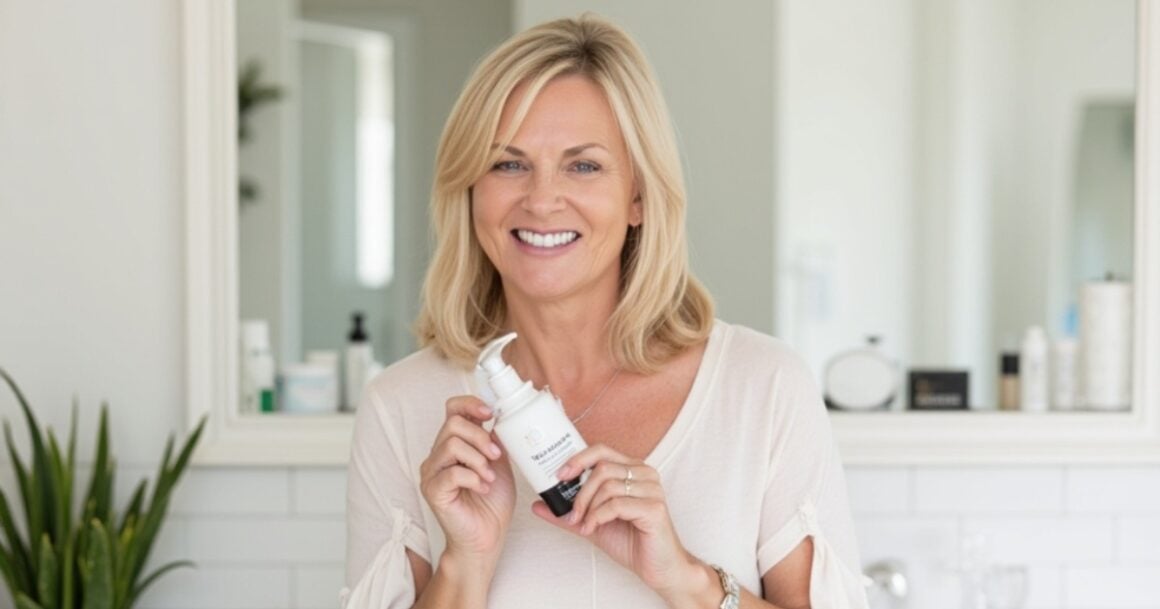
Physical Self-Care: Skin Care and Beauty
Your skin—your body’s largest organ—deserves intentional skincare and body care that goes beyond anti-aging products.
Midlife Skin Essentials
The Basics That Matter:
- SPF daily (yes, even in winter)
- Gentle cleansing and exfoliating
- Hydration inside and out
- Retinoids or Retin-A for cell turnover (start slowly)
- Vitamin C for brightness
- Use Estradiol Face Cream!
Body Care as Self-Care:
- Dry brushing for circulation
- Moisturizing as a mindful ritual
- Epsom salt baths for muscle recovery
- Self-massage with nourishing oils
- Regular skin checks for changes
Related Articles
FAQs About Physical Self-Care in Midlife
What is the best type of exercise for women over 50?
The “best” exercise is truly a combination of activities you enjoy and will stick with! A well-rounded sustainable fitness routine should include three key components:
- Strength Training: Activities like weight lifting, Pilates, or using resistance bands are crucial for maintaining muscle mass and bone density, which naturally decline with age.
- Cardiovascular Exercise: Gentle exercises like brisk walking, swimming, or cycling are excellent for heart health and boosting your metabolism.
- Flexibility and Balance: Practices like yoga, tai chi, and daily stretching are vital for improving mobility, preventing falls, and easing joint stiffness.
How can I manage joint pain and stiffness with physical self-care?
This is a very common concern, and a gentle approach is key. Start with low-impact exercises like swimming or water aerobics, which support your joints while building strength. Regular stretching and yoga can significantly improve flexibility and reduce stiffness.
You can also try adding anti-inflammatory foods into your diet—such as turmeric, ginger, berries, and leafy greens. Always be sure to consult a healthcare provider for persistent pain.
Is it too late to start a physical self-care routine in midlife?
Absolutely not! It is never too late to improve your physical health. The human body is remarkably resilient. The key is to start slowly to prevent injury and build momentum.
Begin with short walks, simple stretches, or beginner-level classes.
How does nutrition play a role in physical self-care for aging gracefully?
Nutrition is the foundation of healthy aging. Focus on a nutrient-dense diet rich in calcium and Vitamin D for bone health, lean protein to support muscle maintenance, and plenty of fiber from fruits, vegetables, and whole grains for digestive health.
Staying well-hydrated is also crucial for energy levels, skin health, and overall bodily function.
The Bottom Line: Physical Self-Care in Midlife
Physical self-care in midlife isn’t about turning back the clock or chasing an outdated ideal of youth. It’s about honoring the incredible body that has carried you this far and lovingly preparing it to carry you forward with strength, grace, and abundant energy.
It’s about tuning into what your body needs now, whether that’s building bone density, improving your balance, or finding a sustainable fitness routine you genuinely enjoy.
Every small, intentional choice—every glass of water, every gentle stretch, every nutrient-rich meal, every restorative night’s sleep—is a deposit in your wellness bank account.
These deposits compound over time, creating the resilience and vitality you need to not just navigate life, but to embrace it fully. You’re investing in a future with fewer aches, more mobility, and the stamina to pursue your passions.
Start where you are. Use what you have. Listen to your body, nourish it with kindness, and celebrate its strength every single day.
XO, Christine

I’ve been keeping it real since 1963. 😊
I’m a child of God, devoted wife, proud mama and grandma, full-time creative, domestic engineer, and passionate self-care enthusiast.
I’m purpose-driven and do my best to live each day with intention—whether shopping for treasures, painting in my art studio, digging in the garden, or cooking up something yummy for my family.
I’m always up for a good chat and love collaborating with fellow creatives and brands.
Let’s connect—don’t be shy!