The Benefits of Blue Light Glasses: Top Picks for 2026
If you clicked in, you’re probably curious (like I was) about the effects of blue light and the benefits of blue light glasses, along with my personal favorite blue-light-blocking glasses that I wear for reading, computer time, and everything in between.
Here’s something that might surprise you: the average person now spends 7 hours and 4 minutes a day staring at screens—whether it’s a laptop, smartphone, tablet, or television. And if you’re like me, some days it feels like even more!
While blue light isn’t inherently bad for you (our bodies actually need some of it!), too much exposure—especially from our digital devices—can lead to unwelcome side effects like digital eye strain, eye fatigue, and sleep disruption.
If you’re looking for a way to reduce your exposure to artificial blue light and protect your eye health, investing in a pair of blue-light-blocking glasses might be the answer you’ve been searching for.
This post may contain affiliate links. Click to visit policies and disclosures

What is Blue Light?
What is Blue Light? Understanding Blue Wavelengths
Blue light is a type of electromagnetic radiation produced by many familiar light sources we use every single day—including household LED bulbs, fluorescent lighting, and all our beloved digital screens like TVs, computers, tablets, and smartphones.
Here’s what makes blue light unique: it has a shorter wavelength than other colors in the visible light spectrum and emits more energy per photon. This high energy level can affect our bodies in both positive and negative ways.
On one hand, natural blue light from the sun plays a vital role in regulating our circadian rhythm (our body’s internal sleep-wake cycle), boosting our mood, and keeping us alert during the day.
On the other hand, excessive exposure to artificial blue light—especially during evening hours—can disrupt our sleep patterns, contribute to digital eye strain, and potentially impact our long-term eye health.
The thing is, blue light from screen time has become a growing concern in recent years, particularly because we’re spending more time than ever in front of digital devices.
Research from 2024 and 2025 continues to shed light on the impacts of prolonged blue light exposure, and the findings are pretty eye-opening (pun intended!).
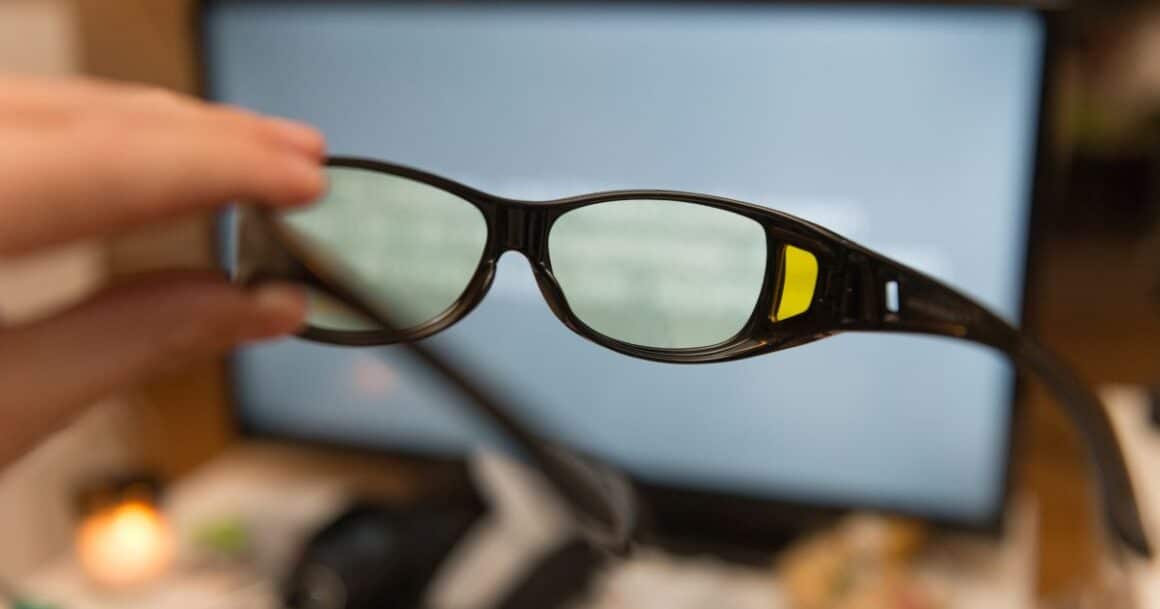
The Positive Effects of Blue Light
Before we dive into the concerns, let’s talk about the good stuff! Blue light exposure does come with some real benefits, especially when we get it at the right times of day.
During daylight hours, blue light is actually your friend. It helps:
- Boost alertness and cognitive performance – Blue light has been shown to improve task performance, reaction times, and daytime alertness, making it easier to focus and stay productive.
- Enhance your mood and overall well-being – Exposure to blue wavelengths during the day can lift your spirits and improve your sense of well-being
- Regulate your sleep-wake cycle – Natural blue light exposure early in the day helps reset your body’s internal clock (circadian rhythm), making it easier to fall asleep at night
- Support vision and brain function – Blue light plays a role in visual processing and cognitive functions when received at appropriate times
So remember, not all blue light is bad! The key is getting the right amount at the right time of day. This is why you don’t need to wear your blue-light-blocking glasses all day long—just during extended screen time and in the evening hours.
The Harmful Effects of Blue Light Exposure
Now, here’s where things get a bit more serious. While blue light has many benefits during the day, too much exposure—especially from artificial sources and at the wrong times—can have negative effects on your health.
Digital Eye Strain and Computer Vision Syndrome
One of the most common complaints from screen users is something called digital eye strain or computer vision syndrome (CVS). This condition affects up to 90% of people who spend three or more hours a day looking at screens.
Symptoms of digital eye strain include:
- Eye fatigue and tired eyes
- Headaches (especially behind the eyes)
- Dry, irritated eyes
- Blurred vision
- Difficulty refocusing
- Light sensitivity
- Neck and shoulder pain
What makes screen viewing so challenging for our eyes? Unlike reading a printed page, digital screens emit blue light, have contrast and glare issues, and cause us to blink far less frequently than normal. In fact, we blink about 60% less when staring at screens, which leads to dry eyes and discomfort.
Sleep Disruption and Circadian Rhythm Issues
Here’s something that really caught my attention when I was researching: blue light exposure in the evening can seriously mess with your sleep.
Blue light suppresses the production of melatonin—the hormone that helps regulate your sleep-wake cycle.
Research from Harvard Health (updated in 2024) found that blue light suppresses melatonin for about twice as long as other types of light and can shift your circadian rhythms by up to three hours.
This means that scrolling on your phone or watching TV before bed can make it significantly harder to fall asleep and reduce your overall sleep quality. And we all know how important good sleep is for everything from our mood to our immune system!
Long-Term Eye Health Concerns
While more research is still needed, studies have raised concerns about the long-term effects of blue light exposure on eye health:
- Age-related macular degeneration (AMD) – Some research suggests that excessive blue light exposure may contribute to retinal damage and AMD over time.
- Accelerated aging effects – Studies on aging show that chronic blue light exposure may affect cellular health and mitochondrial function
- Skin concerns – Recent 2025 research has even found that blue light can affect skin health, causing oxidative stress and inflammation
Other Health Risks Associated with Blue Light
Emerging research has linked excessive artificial light exposure at night to several health concerns:
- Increased risk of metabolic disorders
- Potential connection to certain types of cancer (particularly breast and prostate cancer)
- Mood disorders and negative self-perception
- Reduced cognitive performance
Shop Blue Light Blocking Glasses
How can you reduce your risk of blue light exposure?
You can do a few simple things to help reduce your risk of blue light exposure.
For example, try to limit your screen time in the evening and aim to avoid using digital devices for at least an hour before bed.
In addition, if you work long hours in front of a computer, take frequent breaks to give your eyes a rest.
Finally, consider investing in a pair of blue-light-blocking glasses, which can help reduce the amount of blue light that reaches your eyes.
Limit exposure to harmful blue light by:
- Limited screen time in the evening
- Take frequent screen breaks
- Consider a digital detox
- Wear blue-light-blocking glasses
Related article: Why a digital detox is always a good idea
The Benefits of Blue Light Glasses (or Blue-Light Blocking Glasses)
Now that we’ve covered the effects of blue-light exposure, let’s dive into the benefits of blue-light glasses.
Wearing blue-light-blocking glasses is one way to help protect your eyes from the harmful effects of blue light.
These glasses work by filtering out a portion of the blue light that enters your eyes, reducing the amount of harmful radiation that reaches the retina.
Blue light-blocking glasses are a great way to reduce eye strain and fatigue, and they can also help you sleep better at night by preventing overexposure to blue light in the evening hours.
If you work long hours in front of a computer or enjoy spending time on digital devices, investing in a pair of blue-light-blocking glasses is an intelligent way to help protect your eyesight.
10 benefits of blue light glasses:
- Blocks blue light & UV light
- Reduces risk of some cancers
- Fewer headaches
- Reduces eye strain
- It helps fight off eye fatigue
- Can improve sleep quality
- It helps for faster sleep
- It helps avoid dry eyes
- Protect against Macular degeneration
- Reduced risk of eye diseases

Purchasing Blue Light-Blocking Glasses
Choosing a pair that blocks both UV and blue light when purchasing blue-light-blocking glasses is essential.
Many companies now offer glasses that claim to block blue light, but not all products are created equal.
Do your research and only purchase glasses from a reputable company that offers high-quality, effective products.
Remember, as outlined earlier, that not all blue light is bad for you. Some exposure to blue light early in the day can be beneficial, so you don’t need to wear your glasses all the time.
Am to wear blue-light blocking glasses for extended periods in front of digital screens or brightly lit environments.
Shopping Tips for Blue-light Blocking Glasses:
- Choose a pair that blocks both UV and blue light
- Do your research and purchase from a reputable company
- Keep in mind that some exposure to blue light is beneficial
- Only wear for extended periods if necessary
My favorite places to purchase blue-light-blocking glasses:
If you’re looking for a great pair of blue-light-blocking glasses, I recommend checking out the following companies:
Gunnar Optiks Blue Light Blocking Glasses
GUNNAR is the only patented gaming and computer eyewear recommended by doctors to protect and enhance your vision.
GUNNAR blue light glasses address all short- and long-term side effects of digital eye strain, including headaches, dry eyes, blurry vision, and glare, as well as the negative effects of artificial blue light, eye strain, and fatigue.
The result – is improved clarity, focus, and performance.
Visit Gunner.com


Felix Gray Blue Light Blocking Glasses
Felix Gray creates effective, research-backed products to improve digital wellness.
They are proud to offer “The hardest working Blue Light eyewear” -designed to relieve the hardest working eyes.
They have a 100% guarantee: Find relief from your worst eye strain from daily screen use. Relief or your money back.
Sounds good to me.


LIVEHO Blue Light Blocking Glasses
LIVEHO blue light glasses Alleviate visual fatigue and discomfort from long periods of web surfing, gaming,
and working under fluorescent lights with UV400 protection and glare reduction!
I recently purchased these cute blue light-blocking glasses from LIVEHO on Amazon. They work great at reducing my eye strain and are so super cute!
And they are a bargain at just $17 for the pair!


Each of these companies offers high-quality, effective products that can help reduce your risk of blue light exposure.

FAQs: The Benefits of Blue Light Blocking Glasses
Before I wrap this up, let’s quickly run over a few more common questions about blue light-blocking glasses and their benefits.
Do blue light glasses work?
In a word, Yes.
The evidence suggests that blue light glasses can effectively reduce the harmful effects of blue light exposure.
Can I wear blue light glasses all the time?
No. It can be bad to wear blue light glasses all the time as you could negatively affect your circadian rhythms.
Blue light glasses are designed to protect your eyes from the harmful effects of blue light emitted by electronic devices like computers, tablets, and smartphones.
That said, you only need to wear blue light glasses in front of a digital screen.
Do blue light glasses help with eye strain?
Yes! Blue light glasses are used to help reduce the effects of eye strain.
The blue light emitted from electronic devices such as smartphones, laptops, and tablets is said to cause eye strain.
Can I wear blue light glasses in the sun?
No, you should not wear blue-light-blocking glasses outside if you are outdoors in natural sunlight. This includes being inside a building without exposure to artificial indoor lighting.
For example, if you are sitting by a window in your house with lots of natural light reading your book and not using digital devices, you do not have to wear your blue-light-blocking glasses.
Remember, natural blue light from the sun is good for you, so you do not want to filter that good light from your eyes. (Source)
There you have it!
Shop Blue Light Blocking Glasses
Related Wellness Articles
- 100 Life Essentials for Women
- Best Self-care Ideas for Women
- Benefits of Daily Meditation
- Nightstand Essentials for Women
- 10 Things to Do First Thing in the Morning
- The Eight Types of Self-care
- 100 Things to Put in Your Purse!
- How to Start a Self-care Routine
- The Best Anti-aging Treatments
- The Benefits of a Digital Detox
Conclusion: The Benefits of Blue Light Blocking Glasses
In this post, I’ve shared everything you need to know about blue light—from the positive effects of natural blue light during the day to the potential risks of excessive artificial blue light exposure from our digital devices.
We’ve also covered practical strategies to limit your exposure and, most importantly, the incredible benefits of blue-light-blocking glasses.
With screen time averaging 7 hours or more per day for most of us, and research continuing to reveal the impacts on our eye health, sleep quality, and overall well-being, it makes sense to take proactive steps to protect ourselves.
Blue-light blocking glasses are such a simple, affordable way to do just that.
I hope this article has shed some light (pun totally intended!) on why investing in a few pairs of blue-light glasses is one of the best things you can do for your eye health and comfort in our increasingly digital world.
XO, Christine

I’ve been keeping it real since 1963. 😊
I’m a child of God, devoted wife, proud mama and grandma, full-time creative, domestic engineer, and passionate self-care enthusiast.
I’m purpose-driven and do my best to live each day with intention—whether shopping for treasures, painting in my art studio, digging in the garden, or cooking up something yummy for my family.
I’m always up for a good chat and love collaborating with fellow creatives and brands.
Let’s connect—don’t be shy!