Best Anti-aging Treatments for 30s and Beyond for 2026
In this article, I’m sharing the absolute best anti-aging treatments for the 30s and beyond, along with a bit about my skincare journey and the best anti-aging treatments available today.
While I didn’t get serious about my skin until my 40s (oh, if I could tell my 30-year-old self a thing or two!), you have the incredible opportunity to start now.
This is the “prejuvenation” decade—where a smart, preventative skincare plan can make the biggest impact on how your skin looks in your 40s, 50s, and beyond.
In this post, we’re diving into the absolute best anti-aging treatments and skincare ingredients to start in your 30s, from at-home powerhouses to the professional treatments actually worth your money.
This post may contain affiliate links. Click to visit policies and disclosures
Best Anti-aging Treatments for 30s and Beyond
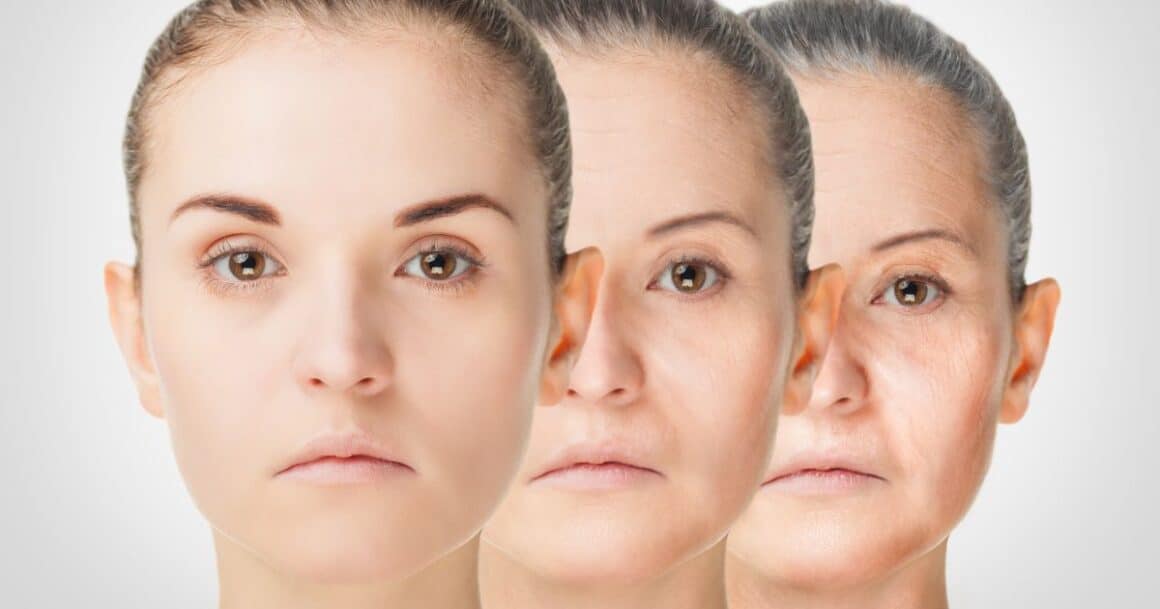
There are a variety of anti-aging treatments and cosmetic procedures that can help improve the appearance of aging skin.
These in-office treatments are usually performed by a board-certified dermatologist or another medical professional.
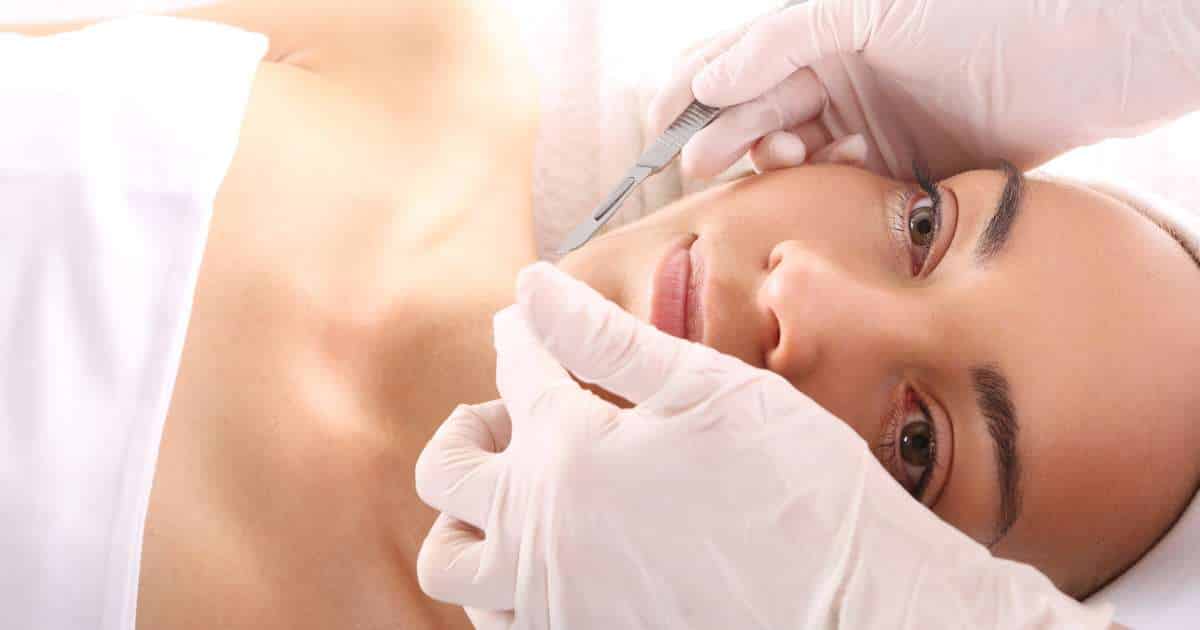
Chemical Peels for Anti-Aging
This treatment uses a customized acid solution (think glycolic, salicylic, or other acids—nothing scary!) to gently exfoliate and lift away the top layers of dead, damaged skin.
This process signals your body to boost cell turnover and generate fresh, new skin.
The “after” is what we’re here for: a visibly smoother skin texture, a more even-toned complexion, and a serious radiance boost.
Peels are amazing for softening fine lines, fading stubborn hyperpigmentation (like dark spots or melasma), and minimizing old acne scars.
They aren’t one-size-fits-all. You can get a light “lunchtime” peel for a quick glow-up with basically no downtime, which is awesome.
For more dramatic results on texture or sun spots, a medium-depth peel works wonders but will require a few days of “social downtime” as your skin peels and renews.
Your provider will help you choose the right one, and you’ll likely need a series of treatments for the best results.
Related Article: 12+ Chemical Peel Benefits for your skin
Dermal Fillers for Anti-aging
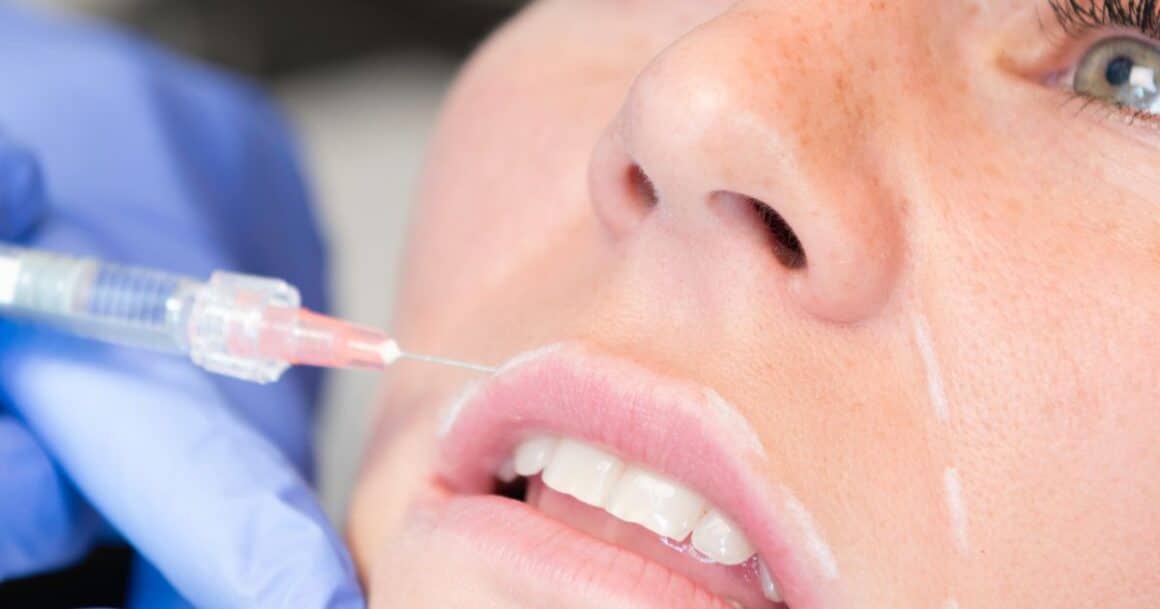
Dermal fillers are a very effective and popular anti-aging treatment for 30s, 40s, 50s, and beyond!
Dermal Fillers for Anti-aging achieve excellent results!
- Improve collagen production: Collagen is a protein naturally found in the skin. It’s responsible for giving skin its bounce and elasticity. However, as we age, our bodies produce less collagen, which shows signs of aging like fine lines and wrinkles.
- Dermal fillers can stimulate your body’s natural collagen production process to restore youthfulness to your appearance.
- Soften frown lines- Frown lines are those vertical creases that form between your eyebrows when you squint or furrow your brow.
- Replace volume loss- As we age, “fat pads” in our faces begin to deflate like an empty balloon sags down.” This usually happens around the cheek area, resulting in sunken cheeks and hollow under-eye areas.
- Correct nasolabial folds– “Nasolabial folds,” often called laugh lines or parentheses lines, are the two brackets framing either side of the mouth, extending from the upper lip towards the nose. Nasolabial folds can become very deep over time, and some people eventually require surgical intervention, such as a facelift.
Related Article: The Best Dermal Fillers for Over 50 + The Best Treatments for Lip Lines and Wrinkles
Anti-Aging Laser Treatments (Laser Resurfacing)
Laser treatments for Anti-aging use a laser to improve the texture and appearance of your skin. Laser resurfacing treatments can also increase collagen production, remove age or brown spots and treat spider veins.
Multiple types of lasers treat many conditions, including wrinkles, sun damage, scars, and spider veins, and remove age spots or brown spots and broken blood vessels.
Laser therapies use intense pulsed light, or light energy, to give skin a healthier-looking complexion.
Be sure to check with A board-certified dermatologist or skincare professional to choose the best laser treatment for your needs.

Botox Injections for Anti-aging
If you ask me, Botox is the MVP of anti-aging treatments for your 30s. This is when we start to notice those little expression lines sticking around—think forehead lines, crow’s feet, and those “11s” between your brows—even when your face is relaxed.
So, how does this magic work? Botox is a type of neuromodulator. In simple terms, it’s a quick cosmetic injectable that temporarily tells the specific facial muscles that cause these dynamic wrinkles to chill out.
The muscles relax, and the skin on top becomes noticeably smoother.
It’s not about “freezing” your face; it’s about softening repetitive movements. Many people in their 30s use it as a preventative treatment to stop those little lines from becoming deep, permanent creases later on.
The best part? It’s a super quick, in-office treatment with zero downtime. You’ll start to see results in a few days, giving you a more rested and refreshed look that is totally you, just smoother.
Related: My 20+ Years of Experience With Botox
Microneedling
Think of microneedling (sometimes called collagen induction therapy) as a workout for your skin. It uses a device with tiny, sterile needles to create little, controlled “micro-injuries” on the surface. Don’t let that scare you! This process is a clever way to kickstart your skin’s natural healing mode.
This “wake-up call” signals your body to send in the repair crew, building a fresh supply of collagen and elastin—the proteins that keep your skin plump, firm, and youthful.
The payoff? You’ll notice a smoother skin texture, softer fine lines, less visible pores, and even a reduction in old acne scars.
A major bonus is that these new micro-channels help your skincare products, like hyaluronic acid or vitamin C serums, sink in way deeper and work much more effectively.
Best of all, the downtime is incredibly minimal. You might look a bit pink (like you got some sun) for a day or two, but that’s it.
To get that truly “glowy,” lasting effect, a skincare professional will usually suggest a series of sessions.
Radiofrequency (RF) Therapy
Radiofrequency (RF) therapy is a non-invasive cosmetic procedure that utilizes radiofrequency energy to heat the deeper layers of the skin.
This controlled heating stimulates collagen production, tightens existing collagen fibers, and improves skin elasticity.
RF therapy is commonly used to reduce the appearance of wrinkles, fine lines, and sagging skin on the face and body. It can also be effective in treating cellulite and contouring areas such as the abdomen, thighs, and buttocks.
RF therapy is safe for all skin types and typically requires a series of treatments for optimal results and is supper It’s a popular option for individuals seeking skin tightening and rejuvenation without surgery or downtime.
LED Light Therapy
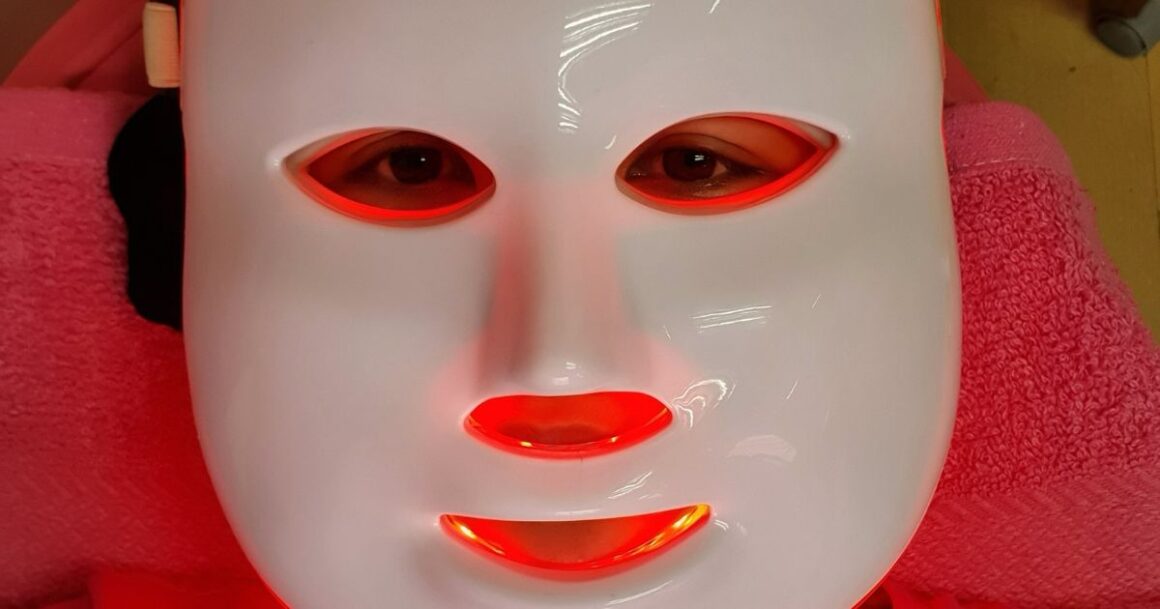
LED (Light Emitting Diode) light therapy is a non-invasive skincare treatment that uses various wavelengths of light to target specific skin concerns and promote overall skin health.
Different wavelengths penetrate the skin at varying depths, providing therapeutic benefits such as:
Red Light (630-700nm): Red light stimulates collagen production, reduces inflammation, and promotes healing. It’s effective in treating wrinkles and fine lines and improving overall skin texture.
Blue Light (400-470nm): Blue light targets acne-causing bacteria, making it an effective treatment for acne and preventing breakouts. It also helps regulate oil production in the skin.
Green Light (525-550nm): Green light targets melanocytes, which are responsible for producing melanin. It can help reduce hyperpigmentation, sunspots, and uneven skin tone.
Yellow Light (570-590nm): Yellow light promotes lymphatic drainage, reduces redness, and improves skin tone. It’s beneficial for calming sensitive skin and reducing inflammation.
LED light therapy is gentle, painless, and suitable for all skin types. It can be used as a standalone treatment or in conjunction with other skincare procedures to enhance results.
Regular sessions are typically recommended to maintain and improve skin health over time.
LED devices are also available for at-home use, although professional treatments may offer more powerful and consistent results. (source)
Platelet-Rick Plasma (PRP) Therapy
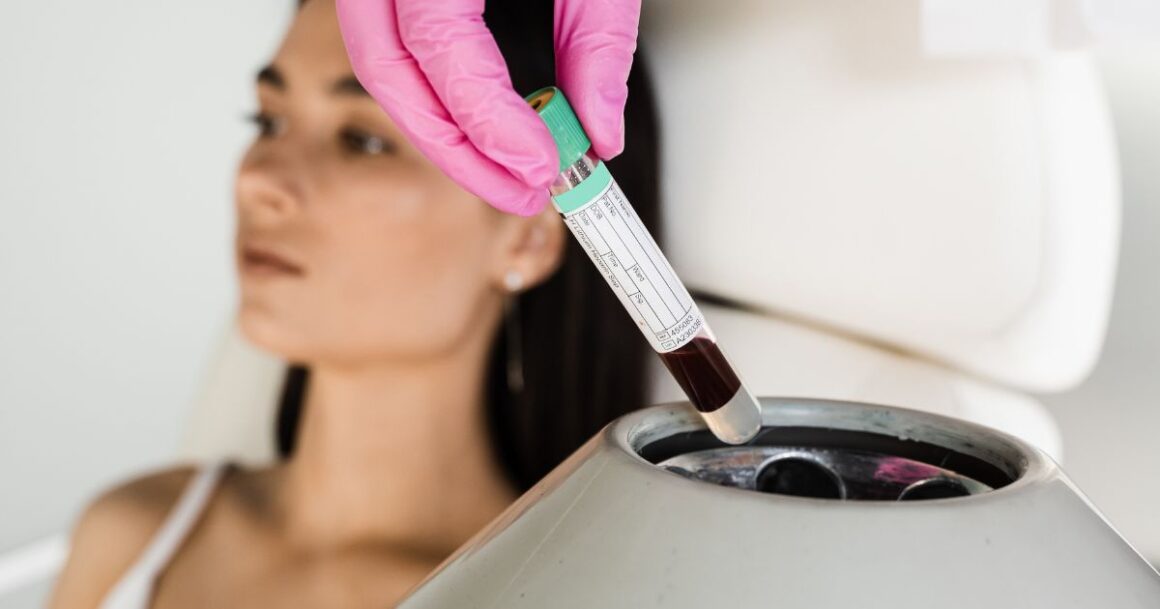
Platelet-rich plasma (PRP) therapy or “vampire facial” or “vampire treatment “is a regenerative treatment that utilizes the patient’s own blood to rejuvenate the skin and stimulate natural healing processes.
The procedure involves drawing a small amount of blood from the patient, which is then processed to separate the platelet-rich plasma from other components.
The concentrated PRP is then injected or applied topically to the treatment area.
PRP contains a high concentration of growth factors and proteins that play a crucial role in tissue repair and regeneration.
When injected into the skin, PRP can promote collagen production, improve skin texture, and enhance overall skin tone.
It’s commonly used to treat various skin concerns, including wrinkles, fine lines, acne scars, and uneven pigmentation.
PRP therapy is minimally invasive and typically well-tolerated by patients. Since it utilizes the patient’s own blood, the risk of allergic reactions or adverse side effects is minimal.
However, multiple treatment sessions may be necessary to achieve optimal results, and individual outcomes can vary.
PRP therapy is often combined with other cosmetic procedures, such as microneedling or laser treatments, to enhance its effectiveness. (source)
Preventative Anti-aging Treatments
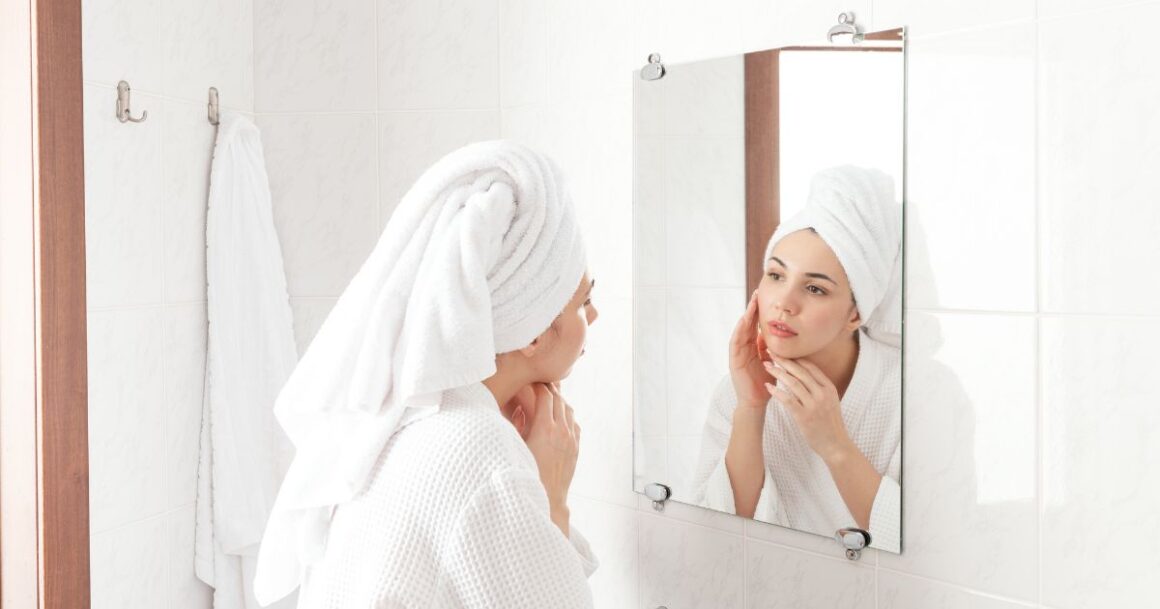
The best preventative anti-aging treatment is a healthy lifestyle!
Taking preventative measures is key to aging gracefully.
Healthy daily habits such as wearing sunscreen, drinking enough water, and getting plenty of quality sleep are just a few ways to age well.
In addition, eating a healthy, well-balanced diet with plenty of fresh fruits and vegetables may help prevent damage that leads to premature skin aging.
Exercising daily can improve circulation and boost the immune system, giving the skin a more youthful appearance.
Related: Healthy Morning Habits for Women
Sun Protection
For example, using a daily sunscreen with an SPF of 30 or higher can help to prevent sun damage, dark spots, and skin cancer.
But buyer beware, not all sunscreens are healthy for you or your skin.
Sources say to look for sunscreens made with titanium dioxide or zinc oxide.

Healthy Diet
There is an endless sea of information pointing to the fact that we are essentially what we eat and that what we eat and don’t eat can greatly affect the aging process.
Just check out this study on diet and the aging of the skin. It’s eye-opening!
Proper Hydration
Drinking enough fluids helps to keep the body functioning properly and can help to prevent dehydration, which can lead to serious health complications. (source)
Not only does maintaining proper hydration keep your body functioning properly, but it also helps maintain youthful skin.
Drinking enough water regularly will have fewer wrinkles, scars, and soft lines.
Related article: How to Make Sure Your Drinking Enough Water
Beauty Sleep for Anti-Aging
They call it beauty sleep for a reason.
Sleep is critical for overall health and well-being. It helps to reduce stress, improve mental health and cognitive function, and support a healthy immune system.
This study discovered that lack of sleep or insufficient sleep could make older adults’ cells age more quickly.
Getting a healthy night’s sleep isn’t just a way to keep the wrinkles away for a little longer — it will make you healthier.

Hormones and Anti-aging
Many women’s hormone levels naturally decline as early as the mid-thirties.
Hormone imbalances can cause a domino effect of physical symptoms like lowered energy, weight gain, and lost sex drive.
Low hormone levels can also lead to skin aging.
Make sure to check your hormone levels regularly and take measures to keep them balanced.
When assessing hormone levels for anti-aging purposes, healthcare providers often consider the following hormones:
Testosterone
Testosterone levels decline gradually in both men and women with age. Low testosterone levels can lead to decreased muscle mass, diminished libido, fatigue, mood changes, and reduced bone density.
Estrogen
Estrogen levels decline in women during menopause and can lead to symptoms such as hot flashes, night sweats, vaginal dryness, mood swings, and bone loss.
Maintaining balanced estrogen levels is essential for overall health and well-being.
Progesterone
Progesterone levels also decline during menopause in women. Low progesterone levels can contribute to symptoms such as irregular menstrual cycles, sleep disturbances, anxiety, and mood swings.
DHEA-S (Dehydroepiandrosterone sulfate)
DHEA is a precursor hormone that declines with age. It plays a role in hormone production and is associated with energy levels, mood, immune function, and overall vitality.
Thyroid Hormones
Thyroid hormones (TSH, T3, T4) regulate metabolism, energy production, body temperature, and other physiological processes.
Thyroid function tends to decline with age, leading to symptoms such as fatigue, weight gain, cold intolerance, and cognitive impairment. (source)
Cortisol: Cortisol is a stress hormone that plays a role in regulating metabolism, immune function, and the body’s response to stress.
Chronic stress and elevated cortisol levels can contribute to age-related health problems such as insulin resistance, inflammation, and cognitive decline. (source)
Related: Make a Stress Management Plan
Insulin
Insulin is a hormone that regulates blood sugar levels and energy metabolism.
Insulin resistance, characterized by elevated insulin levels and impaired insulin sensitivity, is associated with obesity, type 2 diabetes, cardiovascular disease, and accelerated aging.
Human Growth Hormone (HGH)
HGH is involved in cell growth, repair, and regeneration. Levels of HGH decline with age and are associated with decreased muscle mass, increased body fat, reduced bone density, and impaired healing.
Monitoring and optimizing hormone levels through hormone replacement therapy or lifestyle interventions can help mitigate the effects of aging and promote overall health and vitality!
However, working with a qualified healthcare provider to assess individual hormone levels and develop a personalized treatment plan is essential. (source)
Related: Hormone Replacement Therapy Pellets (my story)
Anti-Aging Blood Tests
As we age, we may see declines in our thyroid function, insulin resistance markers, cardiovascular risk, and other functions.
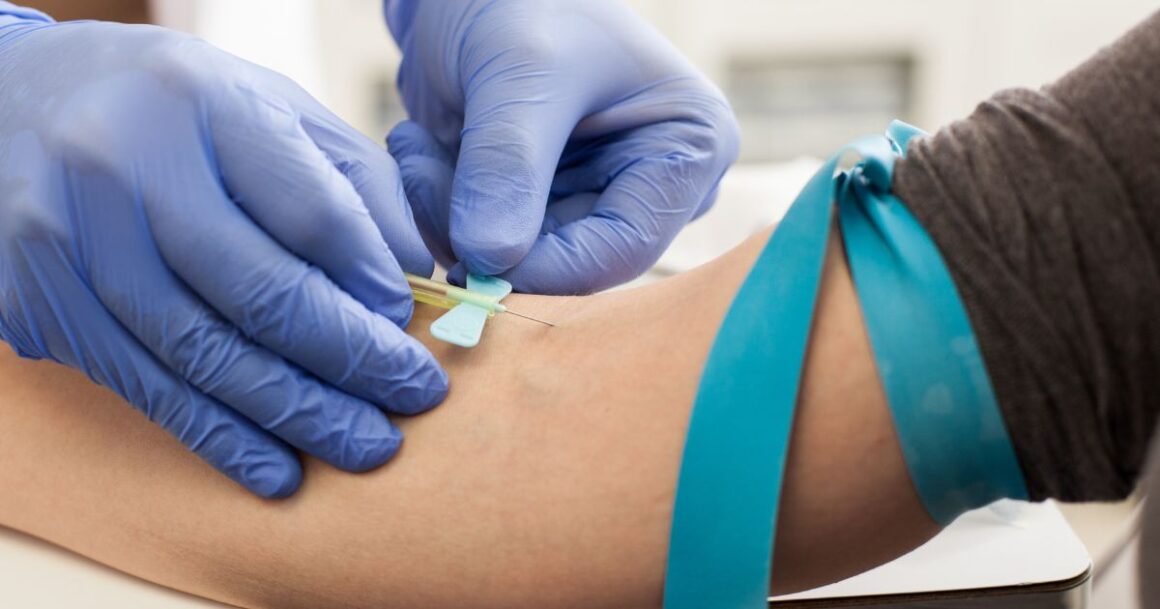
It can be a good idea to have blood markers checked annually. You can have your healthcare provider order anti-aging blood tests or order them yourself online!
Here are some commonly recommended anti-aging blood tests:
Hormone Levels
Hormones play a significant role in the aging process.
Tests for hormones such as testosterone, estrogen, progesterone, DHEA-S, and thyroid hormones (TSH, T3, T4) can help identify hormonal imbalances that may contribute to age-related issues such as decreased libido, fatigue, weight gain, and mood swings.
Inflammation Markers
Chronic inflammation is associated with various age-related diseases and conditions.
Tests for markers such as C-reactive protein (CRP), interleukin-6 (IL-6), and tumor necrosis factor-alpha (TNF-alpha) can assess levels of systemic inflammation in the body.
Blood Sugar and Insulin Levels
Elevated blood sugar levels and insulin resistance are common as people age and are associated with an increased risk of diabetes, cardiovascular disease, and other health problems.
Lipid Profile
Monitoring lipid levels, including total cholesterol, LDL cholesterol, HDL cholesterol, and triglycerides, is essential for assessing cardiovascular health and reducing the risk of heart disease, which becomes more prevalent with age.
Vitamin and Nutrient Levels
Deficiencies in vitamins and nutrients can accelerate the aging process and increase the risk of age-related diseases.
Tests for vitamin D, vitamin B12, folate, iron, magnesium, and other essential nutrients can help identify deficiencies that may impact overall health and vitality.
Oxidative Stress Markers
Oxidative stress, caused by an imbalance between free radicals and antioxidants in the body, is implicated in aging and age-related diseases.
Tests for markers such as glutathione, superoxide dismutase (SOD), and malondialdehyde (MDA) can assess oxidative stress levels. (source)
Liver and Kidney Function Tests
Liver and kidney function declines with age, and tests such as liver enzymes (AST, ALT, ALP), bilirubin, creatinine, and blood urea nitrogen (BUN) can evaluate the health of these organs.
Consulting with a healthcare provider or anti-aging specialist can help determine which blood tests are most appropriate based on individual health status, risk factors, and goals for aging gracefully.
Anti-aging Supplements
Incorporating vitamins and supplements into your daily routine and maintaining a healthy diet are crucial as we age.
Our bodies change as time goes on, and thus we may not be able to get all the nutrients we need solely from food.
Supplements act as a way of filling in these gaps and ensuring that we receive the vital nutrients required for our health.
Related: The Best Supplements for Over 50+
Anti-aging Skincare Routine for 30s, 40s, 50s+
As we age, it’s important to establish an anti-aging skincare routine in your 30s. A daily routine can help protect your skin against cancer while keeping it looking its best.
Several anti-aging skin care treatments are effective for people in their 30s.
So if you’re in your 30s and haven’t already, now is the time to start incorporating skin-loving anti-aging products into your skincare routine.
Anti-aging Treatments for 30s + Active Ingredients
When developing a solid anti-aging treatment plan, looking for active ingredients in skincare products that do magic for the skin and the aging process is important.
Active anti-aging Ingredients to look for in skincare products:
- Sunscreen
- Hyaluronic acid
- Retinol
- Antioxidants like Vitamin C
- Niacinamide
- Ceramides
- Salicylic acid
- Glycolic acid
- Lactic acid
- Azelaic Acid
- Peptides
My Anti-aging Skincare Regimen
My anti-aging skincare regimen has evolved over the years.
I use products that contain skin-loving ingredients and try to be as consistent as possible.
I start with a gentle cleanser, followed by an exfoliate. Then, I apply antioxidant-rich serums, retinol, peptide creams, and hyaluronic acid to help hydrate my skin.
I end my routine with eye cream.
And I make sure to use sunscreen every day. I apply sunscreen to my face, neck, and décolletage on my hands like religion. 🙂
Step-by-Step Anti-aging Skincare Routine:
1. Cleanse with Gentle Cleanser
There are a couple of great facial cleansers that I love and use often.
I love The Ordinary’s Squalane Cleanser, a gentle, soap-free formula for daily use and all skin types. It leaves your skin feeling smooth and does a great job of dissolving makeup.
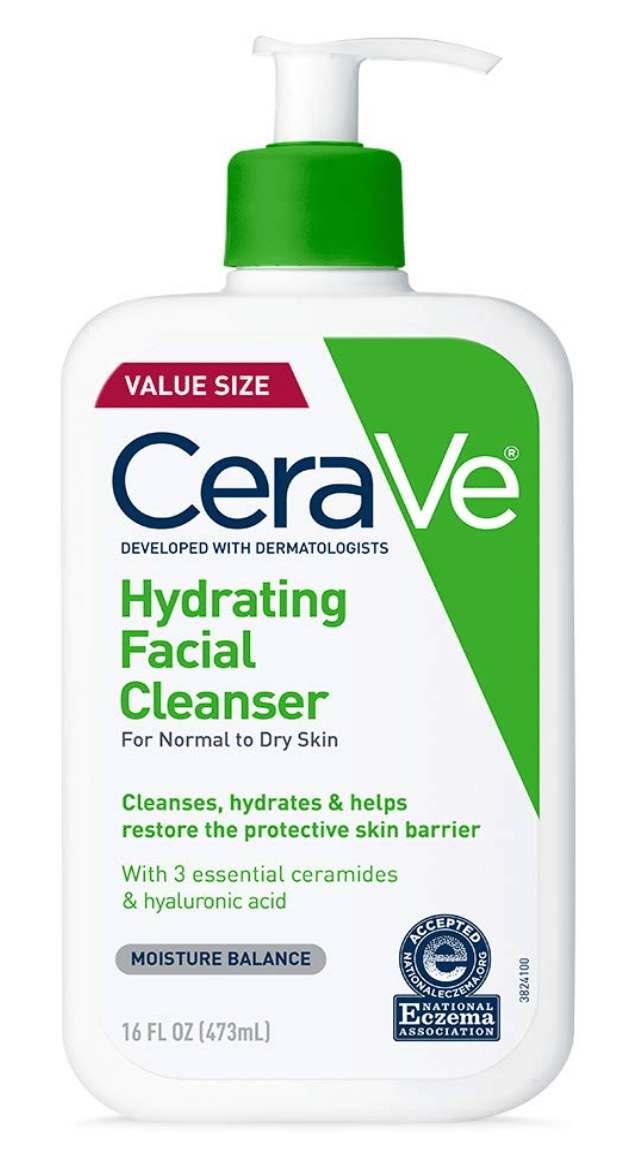
My other long-standing favorite cleanser is CeraVe hydrating facial cleanser because of its skin-loving ingredients and its lotion-like feel.
CeraVe Hydrating Facial Cleanser
This gentle facial cleanser contains hyaluronic acid, ceramides, and glycerin to help hydrate skin without stripping moisture.
It removes face makeup, dirt, and excess oil, like a dream leaving skin moisturized but not greasy.
I love the lotion-like consistency and its fragrance-free, paraben-free, non-comedogenic, and non-drying.
Great for dry skin: Certified by the National Eczema Association.
2. Exfoliate
This is a crucial step in any anti-aging skincare routine.
Exfoliating helps remove dead skin cells, revealing the new, fresh skin underneath, leaving your skin looking brighter and feeling smoother.
For older skin, exfoliation is even more important, as it helps to brighten dull skin, and uneven areas and reduce the appearance of fine lines and wrinkles.
Related Article: The Best Face Exfoliates for anti-aging
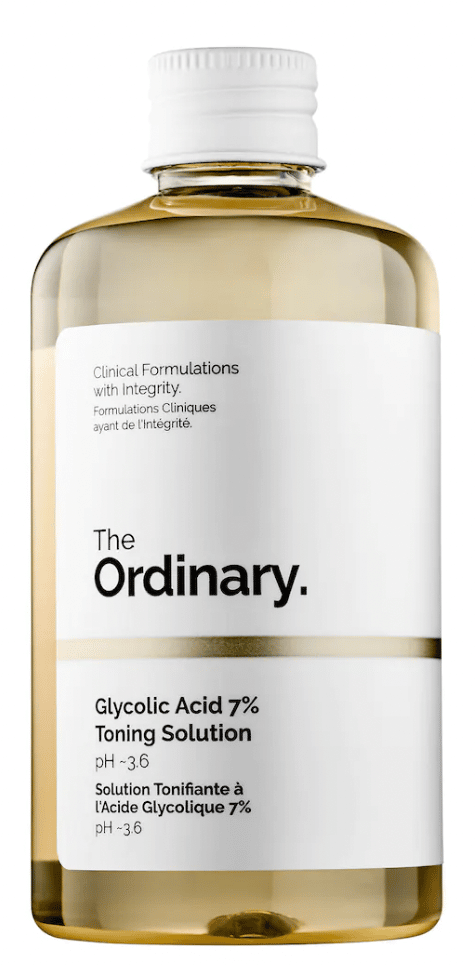
The Ordinary Glycolic Acid 7% Toning Solution
I love this toning solution and find it the best exfoliation toner available!
This exfoliating toner targets dullness, texture, and signs of aging.
Glycolic Acid 7% Toning Solution is an exfoliating agent aimed specifically at the surface of your skin.
Consistent use can help improve skin clarity, even out skin tone, and correct any texture irregularities.
More Noteworthy Anti-aging Exfoliates:
3. Anti-Aging Serums
I discovered anti-aging serums about ten years ago and haven’t looked back.
They are super absorbent, so they penetrate the skin beautifully! Serums are lightweight yet highly concentrated formulations that treat signs of aging and more!
Serums are absolute to any anti-aging skincare routine.
My favorite anti-aging serum is vitamin C serum. I am currently using Paula’s Choice Boost C15 serum to help brighten my skin and a few more serums from The Ordinary.
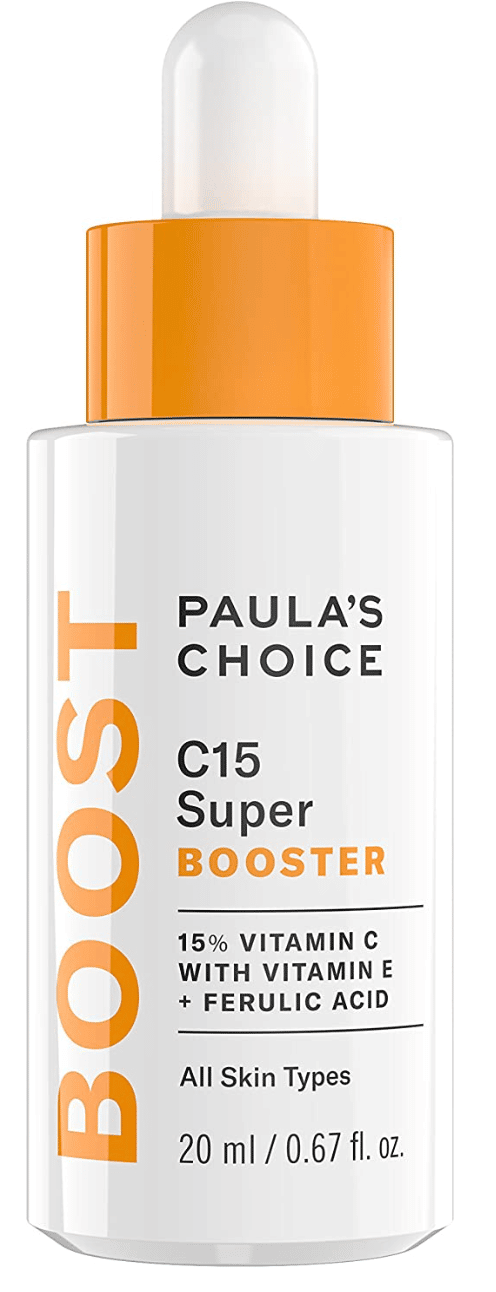
Paula’s Choice BOOST C15 Super Booster
Paula’s Choice–C15 Super Booster 15% Vitamin C with Vitamin E & Ferulic Acid diminishes visible signs of aging for smoother, brighter & firmer-feeling skin.
Contains a blend of 15% stabilized vitamin C, vitamin E & peptides. Balanced pH of 3.0.
With replenishing antioxidants & skin smoothing peptides. improve the appearance of uneven skin tone, lessen environmental stress & brighten a dull complexion.
More Noteworthy Anti-aging Serums
4. Pro-Aging + Anti-aging Moisturizers + Night Cream
The best way to keep them healthy is by applying a good face moisturizer with antioxidants or hyaluronic acid, ceramides, and skin-loving peptides.
I’ve got several anti-aging moisturizers in my skincare drawer. Olay Regenerist Collagen Max is one of my new favorites!
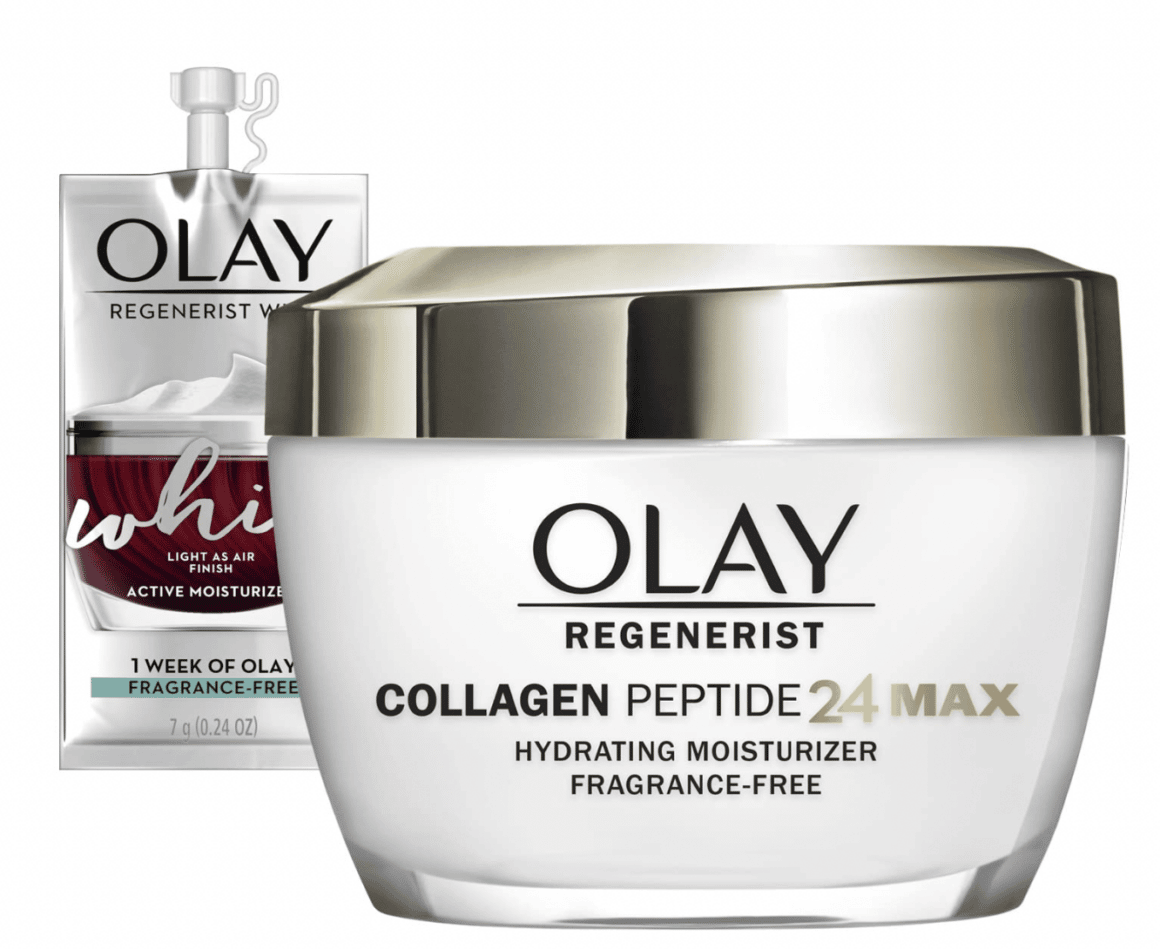
Olay Regenerist Collagen MAX + Peptide Hydrating Moisturizer
This facial moisturizer provides the benefits of Collagen Peptide + intense hydration without a sticky, greasy feel.
Formulated with tried-and-true ingredients, like Collagen Peptide and Vitamin B3+, to transform the look of skin.
I use this cream both morning and night.
More Noteworthy Anti-aging Moisturizers
5. Anti-aging Eye Serums + Creams
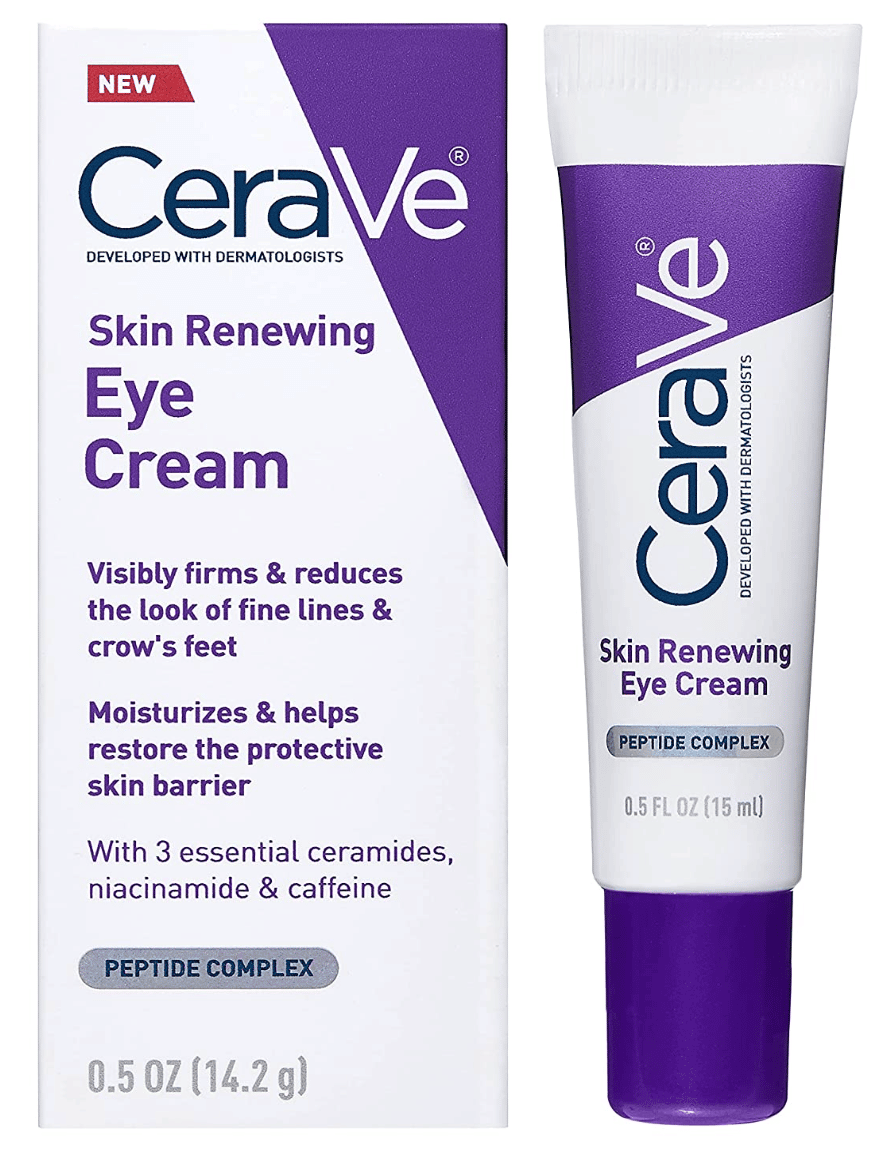
CeraVe Eye Cream for Wrinkles
CeraVe Skin Renewing Eye cream deeply hydrates, visibly smooths, firms, and brightens the delicate skin around the eyes while helping restore the protective skin barrier.
It’s formulated with caffeine to help visibly reduce puffiness, peptides to help reduce the appearance of fine lines & crow’s feet wrinkles, and niacinamide to help visibly smooth fine lines & brighten skin.
And if that wasn’t good enough, it’s packed with ceramides, which help maintain the skin’s natural barrier.
More Noteworthy Anti-aging Eye Creams:
6. Apply Sunscreen (AM)
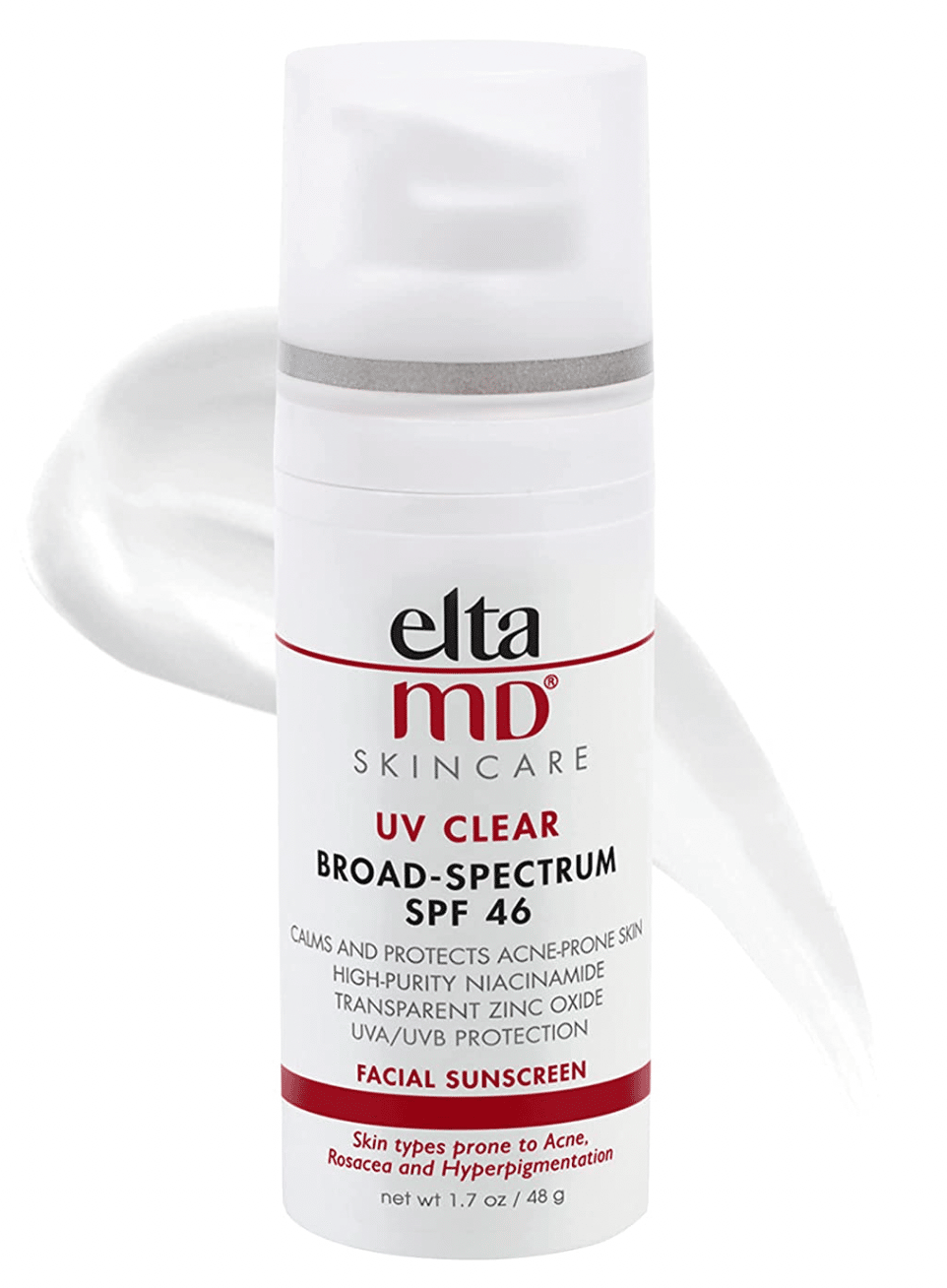
EltaMD UV Clear SPF 46 Face Sunscreen
EltaMD UV Clear is a lightweight sunscreen that plays nicely with my other skincare products and makeup.
It’s dermatologist-recommended and calming for my sensitive skin.
It contains Zinc oxide and Octinoxate and is oil-free
Beauty + Skincare Articles
- Simple DIY Hair Growth Treatments
- The Best Magnifying Makeup Mirrors
- Best Moisturizers for Black Skin
- Best Facial Wash for Black Skin
- AM Skincare for Mature Skin
- The Best The Ordinary Skincare Products
- How to Look + Feel Sexy Over 60
- The Best Lipsticks For Older Women
- Why I love Botox after 20 Years!
- Got Thin Eyelashes and Brows?
- The Best Clinique for Mature Skin
FAQ: Best Anti-Aging Treatments for Your 30s
What are the most effective anti-aging treatments for your 30s and Beyond
The most effective anti-aging treatments include retinol-based products, chemical peels, microneedling, laser treatments, and hydrating facials.
When should I start using retinol on my skin?
Yesterday! Retinol is highly effective in stimulating collagen, reducing fine lines, and improving skin texture.
How often should I get professional anti-aging treatments?
This depends on the treatment. For example, chemical peels can be done every 4-6 weeks, while microneedling or laser treatments may be recommended every few months.
Can I prevent wrinkles with lifestyle changes?
Yes! Avoid smoking, wear sunscreen daily, stay hydrated, eat a balanced diet, and get enough sleep to help prevent premature aging.
Related: Understanding the 6-Pillars of Health
What ingredients should I look for in anti-aging skincare products?
Look for products with retinol, hyaluronic acid, vitamin C, peptides, and SPF. These ingredients hydrate, protect, and improve skin texture and tone.
How can I treat fine lines and wrinkles at home?
You can use at-home treatments like retinol creams, chemical peels, hydrating masks, and facial massage tools. Consistency in your skincare routine is key.
I’m in my 30s and have no wrinkles. Is it early late to start anti-aging?
It’s the absolute perfect time! This is the “golden window” for preventative skincare. The goal isn’t just to fix wrinkles you see, but to prevent and slow the formation of future ones.
Starting a consistent routine with sunscreen, antioxidants, and retinol before deep-set wrinkles appear is the single best thing you can do for your future skin.
What are your favorite three skincare ingredients to start in your 30s?
- SPF 30 (or higher): A non-negotiable, every single morning, to prevent new sun damage.
- Vitamin C: A morning serum to protect against free radicals (pollution, etc.) and brighten dark spots.
- Retinol (or a Retinoid): A nighttime treatment. This is the “gold standard” for boosting collagen and increasing cell turnover to keep skin smooth and firm.
Is “preventative Botox” in your 30s worth it?
Many dermatologists now recommend it. The idea is called “prejuvenation.” Botox works by relaxing the muscles that cause “dynamic” wrinkles (like squinting or frowning).
Using small amounts in your 30s can help prevent dynamic lines from “etching” into the skin and becoming “static” (permanent) wrinkles later.
My skin is dull and has a rough texture. What’s the best treatment?
This is usually caused by slowing cell turnover. Your best at-home solution is adding chemical exfoliants (like an AHA/glycolic acid toner) a few times a week to dissolve dead skin cells.
For a professional boost, treatments like a light chemical peel or microneedling can reveal a brighter, smoother complexion.
Can I prevent wrinkles with just lifestyle changes?
Lifestyle is huge. You can have the best routine in the world, but if you smoke, drink excessively, have a high-sugar diet, or are constantly stressed, it will show on your skin.
Prioritizing sleep, eating a healthy diet, managing stress, and—above all—wearing sunscreen are foundational to any anti-aging plan.
Conclusion: The Best Anti-aging Treatments for the 30s and Beyond
As you can see, your 30s are not about trying to reverse time, but about playing the long game. This is the decade of prevention and consistency.
By building a solid anti-aging routine that includes the “holy trinity”—daily SPF 30+, a Vitamin C serum, and Retinol—you are actively protecting your skin and boosting collagen production for the future.
Whether you stick to a powerful at-home regimen or decide to explore in-office treatments like “preventative Botox” or microneedling.
The most important takeaway is this: The small, consistent steps you take today will have the most significant impact on your skin’s health for decades to come.
XO, Christine
I’ve been keeping it real since 1963. 😊
I’m a child of God, devoted wife, proud mama and grandma, full-time creative, domestic engineer, and passionate self-care enthusiast.
I’m purpose-driven and do my best to live each day with intention—whether shopping for treasures, painting in my art studio, digging in the garden, or cooking up something yummy for my family.
I’m always up for a good chat and love collaborating with fellow creatives and brands.
Let’s connect—don’t be shy!