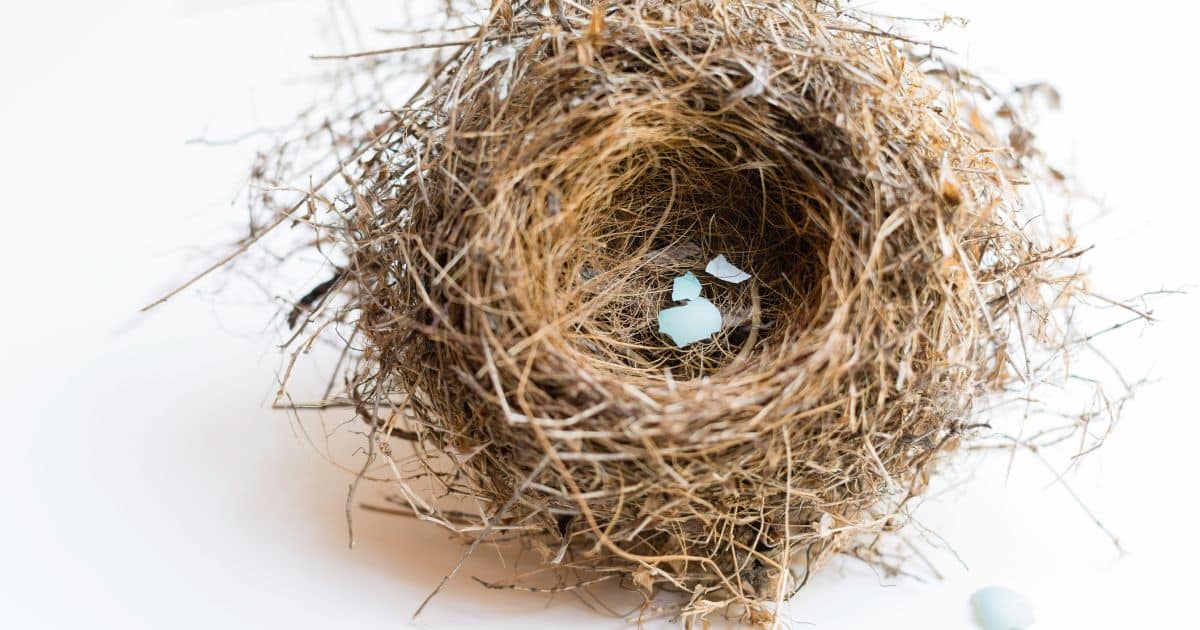
After the Kids Leave Home: Reinvention and the Empty Nest
Welcome to my guide: Finding Yourself after the Kids Leave Home.
Dedicated to navigating the transformative journey of the empty nest. We’ll delve into understanding the nuances of empty nest syndrome and, more importantly, celebrate the boundless opportunities it presents.
As our children blossom into independent adults and chart their adventures, it’s natural for parents to grapple with a whirlwind of emotions – from nostalgia and melancholy to exhilaration.
It’s a poignant mix of bidding goodbye to one chapter and eagerly anticipating the next.
The silver lining? This phase unfurls a canvas of possibilities.
Whether you’re yearning to reignite dormant passions, considering audacious career shifts, or simply trying to rediscover your true essence, the empty nest journey is all about embracing change and celebrating growth.
Want to learn more? Let’s go!
This post may contain affiliate links. Click to visit policies and disclosures

What is Empty Nest Syndrome?
Empty nest syndrome isn’t a clinical diagnosis but rather a phenomenon in which parents experience sadness and loss when the last child leaves home.
Once filled with laughter, chaos, and endless chores, the house suddenly feels eerily quiet and empty.
Causes of Empty Nest Syndrome
Understanding why this life transition hits so hard can actually be a gift. It helps you stop wondering what is wrong with you and start understanding what is happening to you. There is a big difference.
Identity Shift: For years, being a mother was woven into every part of your daily identity. Your schedule, your decisions, your energy, all of it revolved around your children. When that role shifts, it can feel like losing a piece of yourself. This is one of the most common causes of the deep disorientation that accompanies the empty-nest phase.
Loss of Purpose: When your daily purpose was built around caring for your kids, the absence of those rhythms can leave you asking, “What now?” Rediscovering your sense of purpose is one of the most important parts of navigating post-parenting life.
Loneliness: The quiet of an empty house is real, and so is the longing for those ordinary moments someone asking for dinner, a teen rolling their eyes, even the chaos you swore you could not wait to escape.
Concern for Your Children: The caregiving instinct does not have an off switch. Even when your kids are adults building full lives of their own, the heart of a mother still watches and wonders.
Relationship Shifts: Many couples discover that much of their daily connection revolves around the children.
The empty nest can prompt a necessary and ultimately beautiful reevaluation of the marriage relationship.
Symptoms of Empty Nest Syndrome
While every woman’s empty nest experience is unique, these are the most common signs that you may be walking through this transition:
Sadness or Despair: A lingering heaviness, especially in moments and spaces that used to be full of your children’s presence.
Loss of Motivation: A decreased interest in activities that once brought you joy, or difficulty caring about your own goals and needs.
Frequent Crying: Heightened emotional sensitivity and unexpected waves of grief, sometimes triggered by the smallest things.
A Feeling of Emptiness or Loss: A void that feels hard to fill. This is normal, and it does not mean something is permanently wrong.
Disturbed Sleep: Trouble falling asleep, staying asleep, or feeling rested. Hormonal changes in midlife can intensify this.
Anxiety and Worry: Ongoing concern about your children’s well-being, especially if they are far from home or navigating hard circumstances.
Searching for Identity: That persistent, restless question — “Who am I now, beyond being their mom?” This search is not a problem. It is the beginning of something good.
Remember this: while empty nest syndrome can feel overwhelming, it is also the beginning of a profound season of self-discovery and personal growth. The grief and the possibility exist side by side.

Finding Yourself and Reinventing Yourself After the Kids Leave Home
I believe that finding yourself and reinventing yourself are two different journeys, and you need both.
Finding Yourself Again after the Kids Leave Home
Finding yourself is an inside job.
It is not about doing more or becoming more. It is about getting still enough to remember who you already are, the woman who existed before the school runs, before the sleepless nights, before you gave so much of yourself away that you forgot to keep some for you.
I spent years pouring into my kids, my career, my home, my marriage. All good things. But somewhere in the middle of all that pouring, I lost track of what I personally loved. What I wanted. What made me feel like me. Finding yourself is the work of reacquainting yourself.
It looks like this:
Getting honest about who you are at your core. Not the roles you have played or the expectations others have had of you, but your actual values, your real personality, the things that have always been true about you even when life buried them under busyness.
Rediscovering what lights you up. What did you love before kids filled every corner of your life? What have you been quietly curious about for years but never had time to explore? Those longings are not random. They are clues.
Doing the inner work of acceptance. Finding yourself is not just about reclaiming the good stuff. It is about making peace with your whole story, the hard seasons, the detours, the versions of yourself you are not proud of. All of it has shaped you into someone worth knowing.
Finding yourself is less about discovering something new and more about coming home to something that was always there.
Reinventing Yourself After the Kids Leave Home
Reinvention is what happens after you do that inner work.
Once you have a clearer sense of who you actually are, your values, your passions, your non-negotiables, reinvention asks the next question: what do I want to do with her?
This is where the real fun begins. And I use the word fun intentionally, because after years of putting everyone else first, giving yourself permission to dream and build and try new things is genuinely exhilarating.
I started painting at 60. Sixty. I had never considered myself an artist, and honestly the first few attempts were pretty rough. But something about picking up a brush and making something that had never existed before cracked open a part of me I did not know was waiting.
That is reinvention. It does not have to be dramatic or perfectly planned. It just has to be yours.
Reinvention looks like this:
Stepping into new roles. Maybe that means launching a business, going back to school, becoming a mentor, or pursuing work that actually reflects who you are now, not who you were at 30.
Learning things that genuinely interest you. New skills, new creative outlets, new ways of thinking. Learning keeps you sharp, engaged, and connected to a sense of possibility that midlife can sometimes quietly steal if you let it.
Releasing old stories about yourself. “I am not creative.” “It is too late for me.” “That is not the kind of thing I do.” Reinvention requires you to question those narratives and decide intentionally which ones you are keeping.
Setting goals that belong to you. Personal goals, creative goals, spiritual goals, professional goals, goals that exist because you want them, not because someone else needs something from you.
Finding Yourself vs. Reinventing Yourself
Here is the simplest way I can put it.
Finding yourself is looking inward, remembering, healing, reconnecting. Reinventing yourself is looking forward, building, creating, becoming.
One is not more important than the other. In fact, trying to reinvent yourself without doing the inner work of finding yourself first is like redecorating a house with a shaky foundation. It might look good for a while, but it will not hold.
Do both. Start with the inside, then build outward from there.
And here is the really beautiful part: when the kids leave home, you finally have the time, the space, and, honestly, the life experience to do this work well. This is not a season of loss. It is a season of becoming.
Practical Tips for Finding Yourself Again After the Kids Leave Home
When you are walking through this transition, the most important shift you can make is simply this: put yourself back on your own list.
I know that sounds obvious. But for most of us who spent years in the thick of raising kids, putting ourselves first stopped feeling like an option a long time ago. I ran on fumes for years during what I call my hardcore mommy years, and I know I am not alone in that.
Now that the kids have left home, you have something you probably have not had in a very long time, and that is permission. Permission to rest. Permission to explore. Permission to care for yourself with the same devotion you gave everyone else.
Give yourself grace here too. Reconnecting with yourself after years of putting others first does not happen in a week. This is an unhurried process, and the gentler you are with yourself, the richer it becomes.
You raised your kids well. Now it is your turn.
Prioritize Self-Care
This is where everything else begins. When you are depleted, nothing works well, not your creativity, not your relationships, not your sense of joy or purpose. Self-care for women navigating the empty nest is not a luxury, it is the foundation.
Spa days, slow mornings, a skincare routine that actually feels like a ritual, long baths, naps without guilt, whatever fills your cup, start doing more of that. After spending years in spa and wellness environments, I watched firsthand how transformative it is when a woman finally gives herself permission to be taken care of. It changes something at a cellular level, and I am only halfway joking.
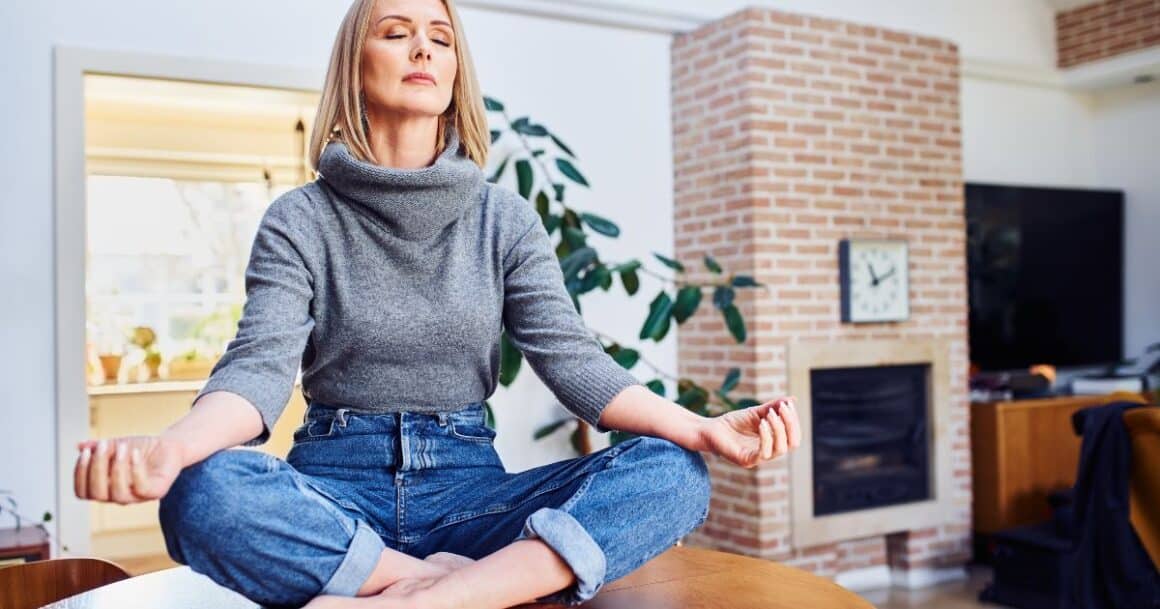
Meditation and Mindfulness
Carving out quiet, intentional time for your inner life is one of the most powerful things you can do during this season of self-discovery.
Whether that looks like a formal meditation practice, a few minutes of prayer in the morning, or simply sitting on your porch with your coffee before the world wakes up, that stillness is where the clarity lives.
This is where you start to hear yourself again.
Journaling
If you only try one thing from this list, make it this one. Journaling is one of the most accessible and genuinely effective tools for processing the complex emotions that come with life after the kids leave home.
Write about what you are grieving. Write about what you are excited about. Write about who you want to be in this next chapter. Write the messy, honest, unfiltered stuff, because that is where the real discoveries happen.
Related: Daily Journaling Prompts to Get You Started + Full Guide to Journaling
Nature Walks
There is something about being outside, under an open sky with your feet on the ground, that resets you in a way nothing else quite does. A daily walk in nature is one of the simplest and most underrated tools for emotional healing, mental clarity, and reconnecting with yourself.
Fresh air and movement do not just perk up your body. They settle your spirit. And in a season where your spirit may be doing a lot of adjusting, that matters more than you might think.
Reading
Books have a unique way of making you feel less alone, especially in seasons of transition. Reading about other women who have navigated midlife reinvention, rediscovered themselves, and built something beautiful in their second chapter is genuinely encouraging in a way that scrolling social media simply is not.
Curl up, get cozy, and let someone else’s story remind you of what is possible in yours.
Related: Inspiring Books for Women Over 40
Seek Professional Support
There is no weakness in asking for help during a major life transition, and the empty nest absolutely qualifies as one. A good therapist or counselor can help you work through the identity shifts, the grief, and the quiet anxiety of figuring out what comes next.
If you have been white-knuckling your way through hard seasons alone for years, consider this your gentle nudge to let someone walk alongside you for a while.
Wellness Retreats
A change of scenery has a remarkable way of creating mental and emotional space for breakthroughs that everyday life does not always allow.
Whether that looks like a weekend yoga retreat, a spiritual renewal getaway, or a self-discovery workshop, stepping outside your normal environment can shake loose something that has been stuck for a long time.
Revisit Old Hobbies
What did you love before motherhood filled every corner of your time and energy? Art, gardening, music, writing, thrifting, cooking, dancing, whatever it was, it is still yours. Go back to it.
Returning to something you once loved is a powerful act of self-reclamation. It says, that part of me did not disappear. She was just waiting.
Focus on Gratitude
Gratitude does not erase grief, and I would never suggest that it should. But practicing gratitude during this season helps anchor you in what is still good, still present, still beautiful in your life, even while other things are shifting.
I genuinely believe that an attitude of gratitude is one of the most powerful forces for a joyful, vibrant midlife. It keeps your eyes open to possibility even when loss is sitting right next to it.
Related: How to Cultivate Gratitude Daily
Lean Into Your Faith
For me, this has always been the bedrock. When the quiet of an empty house gets heavy and the question of “what now?” feels too big, returning to my faith reminds me that I am known, loved, and held by something much larger than this season.
If faith is part of your foundation too, let this be a time to deepen it rather than drift from it. Some of the most meaningful spiritual growth I have ever experienced came in the seasons that felt the most uncertain.
Practical Ways to Reinvent Yourself After the Kids Leave Home
Finding yourself is the inner work. This is where you take everything you have rediscovered about yourself and start building something with it.
Reinvention does not have to be dramatic or all-or-nothing. It does not require blowing up your entire life and starting from scratch. For most women, it looks more like a series of intentional choices, small and large, that gradually shape a life that actually reflects who you are right now, not who you were twenty years ago when you were just trying to keep everyone alive and fed.
Start where you are. Try things. Be willing to surprise yourself.
Update Your Look
I am a firm believer that how we present ourselves on the outside has a very real effect on how we feel on the inside. A fresh hairstyle, a updated wardrobe, a skincare routine that actually addresses where your skin is now in midlife, these are not superficial things. They are acts of self-respect.
When a woman updates her look to reflect the woman she actually is right now, something shifts. She stands a little taller. She walks back into her life with a different kind of energy.
You do not have to spend a fortune. You just have to be intentional.
Related: Best Skincare Routine for Women Over 50
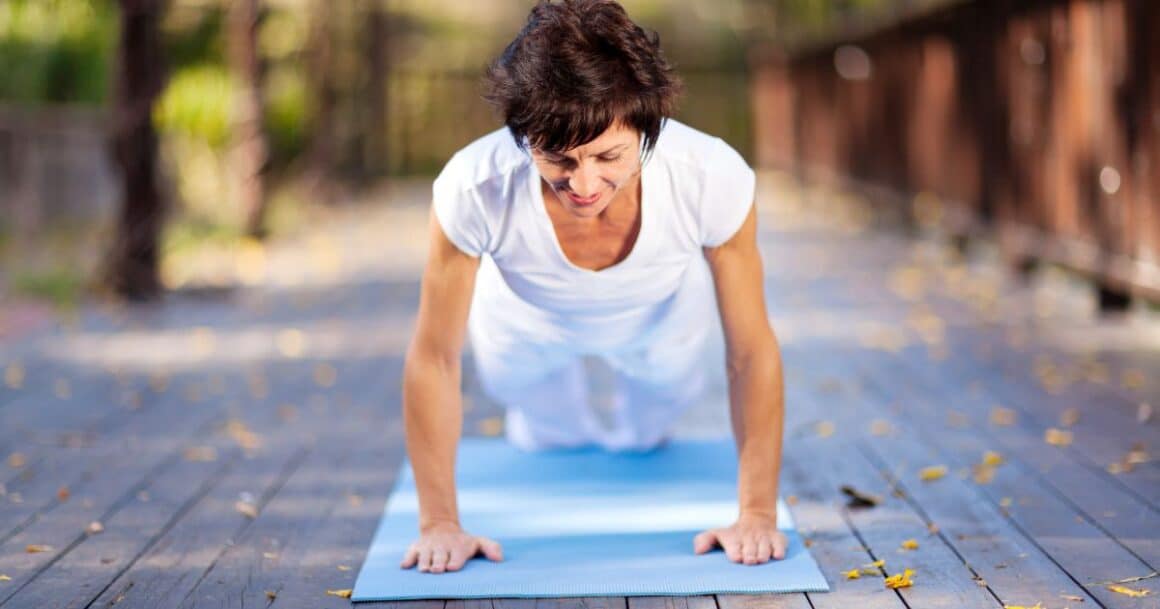
Elevate Your Fitness Level
Moving your body consistently is one of the single most impactful things you can do for your physical and emotional well-being during this season of life. Exercise reduces anxiety and depression, supports bone density, boosts energy, sharpens mental clarity, and releases endorphins that genuinely improve your mood and outlook.
And in midlife, when hormonal shifts are already doing their own thing, having a consistent movement practice is less of a nice-to-have and more of a non-negotiable.
Find something you actually enjoy, because that is the only kind of exercise you will keep doing. Walking, yoga, Pilates, strength training, swimming, dancing in your kitchen, it all counts. The best workout is the one you will actually show up for.
MyFitnessPal is a great tool for tracking your progress and staying motivated.
Related: Things to Do First Thing in the Morning
Take a Different Career Path
Have you been quietly carrying a dream about a different kind of work for years? A career pivot you have talked yourself out of because the timing was never right?
The timing might be right now.
Without the constraints of school schedules, sports practices, and the general logistics of raising children, many women find they have more flexibility and mental bandwidth than they have had in years.
Midlife career changes are far more common than you might think, and research consistently shows that purpose-driven work, work that aligns with your values and genuinely interests you, has a significant positive impact on overall well-being and quality of life.
You have decades of life experience behind you. That is not a liability. That is an enormous asset.
Start a Business or Side Hustle
Turn what you love into something that earns. A blog, a handmade product line, a photography business, a coaching practice, a consulting service, an Etsy shop, there are more accessible paths to building something of your own than at any other time in history.
Related: The Best Side Hustles for Women

Downsize to a Different Home
A change in your living situation can be one of the most powerful and symbolic acts of your new chapter. A home that once needed to hold a busy, loud, full family may simply be too much house for the life you are living now, and that is okay.
Downsizing, relocating, or even just redesigning and refreshing your current space to reflect your life now rather than your life with a houseful of kids can feel enormously freeing. Your home should feel like it belongs to you and the season you are actually in.
Work with a financial advisor and a trusted real estate professional before making any big moves, so you are making decisions that serve your long-term security and well-being.
Start New Hobbies
You do not have to limit your reinvention to revisiting the past. This is also your season to try things you have never tried before and discover sides of yourself you did not know existed.
A creative outlet is one of the most effective tools for processing the emotional complexity of midlife transitions, and honestly, it is also just genuinely fun. Joy matters. Pleasure matters. Doing things purely because you love them, with no productivity attached and no one else to take care of, is a radical and beautiful thing after years of putting everyone else first.
Check your local community college for affordable classes, or explore online platforms like Coursera and Udemy for everything from watercolor painting to small business marketing.
Related: Hobbies for Empty Nesters + Best Creative Hobbies for Women
Join a Club or Group
Getting out of the house and into genuine community with other people is one of the most effective antidotes to the loneliness that can quietly settle in after the kids leave home. Connection is not optional in this season. It is essential.
Look for groups that center on something you actually love, because shared interest is one of the fastest paths to real friendship.
A few ideas to get you started:
Book Clubs: A wonderful way to explore new ideas, spark meaningful conversations, and build genuine friendships around a shared love of reading. Goodreads Groups is a great place to find one near you or online.
Fitness and Wellness Groups: Shared movement is a natural connector. Whether it is yoga, hiking, Pilates, or a walking group, exercising alongside other women in a similar season of life is good for the body and the soul. Meetup Fitness Groups can help you find local options.
Art and Craft Workshops: If you have been curious about a creative skill, taking a class is one of the best ways to both learn something new and meet fellow makers. CraftCourses is a wonderful resource for finding workshops in your area.
Personal Development Events: Workshops, seminars, and retreats focused on growth, mindset, and intentional living. Eventbrite has a robust listing of events in most cities and online.
Travel and Adventure Clubs: Explore new places, cultures, and experiences with fellow women who are equally ready for their next chapter. Intrepid Travel specializes in meaningful group travel experiences that are perfect for this season of life.

Go Back to School
Whether at a local community college, a university, or an online learning platform, investing in your education is never a wasted decision. Learning something new keeps your mind sharp, your confidence growing, and your sense of possibility wide open.
Maybe that looks like a certification in something you are genuinely passionate about. Maybe it is a degree program you shelved twenty years ago when life had other plans. Maybe it is simply a cooking class or a language course that sparks something in you.
The point is not the credential. The point is the growth, and you are never too old for that.
Related Articles for Women 40+:
- Midlife Crisis in Women
- Fall Nesting Ideas for Empty Nesters
- How to Look and Feel Sexy After 60
- Best Gifts for Empty Nesters
- Midlife Blogs for Women Over 50+
- How to Reinvent Yourself After 50
- Great Hobbies for Women Over 50
- Hobbies for Men Over 60
- Hobby Ideas for Empty Nesters
- 100 Bucket List Ideas for Retirement
- Empty Nest Quotes for Empty Nesters
FAQ: Reinventing Yourself After The Empty Nest
What is Empty Nest Syndrome?
Empty nest syndrome is the grief, loneliness, and loss of purpose many parents experience when their last child leaves home. While it is not a formal clinical diagnosis, it is a very real emotional response to a major life transition. Symptoms can include sadness, anxiety, sleep disruption, and a searching sense of “who am I now?”
How can I cope with Empty Nest Syndrome?
Healthy coping strategies include finding new hobbies, building community through clubs and groups, prioritizing self-care, exploring new or returning passions, and considering professional support from a therapist or counselor. Faith practices, journaling, and daily movement are also powerful tools.
What are some ways to reinvent myself after my kids leave home?
Some of the most meaningful approaches include pursuing a new career path or starting a business, exploring creative outlets, going back to school, updating your look, elevating your fitness, and building new friendships. The key is to pursue what genuinely excites and fulfills you, not what you think you “should” be doing.
How can I find myself again after my children have left?
Finding yourself starts with intentional self-reflection. Journaling, meditation, time in nature, and reading about other women’s journeys can all help. Give yourself unhurried time to reconnect with the woman beneath the role of “mom,” because she is still very much there.
Why is self-care important for empty nesters?
Self-care helps empty nesters rebuild their sense of identity, restore emotional reserves, and reconnect with their own needs and desires after years of putting others first. It is the foundation on which everything else in your reinvention is built.
Is it normal to feel lost after the empty nest?
Absolutely. Feeling lost, unmoored, or uncertain after the kids leave home is one of the most universal experiences of the empty nest transition. It does not mean something is wrong with you.
It means you are human, and it means you cared deeply. From that place of honest recognition, you can begin to move forward.
Final Thoughts: Reinvention After the Kids Leave Home
Here is what I want to leave you with: Your empty nest is not a loss of purpose. It is a return to yourself.
This new chapter is yours. Fully, completely yours, maybe for the first time in a very long time. And that is not something to be afraid of. That is something to step into with your whole heart.
Whether your reinvention looks like launching a business, finally taking that painting class, deepening your faith, or simply sitting on your back porch with a cup of coffee in glorious, beautiful silence, it all counts. It is all valid. It is all good.
So take a deep breath. Be gentle with yourself. And go build something beautiful.
Here’s to your next chapter.
XO, Christine

I’ve been keeping it real since 1963. 😊
I’m a child of God, devoted wife, proud mama and grandma, full-time creative, domestic engineer, and passionate self-care enthusiast.
I’m purpose-driven and do my best to live each day with intention—whether shopping for treasures, painting in my art studio, digging in the garden, or cooking up something yummy for my family.
I’m always up for a good chat and love collaborating with fellow creatives and brands.
Let’s connect—don’t be shy!