Dysport vs Botox: Which is Better for Wrinkles in 2026
Let’s talk about that moment. The one where you look in the mirror one day—maybe the lighting is just different—and you suddenly see them: the “eleven” lines between your brows, the stubborn frown lines, or the crow’s feet that stick around long after you’ve stopped smiling.
If you’ve started thinking about cosmetic injectables, you are not alone! It’s a normal part of a “pro-aging” journey where you just want to look as refreshed and vibrant as you feel. But then comes the big question: Dysport vs. Botox?
You’ve heard of Botox, of course—it’s the household name for neurotoxins. But your dermatologist or injector might mention Dysport as an alternative.
What’s the difference? Does one work faster? Does one last longer? What’s the cost difference?
It can be so confusing. As someone who has sat in that exact chair and tried both for my glabellar lines (those pesky 11s!), I wanted to share my honest review and personal experience.
Let’s break down the real-world differences to help you feel confident and informed on your journey to smooth wrinkles.
This post may contain affiliate links. Click to visit policies and disclosures

Dysport Vs Botox: Which One is Better for Wrinkles?
What is Botox? (The “OG” Wrinkle Relaxer)
You can’t talk about neurotoxins without starting with the one that made them famous. Botox (or specifically Botox Cosmetic) is the original and most well-known “household name” for wrinkle treatments.
It was first FDA-approved for cosmetic use way back on April 15, 2002, to treat the glabellar lines (those “11s” between the brows). Like Dysport, it’s a brand name for a purified form of botulinum toxin.
When injected by a skilled provider, it temporarily relaxes the specific facial muscles that cause dynamic wrinkles. This softening effect is what reduces the appearance of everything from deep-set frown lines to emerging fine lines.
Common Cosmetic Uses for Botox Include:
- Smoothing forehead lines, glabellar lines (“11s”), and crow’s feet (around the eyes).
- Lifting the corners of the mouth (to help with a downturned smile).
- Softening “chin dimples” (a pebbly chin).
- Relaxing neck bands (platysmal bands).
And, just like Dysport, Botox is also a powerful medical treatment for conditions like:
- Chronic migraine headaches
- Excessive sweating (hyperhidrosis)
- Overactive bladder
The results of Botox injections are not instant. As we discussed, they can take a bit longer to appear (typically 5-7 days), and on average, the results last 3 to 4 months.
To maintain your smooth, refreshed look, repeated injectable treatments are required.
The Real-World Pros and Cons of Botox
Here’s a clear breakdown of the advantages and trade-offs for the “gold standard” of cosmetic injectables.
PROS of Botox
- The “Gold Standard” of Precision: This is Botox’s most significant advantage. Its molecular structure is larger, so it tends to stay exactly where it’s injected with very little “spread.” This precision makes it the top choice for small, tricky treatment areas like crow’s feet (where you don’t want it to migrate) or vertical lip lines.
- The “Tried and True” Track Record: Botox has been the most-studied cosmetic injectable on the planet for over 20 years. Its safety and effectiveness are incredibly well-documented, which can give you great peace of mind for your first non-invasive treatment.
- May Last a Tad Bit Longer: As I mentioned in my personal experience, this is a very subtle difference. I feel that my Botox results may last just a tiny bit longer at the very end of that 3 to 4-month cycle, but it’s truly neck and neck with Dysport.
CONS of Botox (The Trade-Offs)
- The Wait (Slower Onset of Results): This is the main trade-off. Botox is “slow and steady.” You’ll typically start to see results in 5-7 days, and it can take up to 14 days to see the full, final result. It’s not the one to get two days before a big event.
Myths That Aren’t Really Pros or Cons
- MYTH: “Botox is more expensive.” This is the biggest myth out there! While the price per unit of Botox is higher (e.g., $12/unit), you need fewer units to get the same result (e.g., 20 units). The total treatment cost for the same area is almost identical to that of Dysport. (Don’t let the unit price confuse you!)
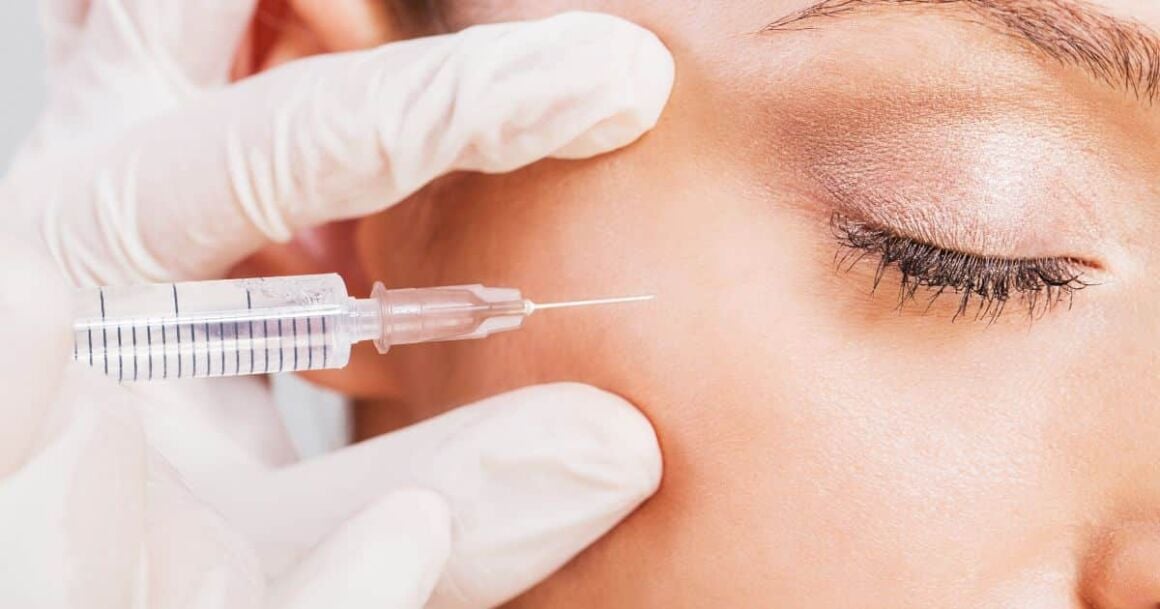
What is Dysport
When you’re researching cosmetic injectables, Dysport® (abobotulinumtoxinA) is another big name you’ll hear mentioned alongside Botox.
It’s also a prescription neurotoxin injection that, while used for years in other countries, received its official FDA approval for cosmetic use in the U.S. back in April 2009 to treat glabellar lines.
Like Botox, Dysport is a brand name for a purified form of botulinum toxin that works by temporarily relaxing or weakening the specific facial muscles that cause dynamic wrinkles. This softening of the muscle is what gives a more youthful, refreshed, and natural-looking appearance with little to no recovery time.
Common Cosmetic Uses for Dysport Include:
- Treating moderate to severe frown lines (those “11s” between the brows).
- Reducing the appearance of other facial wrinkles, such as horizontal forehead lines and crow’s feet around the eyes.
Medical Uses for Dysport: In addition to its popular cosmetic uses, Dysport is a powerful medical treatment for muscle-related conditions, such as cervical dystonia (abnormal head position and neck pain), and for muscle spasms and stiffness (spasticity) in the arms, hands, and legs.
The Real-World Pros and Cons of Dysport
When you’re comparing neurotoxins, it’s helpful to see a clear list of pros and cons. Here’s my honest, no-fluff breakdown of Dysport based on my experience and research.
PROS of Dysport
- Faster Onset of Results: This is Dysport’s most significant and most well-known advantage. If you’re impatient (like me!) or have an event coming up, Dysport is fantastic. You’ll often start to see results in just 2-3 days, whereas Botox can take 5-7 days (or more) to “kick in.”
- Great for Large Areas (Wider Diffusion): Because its molecules are smaller, Dysport is designed to “diffuse” or spread out a bit more.
A skilled injector loves this for treating broad areas, such as horizontal forehead lines. It can create a very smooth, seamless, and natural-looking result across a larger surface.
CONS of Dysport (The Trade-Offs)
- That “Spread” is Less Precise: This is the direct flip side of the “pro.” Because it spreads more, most injectors find it less ideal for small, tricky areas.
For crow’s feet (where you don’t want the product to migrate toward your eye) or vertical lip lines, many injectors prefer the precision of Botox, which tends to stay exactly where it’s put. - May Have a Slightly Shorter Lifespan: This is very subtle, and you might not even notice it. Both products have an average longevity of 3-4 months.
However, in my personal experience (and many others report this, too), I feel that my Botox may last just a tad bit longer.
Myths That Aren’t Really Pros or Cons of
You’ll see these two points debated all the time, but in my experience, they are myths:
- MYTH: “Dysport costs less.” As we covered in the cost section, this is not really true. The price per unit is cheaper, but you need about 3x as many units to get the same result.
The final total treatment cost for your frown lines will be almost identical. - MYTH: “Dysport looks more natural.” A “natural-looking” or “frozen” result has nothing to do with the brand and everything to do with your injector.
A great injector will make you look refreshed with either product. A bad injector can freeze your face with either one. This is not a pro of Dysport; it’s a pro of finding an amazing provider.

The Real-World Differences: Dysport vs Botox
After doing a ton of research and trying both neurotoxins myself, I’ve concluded that the differences are pretty slight. When it’s time to choose, it really boils down to your personal preference and, most importantly, your injector’s comfort level and recommendation.
But there are a few key differences in the formulas that affect how they’re used.
Here’s a simple breakdown of Dysport vs Botox:
1. The “Spread” (Diffusion & Target Area)
This is probably the biggest practical difference. It all comes down to molecular size and diffusion (or “spreadability”).
- Botox: Has a larger molecule, so it tends to stay exactly where it’s injected. This makes it a fantastic, precise choice for small, targeted areas where you need to be very specific, like crow’s feet (so it doesn’t spread toward your eye) or vertical lip lines.
- Dysport: Has smaller molecules, so it’s designed to diffuse or “spread” out more over a wider area.
Many injectors love this for treating broad, flat areas like forehead lines because it can create a very smooth, seamless result, sometimes with fewer injections (pokes).
The Speed (Onset of Results) Dysport vs Botox
This is a big one for anyone who’s impatient (like me!). If you have an event coming up, this might be your deciding factor.
- Dysport: This is the clear winner on speed. I, and many others, notice results starting to “kick in” in just 2-3 days.
- Botox: This one takes a little more patience. You’ll typically start to see results in 5-7 days, with the full, final effect taking up to two weeks.
The Dosage: Dysport vs Botox
This is the part that confuses everyone, especially when looking at cost. Please don’t let the “price per unit” fool you.
Botox and Dysport are dosed differently—you cannot swap them one-for-one. The general rule is the 3:1 ratio: 3 units of Dysport = 1 unit of Botox.
This does not mean you get more product or more “pokes” with Dysport. It just means the measurement is different.
The Cost of Dysport Vs. Botox (And That Confusing Unit Price)
Okay, let’s break down the most confusing part of this whole debate: the cost.
When you first look at a clinic’s pricing, it can be really misleading. You’ll see prices that look something like this:
- Botox: $10 – $15 per unit
- Dysport: $4 – $8 per unit
Your first thought is, “Wow, Dysport is so much cheaper!” But here’s the secret: the price per unit is not the same as the total cost of your treatment.
The reason for the price difference is that the neurotoxin formulas are diluted differently. You need more units of Dysport to get the exact same effect as fewer units of Botox.
Let’s Do the Math (The 3-to-1 Rule)
The general unit conversion that most injectors use is 3:1 (Dysport to Botox). This means to treat the same set of glabellar lines (“11s”), you would need:
20 units of BOTOX or 60 units of DYSPORT
Now, let’s look at the total cost using an average price:
- Botox: 20 units x $12/unit = $240
- Dysport: 60 units x $4/unit = $240
See? The final price for your treatment ends up being almost identical.
Of course, the final price will always vary based on your location, your injector’s experience, and how many treatment areas you’re doing.
The Bottom Line: The total cost difference between Dysport and Botox is usually not a significant factor. Don’t let the “cheaper” unit price be your deciding factor! Instead, focus on finding a provider whom you trust, and they will create the right treatment plan for you.

Potential Side Effects of Both Dysport vs Botox
Like all medical treatments, both Botox and Dysport carry the risk of potential side effects.
Some common side effects of Botox and Dysport include:
- Bruising or redness at the injection site
- Headache
- Mild pain or discomfort
- Swelling or tenderness at the injection site
- Temporary muscle weakness or paralysis
- Drooping of the eyelid or eyebrow
- Dry eyes or excessive tearing
- Flulike symptoms, such as fever or nausea
In rare cases, more serious side effects may occur, such as an allergic reaction, difficulty breathing, or difficulty swallowing.
To minimize the risk of side effects, it’s important to choose a qualified healthcare professional who has experience with the injection technique and who can ensure the safe and effective use of the products.
Additionally, it’s important to follow any instructions given by the healthcare professional before and after the treatment, such as avoiding certain medications or activities that may increase the risk of bruising
My Personal Experience: Dysport vs. Botox
I have been a loyal Botox user for my glabellar lines (those “11s” between the brows) for about 20 years. But a few months ago, my injector recommended I give Dysport a try, so I did.
After trying both, what’s my final verdict?
Honestly, for me, they are truly neck and neck. When it comes to the final look—that smooth, natural-looking, refreshed result—I think they are practically identical.
Both do a beautiful and effective job of relaxing the muscles and smoothing my forehead wrinkles.
Where I did notice a clear difference was in the onset of results. The buzz is true: Dysport works faster. I noticed it “kicking in” and smoothing things out by day 2 or 3, which was fantastic.
Botox (in my experience) usually takes about 5-7 days to really start working.
Now, let’s talk about longevity. This is where I’ve waffled back and forth, but here’s my most recent, honest take.
I feel that my Botox may last just a tiny bit longer. We’re not talking weeks; I mean it might last a tad bit longer right at the very end of that 3.5 to 4-month window.
It’s a very slight difference and, for me, doesn’t really change the game.
As for the cost, my experience was that it ended up being exactly the same. Because the dosing is different (you need more Dysport units to get the same effect as Botox), we had to do a small touch-up at my follow-up appointment to get the conversion just right.
This is very common when switching neurotoxins. Once we had the right dose, the final price was a total wash.
So, my final verdict is that they are both excellent —you can’t go wrong with either!
Tips and Tricks Before Getting Botox or Dysport
- Go to an experienced injector! Go to a board-certified dermatologist’s office, a plastic surgeon’s office that is a member of the American society of plastic surgeons, or at the very least to an injector that has done work on a trusted friend and you like the results.
- Never, ever buy a Botox or Dysport package on Groupon! Don’t do it.
- Do your research on the doctor’s office you plan to visit for Botox injections. Read the online Yelp reviews thoroughly. (not just the reviews they have on their website)
- Make sure your injector is experienced! Ask them how many years of experience they have. (I would suggest at least 2 years of experience)
- If you’ve never had Botox or Dysport before, start slow. You can always go back for more. 🙂
If you want to learn more about Botox and why I’ve been having Botox injections for over 20 years, hop over to this article. 🙂
Related Articles for Women 40+
- The Benefits of Chemical Peels
- How to Age Gracefully and look your best!
- The Best Primer for Mature Skin
- The Best Dermal Fillers for Over 50
- How to Look + Feel Sexy Over 60
- My Fav Lipsticks for Older Women
- The Best CC Creams for Mature Skin
- The Benefits of Botox Injections
- The Best Anti-aging Lip Treatments
- The Best Foundations for Older Women
- Morning Skincare Routine for Mature Skin
- The Absolute Best Anti-aging Treatments
- The Ordinary Anti-aging Skincare
- Best Morning Skincare Routine for Mature Skin
Your Top Dysport vs. Botox Questions, Answered
These are the exact questions I had before my first appointment! Let’s clear them all up.
So, let’s cut to the chase: Is Dysport better than Botox?
Honestly, one is not “better” than the other—they are just slightly different. Think of it like Coke vs. Pepsi. Both are neurotoxins (specifically, Type A botulinum toxin) that do the same job: they relax the muscle that’s causing the dynamic wrinkle.
The “best” one often comes down to your injector’s preference and your specific goals. As I mentioned, the most important choice is your injector, not the product.
What’s the biggest difference between Dysport and Botox?
The main difference is in the formula’s molecular size. Dysport has smaller molecules, which means it tends to “spread” or diffuse a bit more than Botox.
This can be a great thing! For a large area like forehead lines, some injectors prefer Dysport because it can create a very smooth, natural-looking result with fewer pokes.
For a small, very specific area (like a “lip flip”), many injectors prefer the precision of Botox because it’s less likely to spread where it isn’t wanted.
Does Dysport work faster than Botox?
Yes, this is one of the most well-known differences (and it matches my personal experience!). Dysport typically starts to “kick in” and show results in just 2-3 days.
Botox is a little slower, usually taking about 5-7 days to start working and up to 2 weeks to reach its full effect.
So, if you’re trying to get refreshed for an event this weekend, Dysport is probably your best bet.
This is confusing: Why is Dysport so much cheaper per unit?
This is the most important question! Please read this before you go in for a treatment.
Yes, a single “unit” of Dysport is much cheaper than a “unit” of Botox. But—and this is a big but—they are not measured the same way. The formulas have different potencies, so you need more Dysport units to get the same result as Botox.
The general conversion ratio is 3:1 (Dysport to Botox). This means 60 units of Dysport is roughly equal to 20 units of Botox.
So, don’t let the “price per unit” fool you. When you do the math, the final cost for treating the same area (like your glabellar lines) is almost always identical.
Which one lasts longer?
This is the million-dollar question! Officially, most clinical studies and dermatologists will tell you that the longevity is very similar: 3 to 4 months for both.
In my honest review, this is 100% true. I get a solid 3.5 months of smooth results from both products. (maybe a smidge longer with Botox, but I’m talking just a smidge)
How long it lasts has much more to do with your personal metabolism, the area treated, and how many units you received than it does with the brand.
Which one will look more “natural”?
A “natural” or “frozen” look has nothing to do with the brand you choose and everything to do with your injector.
A skilled, experienced injector will use either product to give you a soft, refreshed, “natural-looking” result. A bad or over-aggressive injector can “freeze” your face with either one.
This is why I will always say: Choose your injector, not the injectable.
Related: Best Dermal Fillers for Mature Skin
Conclusion: Dysport vs Botox
So, what’s the final verdict in the big Dysport vs. Botox debate?
After trying both neurotoxin treatments, my honest review is that… they are remarkably similar. And that’s a good thing! Both are incredibly safe and effective botulinum toxin products that do a beautiful job of relaxing muscles and smoothing fine lines.
For me, the most noticeable difference was the onset of results. I personally found that Dysport “kicked in” a day or two faster than Botox, which I loved. However, when it comes to longevity and the final, natural-looking result, they were almost identical. Almost meaning Botox lasts a tad bit longer.
Here’s my most important piece of advice: Don’t stress too much about the brand. The real secret to a beautiful, natural result is not the product, but the injector.
Finding a skilled, certified dermatologist or nurse injector who understands facial anatomy and listens to your goals is everything. A great provider will know which cosmetic injectable is right for your specific needs, whether it’s treating deep-set frown lines or softening forehead lines.
I hope sharing my personal experience helps you feel more empowered and excited for your next step!
XO, Christine

I’ve been keeping it real since 1963. 😊
I’m a child of God, devoted wife, proud mama and grandma, full-time creative, domestic engineer, and passionate self-care enthusiast.
I’m purpose-driven and do my best to live each day with intention—whether shopping for treasures, painting in my art studio, digging in the garden, or cooking up something yummy for my family.
I’m always up for a good chat and love collaborating with fellow creatives and brands.
Let’s connect—don’t be shy!