The Best Nighttime Self-care Routine For Women Over 40+
A nighttime self-care routine can help you wind down, relax, and sleep better, and after 40, that gentle end-of-day ritual matters more than ever.
In this blog post, I will share why a nighttime self-care routine is essential, what to include in your bedtime routine, and my best tips for getting the most out of your self-care time.
This post may contain affiliate links. Click to visit policies and disclosures

Why a Solid Nighttime Self-Care Routine is Important
When we go to bed stressed or anxious, we often have trouble falling asleep and staying asleep.
This can lead to a vicious cycle of poor sleep, increased stress, and even more difficulty sleeping. A nighttime self-care routine can help break this cycle by allowing us to relax and unwind before bed.
The Benefits of a Nighttime Self-care Routine
- A good night’s sleep
- Can improve emotional health
- Helps physical health
- It helps us stay in the present moment
- Reduces stress levels
- Improves our mood
- It gives us a better start on the following day
What is a Nighttime Self-Care Routine?
A nighttime self-care routine is a set of habits and practices that you fold into your evening to promote relaxation, reduce stress, and prepare your mind and body for restful sleep.
This can include all kinds of activities, such as taking a warm bath or shower, reading a book, practicing deep breathing or meditation, using aromatherapy, or slipping into comfortable sleepwear.
Everyone’s nighttime self-care routine will look a little different, and finding what works best for you is the whole point.
Whether you keep it to a few simple habits or build a more elaborate ritual, taking time to care for yourself before bed can have a big impact on your physical, mental, and emotional health.

1. Take a Hot Bath or Shower
A hot bath or shower at the end of a long, stressful day can be incredibly therapeutic and relaxing.
It helps wash away the day’s stress, soothes sore muscles, and promotes better sleep.
To make your bath or shower even more enjoyable, try a few of these ideas:
- Add some Epsom salt or bubble bath
- Light some candles or use dim lighting to create a calming atmosphere
- Play soothing music or nature sounds to promote relaxation
- Try aromatherapy by adding essential oils to your bath water
- Use a loofah or body brush to exfoliate and invigorate your skin
- Do a face mask or a deep-conditioning hair mask
- Sip some herbal tea while you soak
- Read a good book or listen to a podcast
Related article: The Art of Bathing
2. A Solid PM Skincare Routine
Caring for your skin at the end of the day and before bed is essential for keeping your skin healthy and radiant.
It’s a great idea to do your PM skincare routine as early in the evening as possible, before you get too tired.
Nighttime Cleanse
Start by removing any makeup or impurities from the day with a gentle cleanser. This helps unclog your pores and lift away the dirt and oil that accumulated on your skin throughout the day.
Clarify
Next, apply a toner to help balance your skin’s pH levels and prep it for the next steps in your routine.
After toning, apply any treatments or serums, focusing on your areas of concern. This could include anti-aging products, acne treatments, or anything else you use to target specific skin issues.
Apply Serums
Serums are wonderful because you can handpick the ingredients your skin needs and customize your routine.
I currently use a vitamin C serum along with several serums from The Ordinary. I love their Buffet, Niacinamide, and Hyaluronic Acid formulas.
Retin-A or Retinol is the holy grail. If you are 35+, do yourself a big favor and get some Retin-A pronto. I use it 2 to 3 times a week, after serums and before moisturizing.
Moisturize
Apply a good quality moisturizer to hydrate your skin and lock in moisture. This is especially important during the colder months, when our skin can become dehydrated.
Eye Cream
Finally, don’t forget to apply eye cream to help combat dark circles, puffiness, and fine lines around the delicate eye area.
Related Article: The Best Nighttime Skincare for Mature Skin

3. Enjoy a Delicious Dinner (as early as possible)
Eating earlier in the evening can be an excellent choice for several reasons.
For one, it gives your body more time to digest before bed, which promotes better sleep and helps prevent indigestion. Eating early can also help regulate your metabolism and reduce the risk of weight gain.
When we eat later in the evening, our bodies have less time to digest before we sleep. This can lead to discomfort and even disrupt our sleep patterns.
Our bodies are designed to burn the most calories during the day, when we are most active. When we eat late at night, our bodies are less able to process those calories efficiently, which can add up over time.

4. Do What You Love to Relax and Unwind
Taking time to relax, unwind, and enjoy your evening before bed is essential for restful sleep and a good quality of life.
Folding a few relaxing evening activities into your routine can reduce stress and lift your whole mood.
Here’s a quick list of things you could do in the evening before bedtime:
- Take an evening walk, enjoy the fresh air, and clear your mind
- Have a cozy movie night with your favorite someone
- Create a relaxing ambiance with candles, soft lighting, and calming scents
- Call a friend or relative and catch up
- Do some gentle yoga or stretching to release tension
- Take a relaxing bath or shower to soothe your muscles and calm your mind
- Spend time reading a book or magazine
- Be creative: crochet, knit, paint, or draw. It’s so relaxing!
- Listen to calming music or a guided meditation
- Practice deep breathing or progressive muscle relaxation
- Cook a healthy, delicious meal to enjoy with loved ones or by yourself
- Spend quality time with your pet or loved ones to connect and relax
Related article: Need a new hobby? 50 Hobbies to try!
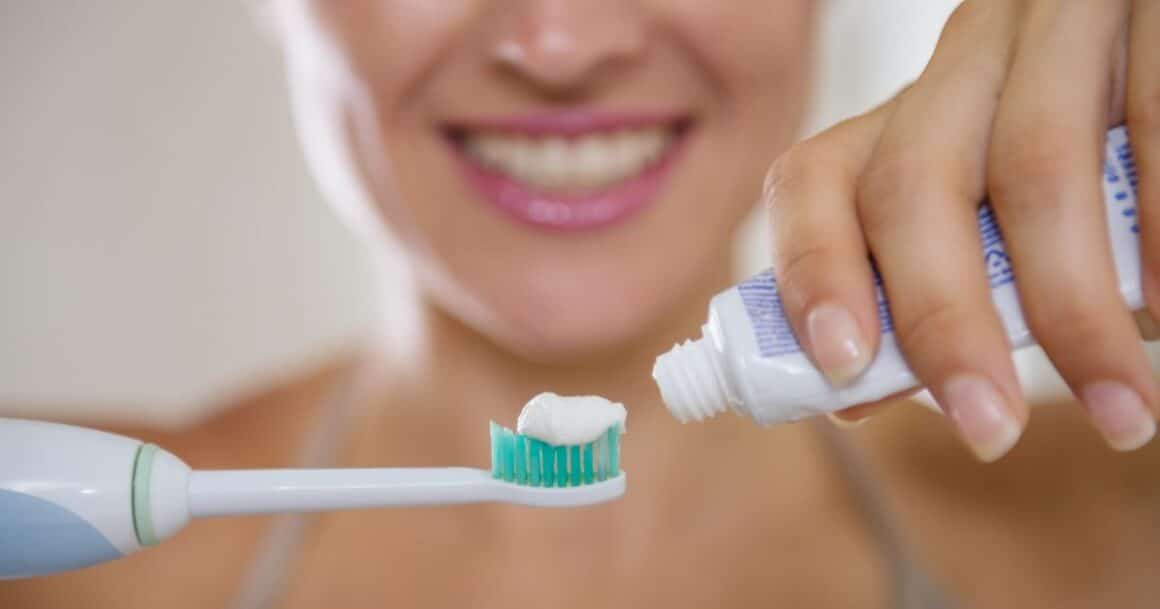
5. Take Care of the Pearly Whites.
A good nighttime self-care routine includes good oral hygiene. 🙂
Brush Teeth
Raise your hand if you use an electric toothbrush! Isn’t it the best?
Once you switch to electric, a regular toothbrush just won’t cut the mustard. I can never go back.
The best thing about my electric toothbrush is that it has a 2-minute timer and a quadrant reminder. It makes a little beep when it’s time to switch quadrants, so all four corners of your mouth get the same love. It’s genius!
Floss Teeth
Flossing is not my favorite way to spend my time. That said, it’s a necessary “evil.” Full disclosure: I don’t floss every single night. I wish I did, but I don’t. Do you?
Use a Water-Pik
In addition to flossing, I use a Waterpik. It’s the bomb, y’all! And I’m not talking about one of the old-school ones, no. Those are the worst.
I’m talking about the new and improved Cordless Waterpik. It’s cordless and waterproof, so you can use it in the shower, which I do. It’s rechargeable too. They cost around $50 and last forever.

6. Take Nighttime Supplements
Taking a nighttime supplement can be a lovely way to support your overall health and well-being.
Supplements designed for nighttime use can help promote restful sleep, ease stress, and support your health. As always, check with your doctor before starting anything new, especially if you take other medications.
Here are a few supplements that can be good to take at night:
Magnesium
Magnesium is a mineral that can help promote relaxation and improve sleep quality. Taking it at night can ease muscle tension and encourage a sense of calm.
Melatonin
Melatonin is a hormone that helps regulate your sleep-wake cycle. Taking a melatonin supplement at night can support restful sleep.
Ashwagandha
Ashwagandha is an adaptogenic herb that can help reduce stress and promote relaxation. Taken at night, it can encourage a sense of calm.
Valerian Root
Valerian root has been used for centuries to promote relaxation and improve sleep quality. Taken at night, it can help ease anxiety and support restful sleep.
Related Article: The Best Supplement for Women over 40

7. Focus on Gratitude.
Focusing on gratitude is one of the most effective ways to boost your mood, increase your happiness, and improve your overall well-being, and it is the perfect way to end the day.
When we focus on the positive things in our lives, we shift our perspective and feel more optimistic about the world.
One way to focus on gratitude is to keep a gratitude journal. Each evening, take a few minutes to write down what you are thankful for. It could be anything from a beautiful sunset to a kind word from a friend. Naming those good things helps us truly appreciate them.
Another way to practice gratitude is to pause each day and reflect on what you are thankful for. This could be through prayer, meditation, or simply taking a few deep breaths and settling into the present moment.
Related Article: How to Practice Gratitude Daily

8. Practice Good Sleep Hygiene
Good sleep hygiene is essential for a restful, rejuvenating night’s sleep.
Weaving good sleep hygiene into your nighttime self-care routine helps signal to your body that it’s time to wind down and prepare for sleep.
To promote good sleep hygiene, try these ideas on a regular basis:
- Limit exposure to electronic devices, including phones, tablets, and laptops, for at least an hour before bed
- Dim the lights or use a soft lamp to create a calming atmosphere
- Avoid caffeine or alcohol before bed
- Take a warm bath or shower to relax your muscles
- Have a cup of tea. Chamomile is an excellent choice for relaxing
- Try gentle yoga, stretching, meditation, and deep breathing to calm your nervous system
- Use aromatherapy, such as lavender essential oil, to promote calm
- Keep your bedroom cool (I keep mine at 69 degrees!) and dark
- Go to bed at the same time each night
Related article: The Benefits of Daily Meditation for Women
9. Nighttime Meditation for Sleep
When it’s time to wind down, I love to get cozy and enjoy a calming 20-minute nighttime meditation. The meditation, plus the noise-canceling feature on my earbuds, truly helps me drift off to sleep more quickly.
I use my Calm or Insight timer apps for my nighttime meditation for sleep.
Related article: The Best Self-care Apps for Women
Menopause, Hormones, and Sleep
Here’s something I wish someone had told me sooner. If you are in your 40s or 50s and your sleep has gone sideways, your hormones may be a big part of the story.
As estrogen and progesterone decline during perimenopause and menopause, sleep often takes a hit. Hot flashes and night sweats can wake us up again and again, and rising stress hormones can leave us lying there wide awake at 2 a.m., staring at the ceiling. If that sounds familiar, you are truly not alone. More than half of women in menopause deal with some kind of sleep disruption.
The good news is that a consistent nighttime self-care routine matters even more during this season, not less. Keeping your bedroom cool, skipping the late glass of wine, moving your body earlier in the day, and calming your mind before bed can all take the edge off. A moisture-wicking sleep set and a fan within arm’s reach are small changes that make a real difference on hot-flash nights.
If poor sleep is really wearing you down, please talk with your doctor. There are more options than ever, from lifestyle tweaks to hormone therapy. I shared my own experience in my story with bioidentical hormone pellets, and you can find more in my menopause articles.
Related article: My Story with Bioidentical Hormone Pellets (BHRT)
My Sample Wind-Down Timeline
I’m a big believer that a routine only works if it’s easy to actually follow. Here’s a loose look at how my evenings tend to flow. Feel free to borrow it and make it your own.
- 6:30 p.m. Dinner is done and the kitchen is tidied up
- 8:00 p.m. PM skincare routine, before I get too sleepy to bother
- 8:30 p.m. Lay out tomorrow’s outfit and jot a quick to-do list
- 9:00 p.m. Herbal tea and a good book, or a cozy show with my sweetheart
- 9:45 p.m. Devices off, lavender on the pillow, lights dimmed low
- 10:00 p.m. Cozy in bed for a 20-minute nighttime meditation
The exact times matter far less than the rhythm. When your body knows what’s coming, it starts winding down all on its own.
Extra Tips for a Successful Nighttime Self-Care Routine
Run a Humidifier in Your Bedroom
Consider running a humidifier in your bedroom. It can help promote healthy skin, ease respiratory issues, and create a more comfortable sleep environment. And your plants will be happier too!
Related Article: The Best Humidifiers for Plants and People too!
Wear Socks to Bed
Wearing socks to bed might seem like a small thing, but it can make a big difference. Cozying up your feet helps regulate your body temperature, which signals your brain that it’s time to sleep.
This simple trick can help you fall asleep faster and enjoy deeper, more restful sleep.
Socks at bedtime also work wonders for dry, cracked feet. Apply your favorite moisturizer, slip on a pair of soft socks, and wake up with smoother, softer skin. It’s an easy, nurturing habit that supports better sleep and boosts circulation, all from slipping on a pair of socks.
Wear Blue Light Blocking Glasses at Night
Using blue light blocking glasses at night is a simple but powerful self-care habit.
Blue light from phones, tablets, computers, and TVs can interfere with your body’s natural production of melatonin, the hormone that helps you fall and stay asleep.
By wearing blue light blocking glasses in the evening, you reduce your exposure to that stimulating light and help your brain wind down naturally.
The result? Better sleep quality, an easier time falling asleep, and a more refreshed feeling in the morning. Over time, this small habit can support your overall wellness, improve your mood, and even help with eye strain and headaches.
Related: The benefits of blue-light-blocking glasses
Set Out Tomorrow’s Outfit
Setting out your outfit for the next day is one of the best ways to jump-start your morning routine.
Write a To-Do List for the Next Day
Reviewing your schedule for the following day is one of the best things you can do to quiet your mind before sleep.
Journal
Write in a journal to reflect on your day and release any stress or anxious thoughts before bed.
Add White Noise
One of the main benefits of white noise is that it can help block out unwanted sounds, such as traffic, neighbors, or a snoring partner.
By masking those sounds with steady background noise, white noise can help create a more relaxing, peaceful sleep environment.
White noise can also have a calming effect on both the mind and body. That consistent, soothing sound can help reduce stress and anxiety, encouraging relaxation and better sleep quality.
Use Lavender
Add lavender essential oil to the mix by spraying it onto your pillow or using a diffuser to promote relaxation and restful sleep.
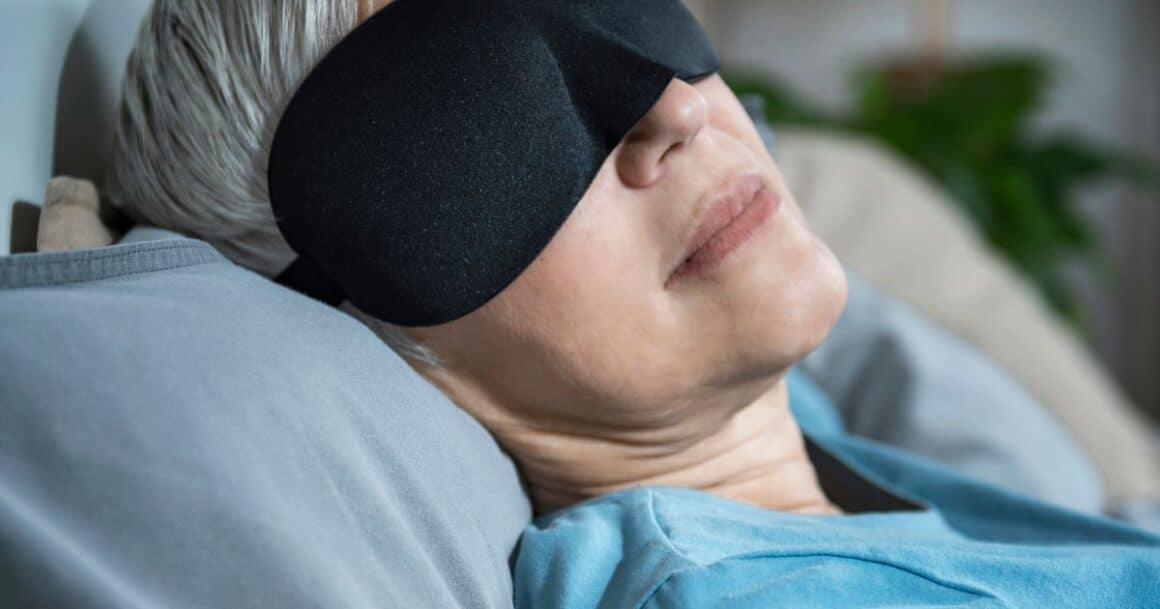
Wear a Sleep Mask
Wearing a sleep mask may seem like a small thing, but it can significantly improve the quality of your sleep.
A sleep mask can help block out unwanted light, creating a more restful sleep environment.
Related Self-Care Articles
- The Eight Types of Self-care
- Super Cozy Fall Self-Care Ideas
- Physical Self-Care Tips for Older Women
- The 6 Pillars of Health for Women
- Self-Care Ideas for Women
- How to Reinvent Yourself at 50
- 75 Be Kind To Yourself Quotes
- 100 Things to Put in Your Purse
- How to Practice Spiritual Self-care
- Self-care for Mental Health
- 26 Ways to Practice Self-care
- 100 Things Every Woman Should Own
- How to Cultivate Gratitude
- Daily Journaling Prompts
FAQs: Nighttime Self-Care Routine (Women Over 40+)
What are some essential nighttime self-care practices for women in their 40s and 50s?
Prioritize a skincare routine tailored to mature skin, hydrating masks, and gentle cleansing to care for signs of aging. A warm bath, a few calming supplements, and a wind-down ritual round it out beautifully.
How does sleep impact self-care for women over 40 or 50?
Quality sleep is the foundation of overall well-being. A relaxing bedtime routine can improve sleep quality and help you feel rejuvenated. This matters even more during perimenopause and menopause, when hormone shifts often disrupt sleep.
What role does nutrition play in nighttime self-care for women in their 40s and 50s?
Eating balanced meals and avoiding heavy foods close to bedtime can aid digestion and promote better sleep. Magnesium-rich foods like nuts and leafy greens can also help relax your muscles.
How can women over 40 or 50 manage stress before bedtime?
Relaxation techniques such as meditation, deep breathing, or gentle yoga can ease stress and prepare your mind for sleep.
Is it beneficial to use specific sleep aids for women in their 40s and 50s?
Occasional use of natural sleep aids like herbal teas or supplements may help, but it’s essential to check with your doctor before adding them to your routine.
What are some effective ways to wind down before bedtime for women over 40 or 50?
A calming pre-sleep ritual, such as reading a book, taking a warm bath, or practicing gratitude journaling, signals to your body that it’s time to relax.
How can women over 40 or 50 create a good sleep environment?
Optimize your bedroom for rest with a comfortable mattress and pillows, controlled noise and light, and a cool temperature. If hot flashes are an issue, a fan and moisture-wicking bedding are game changers.
Are there specific exercises or stretches beneficial for nighttime self-care in women over 40 or 50?
Gentle stretching or restorative yoga poses can help release the tension that builds up over the day and promote relaxation before bed.
Should women over 40 or 50 limit screen time before bed?
Yes. Exposure to blue light from electronic devices can disrupt your natural sleep-wake cycle. To improve sleep quality, minimize screen time at least an hour before bed.
How can women over 40 or 50 add mindfulness to their nighttime self-care routine?
Mindfulness techniques such as body scans or progressive muscle relaxation help you tune in to your body and thoughts, encouraging deeper relaxation and better sleep.
Final Thoughts: Nighttime Self-care Routine for Women
Folding a nighttime self-care routine into your daily life can profoundly impact your overall well-being.
From taking a warm bath to practicing deep breathing or meditation, these nighttime self-care ideas can help promote relaxation, reduce stress, and prepare you for a restful night’s sleep.
By prioritizing your self-care routine before bed, you support your physical, mental, and emotional health, and wake up feeling more refreshed and energized each morning.
Until next time, take good care of yourself!
XO, Christine

I’ve been keeping it real since 1963. 😊
I’m a child of God, devoted wife, proud mama and grandma, full-time creative, domestic engineer, and passionate self-care enthusiast.
I’m purpose-driven and do my best to live each day with intention—whether shopping for treasures, painting in my art studio, digging in the garden, or cooking up something yummy for my family.
I’m always up for a good chat and love collaborating with fellow creatives and brands.
Let’s connect—don’t be shy!