The Best Skincare Products for Menopausal Skin 2026
The best skincare products for menopausal skin aren’t just about fighting wrinkles. It’s about understanding what’s actually happening inside your skin and choosing products that work with your biology, not against it.
As a former spa director and Clinique makeup artist and a post menopausal woman myself, I understand skin changes during menopause. And I can tell you, the right products make a world of difference!
n this complete guide, I’m breaking down everything you need to know about menopausal skincare, from what causes the changes to the best skincare products for menopausal skin in every category, including cleansers, serums, moisturizers, eye creams, and SPF.
I’m also covering the three different approaches to estrogen skincare so you can find the right fit for your skin and your lifestyle.
Let’s get your skin glowing again!
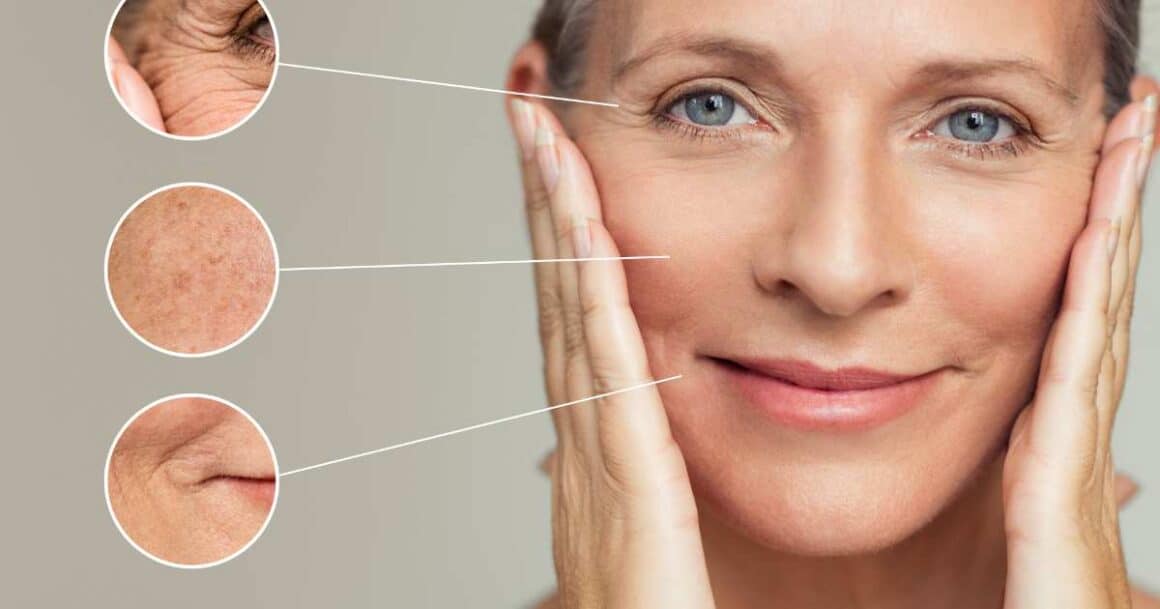
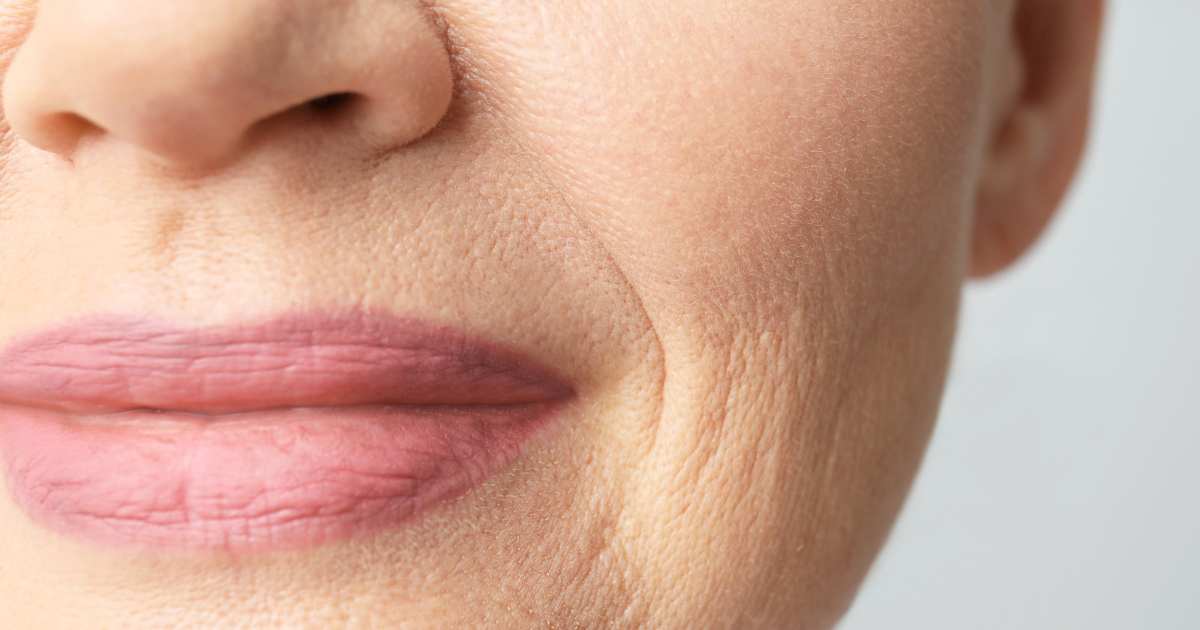
What Happens to Your Skin During Menopause and Why Your Skincare Needs to Change
Before we talk products, it helps to understand why your skin is changing in the first place.
Estrogen plays a huge role in keeping skin firm, hydrated, and healthy. It stimulates collagen and elastin production, helps skin retain moisture, and keeps the skin barrier strong. When estrogen levels drop during perimenopause and menopause, the skin feels the impact almost immediately.
This is what’s known as Estrogen-Deficient Skin (EDS), and it’s incredibly common. Women lose up to 30% of their skin’s collagen in the first 5 years after menopause, with an additional 2% lost each year thereafter.
Common Symptoms of Menopausal Skin:
- Increased dryness and dehydration
- Sagging skin and loss of firmness
- Deeper fine lines and wrinkles
- Skin thinning and fragility
- Dullness and uneven skin tone
- Dark spots and hyperpigmentation
- Itching or skin sensitivity
- Slower wound healing
The good news? The right menopausal skincare routine can make a significant difference. Here’s exactly what to look for.
Related article: My BHRT Story: Bioidentical Hormone Pellets
The Three Approaches to Estrogen Skincare for Menopausal Skin
One of the most exciting developments in menopausal skincare right now is the growing number of products specifically targeting estrogen-deficient skin.
They fall into three categories, and understanding the difference will help you choose what’s right for you.
1. Non-Hormonal MEP Technology
MEP Technology (Methyl Estradiolpropanoate), found exclusively in Emepelle products, works by activating the skin’s own estrogen receptors without introducing hormones into the body.
It mimics the way estrogen communicates with skin cells, encouraging them to produce more collagen and hyaluronic acid on their own. No prescription needed, safe for all skin types, and can be used whether or not you’re on Hormone Replacement Therapy (HRT).
2. Phytoestrogens (Plant-Based Estrogens)
Phytoestrogens are plant-derived compounds that mimic estrogen’s effects on the skin. Brands like Paula’s Choice and No7 use ingredients like soy isoflavones to gently stimulate estrogen receptors in the skin.
These are available over the counter, require no prescription, and are considered very safe for most women. They’re a gentler, more accessible option for women in the earlier stages of perimenopause or those who prefer a clean, plant-based approach.
3. Topical Estriol (Prescription Estrogen)
Topical estriol is a mild, naturally occurring form of estrogen applied directly to the face. Brands like Alloy offer estriol-based skincare through a simple online prescription process.
Unlike systemic estrogen, topical estriol stays on the surface of the skin, and research shows it does not significantly raise hormone levels in the bloodstream, making it a safe option for most women.
It requires a prescription consultation, but many women report some of the most dramatic visible results with this approach.
Always consult with your doctor or dermatologist before starting any prescription skincare, especially if you have a history of hormone-sensitive conditions.
Key Ingredients to Look for in Menopausal Skincare Products
Not all skincare ingredients are created equal for menopausal skin. Here are the powerhouse ingredients your routine should include:
MEP Technology
MEP Technology is one of the most targeted innovations in menopausal skincare today. Patented and exclusive to Emepelle, it’s clinically proven to reduce dryness, dullness, and skin laxity, and to improve the appearance of fine lines and wrinkles.
In a 14-week clinical study, participants saw a 54% increase in hydration, a 34% increase in luminosity, and a 19% improvement in firmness.
Estriol
Estriol is the gentlest of the three forms of estrogen the body naturally produces. When applied topically, it helps restore collagen production, skin hydration, and elasticity in menopausal skin without significantly affecting hormone levels in the bloodstream.
Available via prescription through telehealth platforms like Alloy.
Phytoestrogens
Phytoestrogens like soy isoflavones (daidzein and genistein) are plant-based compounds that gently activate estrogen receptors in the skin. Found in over-the-counter products from Paula’s Choice and No7, they’re a great entry point for addressing estrogen-related skin aging without a prescription.
Retinol
Retinol is the gold standard of anti-aging skincare. It accelerates cell turnover, boosts collagen production, improves skin texture, and reduces dark spots and hyperpigmentation.
Start with a low concentration and increase gradually as your skin adjusts.
Related article: How to Use Tretinoin with Moisturizer
Hyaluronic Acid
Hyaluronic acid is a must-have for menopausal skin. It’s a powerful humectant that draws moisture into the skin and helps it stay hydrated throughout the day.
Since estrogen-deficient skin loses its ability to retain moisture, hyaluronic acid helps fill that gap beautifully.
Peptides
Peptides are short chains of amino acids that signal the skin to produce more collagen. They help firm and plump the skin, improve skin elasticity, and reduce fine lines and wrinkles.
Gentle enough for even the most sensitive menopausal skin.
Vitamin C
Vitamin C is a powerful antioxidant that brightens the complexion, fades dark spots and hyperpigmentation, and supports collagen synthesis.
Apply in the morning before SPF for maximum antioxidant protection.
Niacinamide
Niacinamide (vitamin B3) brightens and evens skin tone, minimizes pores, strengthens the skin barrier, reduces redness, and improves skin texture. And it’s one of the most versatile and well-tolerated ingredients available for aging skin.
Ceramides
Ceramides are the natural lipids that form the skin’s protective barrier. They decrease with age and estrogen loss, leading to dryness, irritation, and increased sensitivity.
Look for ceramides in your cleanser, moisturizer, and night cream to help rebuild and protect the skin barrier.
Broad-Spectrum SPF
Broad-spectrum SPF is non-negotiable at every age, but especially for menopausal skin. Sun exposure accelerates collagen loss, worsens dark spots, and breaks down skin elasticity.
Apply SPF 30 or higher every single morning, rain or shine.
The Best Skincare Products for Menopausal Skin
Best Cleansers for Menopausal Skin
Cleansing is the foundation of any good skincare routine, but it’s especially important for menopausal and mature skin.
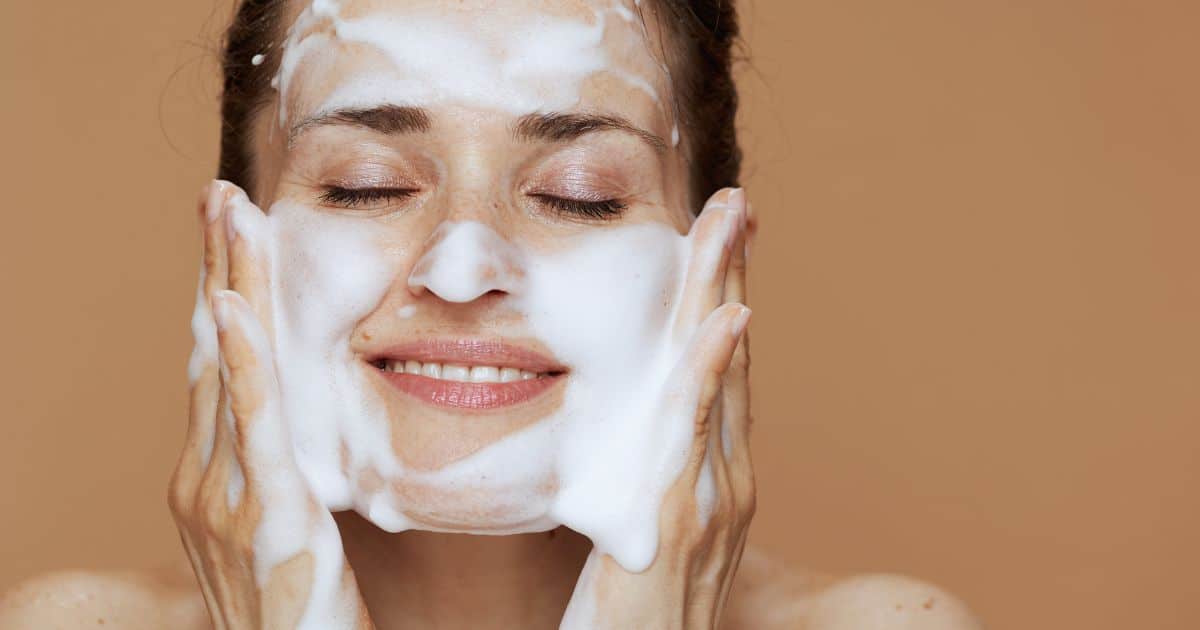
You want a gentle, hydrating cleanser that removes dirt, oil, and makeup without stripping the skin barrier or leaving the skin feeling tight and dry.
Avoid foaming cleansers with harsh sulfates, which can worsen dryness and sensitivity. Look for cream-to-foam or milky formulas with ceramides or hyaluronic acid instead.
I use and love CeraVe Hydrating Cream-to-Foam Cleanser. It’s gentle, dermatologist-recommended, and leaves skin clean without stripping it. Excellent for dry and mature skin.
What to look for:
- Hydrating, non-stripping formula
- Fragrance-free
- Contains ceramides or hyaluronic acid
- Suitable for dry or sensitive skin
Best Toners for Menopausal Skin
A good toner restores the skin’s pH balance after cleansing and preps skin to absorb your serums and moisturizers more effectively. Skip anything with high alcohol content, which can worsen menopausal skin dryness. Look for hydrating, soothing formulas with niacinamide, hyaluronic acid, or antioxidants.
This toner is still my go-to after years of trying different options and I highly recommend it!
Best Serums for Menopausal Skin
Serums deliver the most concentrated treatment ingredients and are the workhorse of any menopausal skincare routine. Here are the top options across all three estrogen approaches.
Emepelle Serum (Non-Hormonal MEP Technology)
The Emepelle Serum is one of the most targeted serums available for estrogen-deficient skin.
This lightweight, oil-free daily serum features MEP Technology alongside Vitamins C and E, Ferulic Acid, Niacinamide, Peptides, and Hyaluronic Acid to address the root cause of menopausal skin changes without hormones.
Key benefits:
- Targets EDS with patented MEP Technology
- Improves hydration, luminosity, and firmness
- Fast-absorbing and oil-free, layers beautifully under makeup
- Gluten-free and paraben-free
- No prescription needed
Alloy M4 Face Serum Rx (Prescription Estriol)
The Alloy M4 Face Serum Rx is a prescription-strength estriol serum formulated specifically for perimenopausal and menopausal skin.
It contains 0.3% estriol alongside peptides and hyaluronic acid to boost collagen production, restore elasticity, and deeply hydrate. In clinical studies, women using M4 products saw visibly firmer, smoother, and more radiant skin in just 12 weeks.
Key details:
- Contains 0.3% estriol plus peptides and hyaluronic acid
- Prescription required via easy online consultation at myalloy.com
- Clinically proven to rebuild collagen and restore skin elasticity
- Fragrance-free, safe to use alongside HRT
- Three-month supply per bottle
Paula’s Choice Clinical Phytoestrogen Elasticity Renewal Serum (OTC)
Paula’s Choice Clinical Phytoestrogen Elasticity Renewal Serum is one of the best over-the-counter options for addressing estrogen-related skin aging.
It uses plant-derived phytoestrogens (soy isoflavones) to gently activate estrogen receptors in the skin and help restore elasticity, firmness, and radiance without a prescription.
Key details:
- Uses daidzein and genistein (soy-derived phytoestrogens)
- No prescription needed, widely available OTC
- Fragrance-free and cruelty-free
- Pairs beautifully with retinol, vitamin C, and peptides
- Great starting option for early perimenopause or women who prefer plant-based skincare
Best Moisturizers for Menopausal Skin
Moisturizing twice daily is essential for menopausal skin. Use a lightweight formula during the day that layers well under SPF, and reach for something richer at night to support skin’s overnight repair and regeneration.
For daytime, I love CeraVe PM Moisturizing Lotion. (Yes, PM!) It’s lightweight, packed with ceramides and hyaluronic acid, and works beautifully under sunscreen.
CeraVe products are consistently recommended by dermatologists and deliver excellent results at an accessible price.
What to look for in a moisturizer for menopausal skin:
- Hyaluronic acid for deep hydration
- Ceramides to strengthen the skin barrier
- Peptides for firmness
- Niacinamide for brightness and even skin tone
- Fragrance-free for sensitive skin
Best Night Creams for Menopausal Skin
Your skin does its best repair work while you sleep, so your night cream is one of the most important products in your routine.
Look for richer formulas with retinol, peptides, and deeply hydrating ingredients that support collagen production and overnight cell renewal.
Emepelle Night Cream (Non-Hormonal MEP Technology)
The Emepelle Night Cream is specifically designed for women in menopause and perimenopause. It harnesses the skin’s nighttime repair cycle to restore vitality and luminosity to aging skin using MEP Technology alongside a powerful roster of anti-aging ingredients.
Key ingredients:
- MEP Technology to address EDS non-hormonally
- Retinol to reduce fine lines, wrinkles, and hyperpigmentation
- Niacinamide to brighten and even skin tone
- Peptides to improve skin laxity
- Hyaluronic Acid, Shea Butter, Grape Seed Oil, and Apricot Kernel Oil for deep hydration
Find Emepelle Night Cream on Amazon!
Alloy M4 Face Cream Rx (Prescription Estriol)
The Alloy M4 Face Cream Rx is Alloy’s hero product and has built a devoted following among women in perimenopause and menopause.
In a 2025 survey, 92% of M4 Face Cream users said they would recommend it to a friend because it delivered real, visible results.
Key details:
- Contains estriol, glycerin, vitamin E, and oleic acid
- Prescription required via telehealth consultation at myalloy.com
- Clinically proven to boost collagen, restore skin hydration, and improve elasticity
- Fragrance-free, safe alongside HRT
- Three-month supply per bottle
No7 Menopause Skincare Nourishing Overnight Cream (Drugstore)
For an affordable, accessible option, the No7 Menopause Skincare Nourishing Overnight Cream is a drugstore pick co-created with over 7,000 menopausal women.
It combines ceramides, hyaluronic acid, lipids, and soy isoflavone phytoestrogens to address dryness, dullness, and overnight loss of firmness.
Key details:
- Contains phytoestrogen soy isoflavones plus ceramides and hyaluronic acid
- Available at Target, Walgreens, and online. No prescription needed
- Budget-friendly entry point for a targeted menopausal skincare routine
- Co-created with 7,000 menopausal women
I also love CeraVe Skin Renewing Night Cream as an affordable option that delivers real results for mature skin.
Best Eye Creams for Menopausal Skin
The skin around the eyes is the thinnest and most delicate on the face, and menopausal skin changes hit this area hard. Look for eye creams with caffeine to reduce puffiness, peptides for firmness, and hyaluronic acid for hydration.
Emepelle Eye Cream (Non-Hormonal MEP Technology)
The Emepelle Eye Cream is one of the few eye creams on the market that directly addresses EDS. It reduces fine lines, wrinkles, dark circles, and under-eye puffiness with MEP Technology, Caffeine, Vitamin E, Peptides, and Hyaluronic Acid.
Dermatologist-tested, ophthalmologist-tested, fragrance-free, and suitable for all skin types.
Alloy M4 Eye Cream Rx (Prescription Estriol)
The Alloy M4 Eye Cream Rx targets the delicate eye area with 1% estriol combined with peptides to brighten, firm, and tighten.
It’s the highest estriol concentration in the M4 line and is specifically formulated for the thin, fragile skin around the eyes. Requires a prescription via myalloy.com.
Best Exfoliants for Menopausal Skin
Cell turnover slows significantly during menopause, which means dead skin cells pile up and leave the complexion looking dull.
Regular gentle exfoliation once or twice a week removes that buildup and allows your serums and moisturizers to penetrate more effectively.
For menopausal skin, stick to gentle chemical exfoliants like AHAs (lactic acid or glycolic acid) rather than harsh physical scrubs, which can irritate thinning skin.
Related article: The Best Face Exfoliators for Mature Skin
Best SPF for Menopausal Skin
Sunscreen is truly the most essential anti-aging product you can use, full stop. When it comes to menopausal skin, opt for a broad-spectrum SPF 30 or higher that also hydrates and sits beautifully under makeup.
Tinted formulas not only provide a lovely glow but also help protect your skin, making your skincare routine both effective and enjoyable.
Apply every single morning as the last step of your skincare routine, even on cloudy days and near indoor windows.
Sun damage accelerates collagen loss, worsens dark spots, and breaks down skin elasticity, all of which are already compromised by menopause.
Which Estrogen Skincare Approach is Right for You?
Not sure where to start? Here’s a quick breakdown:
Emepelle (MEP Technology) is best if you want a clinically proven, non-hormonal option that requires no prescription. Safe for all skin types and easy to layer into any skincare routine.
No7 Menopause Skincare is best if you want an affordable drugstore option with targeted menopausal skincare formulas. Widely available and easy to find.
Alloy M4 (Estriol) is best if you want the most targeted, prescription-strength approach using actual topical estriol. The online consultation is simple and quick, and the results are impressive.
Visit myalloy.com to get started.
A Simple Menopausal Skincare Routine
Here’s how to put it all together:
Morning Routine for Menopausal Skin
- Gentle cleanser (like CeraVe Hydrating Cream-to-Foam)
- Toner (like this favorite)
- Serum (Emepelle Serum, Alloy M4 Serum, or Paula’s Choice CLINICAL Phytoestrogen Elasticity Renewal Face Serum)
- Eye cream (Emepelle or Alloy M4 Eye Cream)
- Moisturizer (like CeraVe PM Lotion)
- Broad-spectrum SPF 30+
Evening Routine for Menopausal Skin
- Gentle cleanser
- Toner
- Retinol serum or treatment
- Eye cream
- Night cream (You may love CeraVe Night Cream)
- Exfoliate 1 to 2 times per week in place of the serum step
Related article: Morning Skincare Routine for Mature Skin
FAQs: Best Skincare for Menopausal Skin
What is the best skincare routine for menopausal skin?
The best menopausal skincare routine includes a gentle cleanser, hydrating toner, targeted serum with MEP Technology, phytoestrogens, estriol, or retinol, eye cream, rich moisturizer, and SPF every morning.
At night, swap SPF for a retinol- or peptide-rich night cream to support overnight collagen production and skin repair.
What causes skin to change during menopause?
When estrogen levels drop during perimenopause and menopause, the skin loses its ability to produce collagen and elastin at the same rate.
This leads to Estrogen-Deficient Skin (EDS), which presents as dryness, sagging, fine lines, dullness, and skin thinning. Women can lose up to 30% of their skin’s collagen in the first five years after menopause.
What is the difference between MEP Technology, phytoestrogens, and topical estriol?
These are three different approaches to addressing estrogen-deficient skin.
MEP Technology (Emepelle) is non-hormonal and activates estrogen receptors without adding hormones.
Phytoestrogens use plant-derived compounds from soy to gently mimic estrogen’s effects and are available over the counter.
Topical estriol (Alloy M4) uses a mild, naturally occurring form of estrogen and requires a prescription. All three can be effective for menopausal skin, and the right choice depends on your health history and skincare goals.
Does Alloy M4 require a prescription?
Yes. Alloy M4 requires a prescription, and a menopause-trained doctor will review your medical history to determine if it is right for you.
The process is simple, done entirely online at myalloy.com, and can often be combined with other Alloy HRT services.
Is retinol safe to use during menopause?
Yes, and it’s highly recommended. Retinol boosts cell turnover, stimulates collagen production, fades dark spots, and improves skin texture.
Since menopausal skin can be more sensitive, start with a low-strength formula and work up gradually. Always follow with moisturizer and wear SPF daily when using retinol.
Can I use estrogen skincare products if I’m already on HRT?
Generally yes, but always check with your doctor first. Emepelle is non-hormonal and safe to use alongside HRT.
Topical estriol products like Alloy M4 have been shown in studies to stay localized on the skin without significantly affecting systemic hormone levels, but your doctor or dermatologist should be part of that conversation, especially if you have a history of hormone-sensitive conditions.
What skincare ingredients should I avoid with menopausal skin?
Avoid harsh sulfate cleansers that strip the skin barrier, high-alcohol toners that worsen dryness, and heavily fragranced products that irritate sensitive menopausal skin.
Be cautious with strong exfoliants if your skin is already thin or reactive.
How long does it take to see results with menopausal skincare?
Most women notice improvements in skin hydration and texture within 2 to 4 weeks. More significant improvements in firmness, fine lines, and luminosity typically become visible after 8 to 12 weeks of consistent use.
Alloy M4 clinical studies showed visible results within 12 weeks. Consistency is everything.
Is sunscreen really necessary every day for menopausal skin?
Absolutely, and it’s non-negotiable. Sun damage accelerates collagen loss, worsens dark spots, and breaks down skin elasticity, all of which are already compromised during menopause.
Broad-spectrum SPF 30 or higher every morning is the single most effective anti-aging habit you can build.
What is the best moisturizer for menopausal skin?
Look for a moisturizer with ceramides, hyaluronic acid, and peptides for maximum hydration and skin barrier support.
CeraVe is a fantastic dermatologist-recommended option at an accessible price. For a more targeted approach, Emepelle Night Cream addresses the root cause of EDS with MEP Technology, retinol, and peptides.
Skincare + Beauty
- Morning Skincare Routine for Mature Skin
- The Best Primer for Mature Skin
- The Best Face Wash for Dark Spots
- Best Mascara for Thinning Eyelashes
- How to Look and Feel Sexy After 60
- Why Exfoliate? Everything you need to know
- The Best Anti-aging treatments today
- The Benefits of Botox for anti-aging
- Dysport Vs. Botox
- My Favorite Lipsticks for Older Gals
- The Best Derma fillers for over 50
Conclusion: Best Skincare Products for Menopausal Skin
Skincare for menopausal skin doesn’t have to be overwhelming, but it does need to be intentional. Your skin is going through a real biological shift, and the right products with the right ingredients can make an incredible difference in how you look and feel every single day.
Whether you choose the non-hormonal route with Emepelle’s MEP Technology, a gentle plant-based approach with phytoestrogens, an accessible drugstore option from No7, or the prescription-strength power of Alloy M4 estriol, there is an approach out there that is right for your skin and your lifestyle.
Start with the basics: a gentle cleanser, a targeted serum, a good moisturizer, an eye cream, and SPF every single morning. Then layer in the estrogen-targeting ingredients that make sense for you.
Your skin is worth the investment, and so are you! If you have any questions or want to share what’s working for your menopausal skincare routine, drop a comment below.
I always love hearing from you!
Take good care of that beautiful skin!
XO, Christine

I’ve been keeping it real since 1963. 😊
I’m a child of God, devoted wife, proud mama and grandma, full-time creative, domestic engineer, and passionate self-care enthusiast.
I’m purpose-driven and do my best to live each day with intention—whether shopping for treasures, painting in my art studio, digging in the garden, or cooking up something yummy for my family.
I’m always up for a good chat and love collaborating with fellow creatives and brands.
Let’s connect—don’t be shy!
Sources: