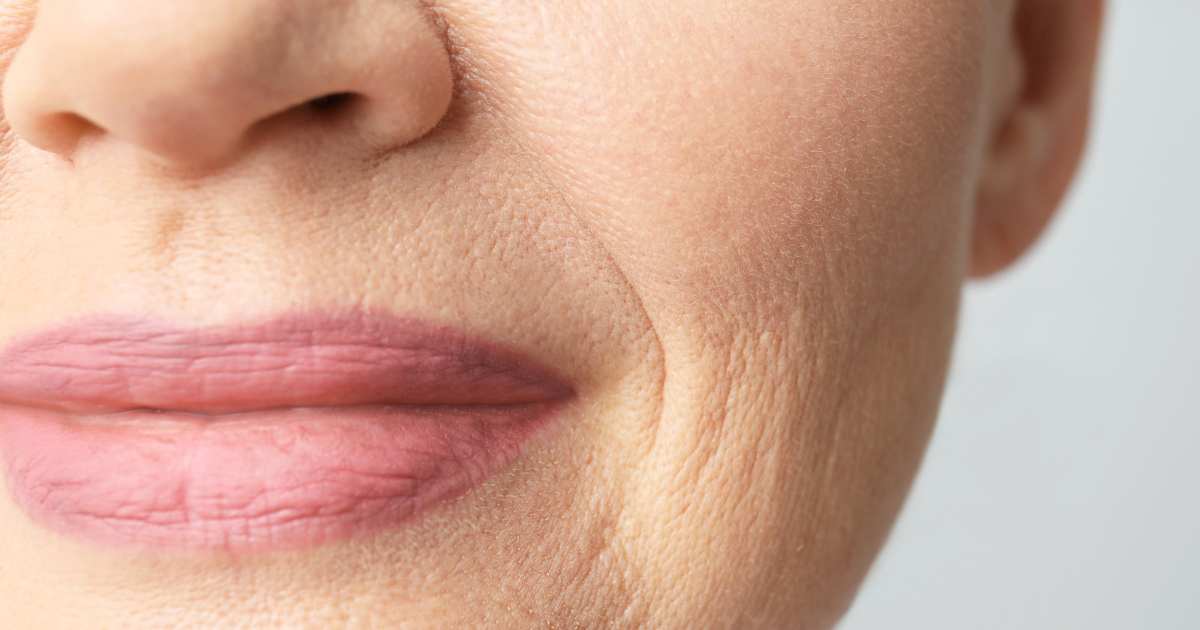
How to Improve Knee Wrinkles with These 27 Treatments
Welcome to my article about how to get rid of knee wrinkles (of all things!) Knee wrinkles sneak up on you. One day you’re slipping on a sundress without a second thought, and the next you’re doing a double-take in the mirror, wondering when that happened.
If you’ve noticed crepey skin, sagging, or wrinkles around your knees lately — welcome to the club, friend. It’s one of those midlife changes that doesn’t get nearly enough airtime, and yet so many of us are quietly Googling it at 11 pm.
With lots of experience in the beauty and skincare industry over the years, and being in my 60s myself, I’ve got plenty of firsthand experience with the very changes I write about. Knee wrinkles included.
The good news? There is a lot you can do. Whether you want to start with simple at-home remedies or you’re curious about professional treatments, this guide covers all the best options for reducing knee wrinkles and saggy skin from retinol body lotions and dry brushing to RF microneedling, dermal fillers, and beyond.
This post may contain affiliate links. Click to visit policies and disclosures

What Causes Knee Wrinkles and Saggy Skin?
Before we talk about solutions, it helps to understand why knee wrinkles happen in the first place. The skin around the knee is uniquely vulnerable; it’s thin, constantly in motion, and doesn’t have the same supportive fat padding that other areas of the body do.
Here’s what’s working against it:
Natural Aging and Collagen Loss
Aging is the number one driver of wrinkled, saggy knee skin. Starting in our 30s, our bodies produce less collagen and elastin, the proteins that keep skin firm, smooth, and springy.
By the time we reach our 50s and 60s, that loss is significant. The skin becomes thinner, less resilient, and more prone to wrinkling and sagging, especially in high-movement areas like the knees.
Hormonal changes during menopause accelerate this process. The dramatic drop in estrogen that accompanies menopause directly impacts collagen production some studies suggest we lose up to 30% of skin collagen in the first five years after menopause. That shows up everywhere, including your knees.
Photoaging from Sun Damage
The sun is one of the most aggressive accelerators of skin aging, and many of us didn’t protect our legs nearly as diligently as our faces back in the day.
Decades of UV exposure cause photoaging, breaking down collagen and elastin fibers in the dermis, leading to premature wrinkling, skin laxity, and crepey texture.
The knees, which get plenty of sun exposure in shorts and skirts, are especially affected.
Weight Fluctuations
Both significant weight gain and weight loss take a toll on skin elasticity in the knee area. When skin stretches to accommodate weight gain and then loses that volume through weight loss, it can struggle to retract, especially as we age and skin’s natural elasticity declines.
Repeated cycles of gaining and losing weight compound the effect over time.
Dehydration and Skin Dryness
Chronically dehydrated skin loses its plumpness and elasticity much faster. When the skin around the knee is dry and undernourished, fine lines and crepey texture become far more visible.
Think of well-hydrated skin like a plump grape and dehydrated skin like a raisin. The structure is still there, but the volume and smoothness are gone.
Poor Nutrition
Your skin is a direct reflection of what you eat. A diet lacking in antioxidants, vitamin C, protein, and healthy fats deprives your skin of the building blocks it needs to produce collagen and repair itself.
Processed foods, excess sugar, and alcohol all contribute to glycation a process that damages collagen fibers and accelerates skin aging.
Sedentary Lifestyle
Lack of regular exercise affects skin health in two important ways. First, poor circulation means reduced delivery of nutrients and oxygen to skin cells.
Second, weak muscles in the thighs and legs fail to support the overlying skin, making sagging and laxity much more pronounced. Toned legs quite literally hold the skin tighter.
Great Products for Knee Wrinkles
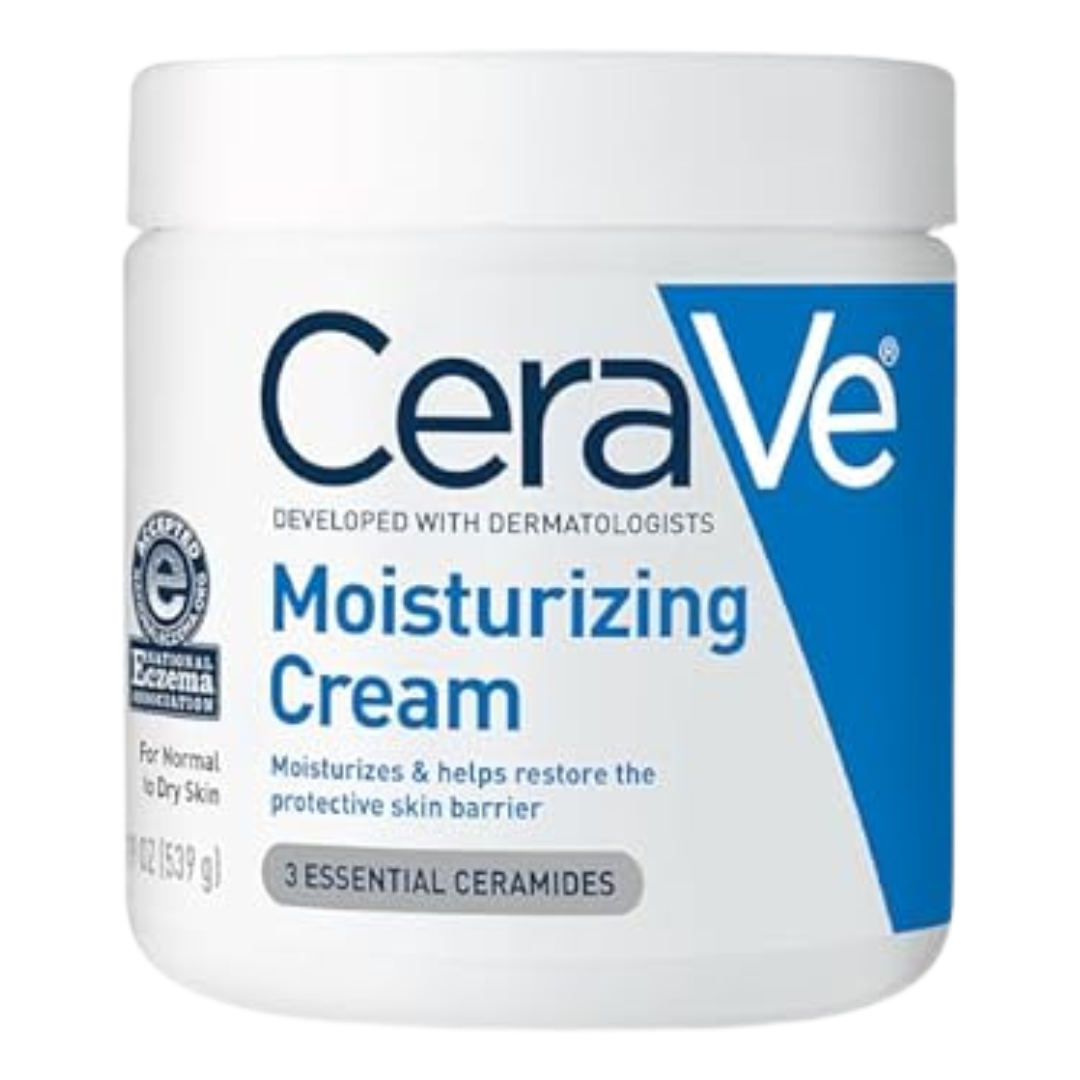
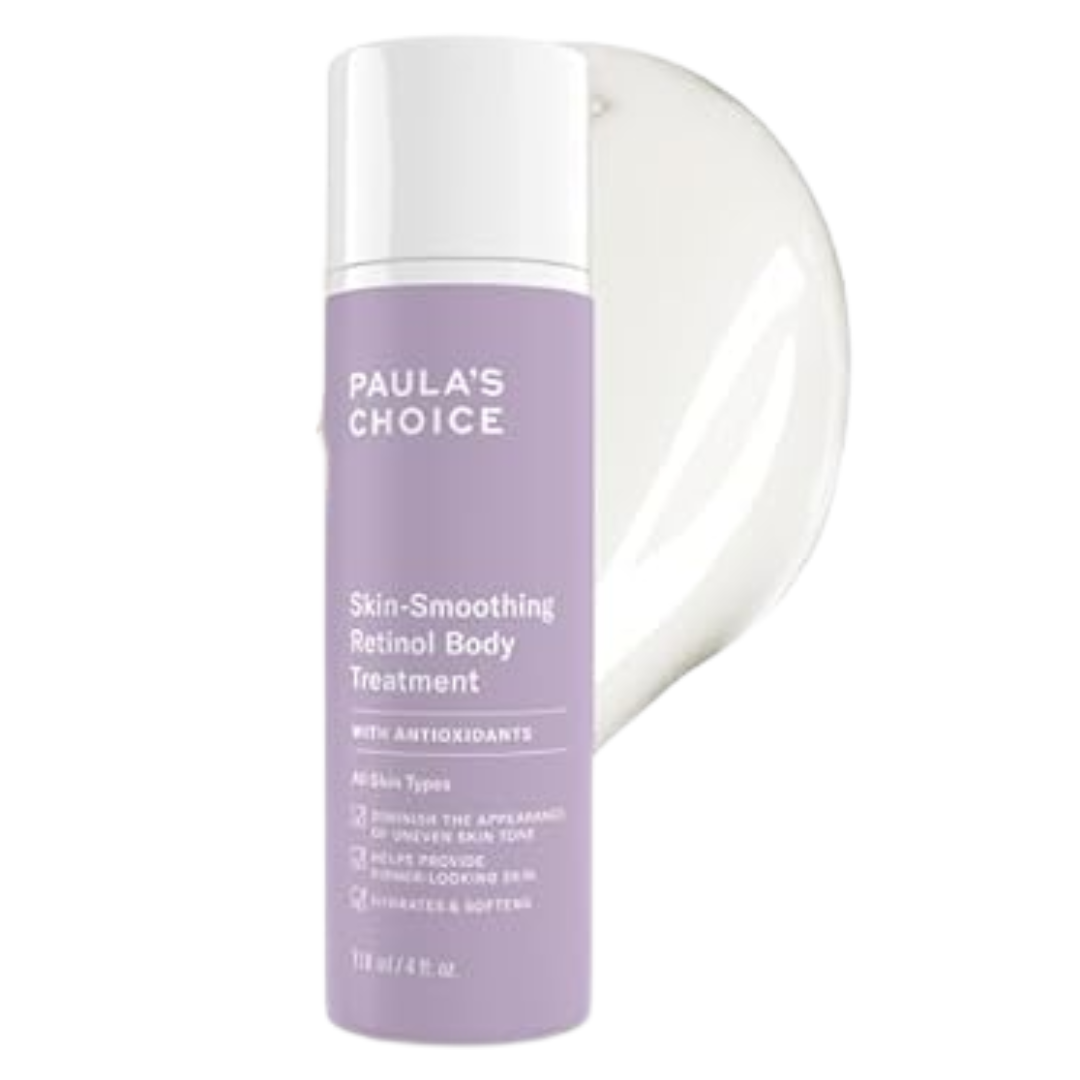
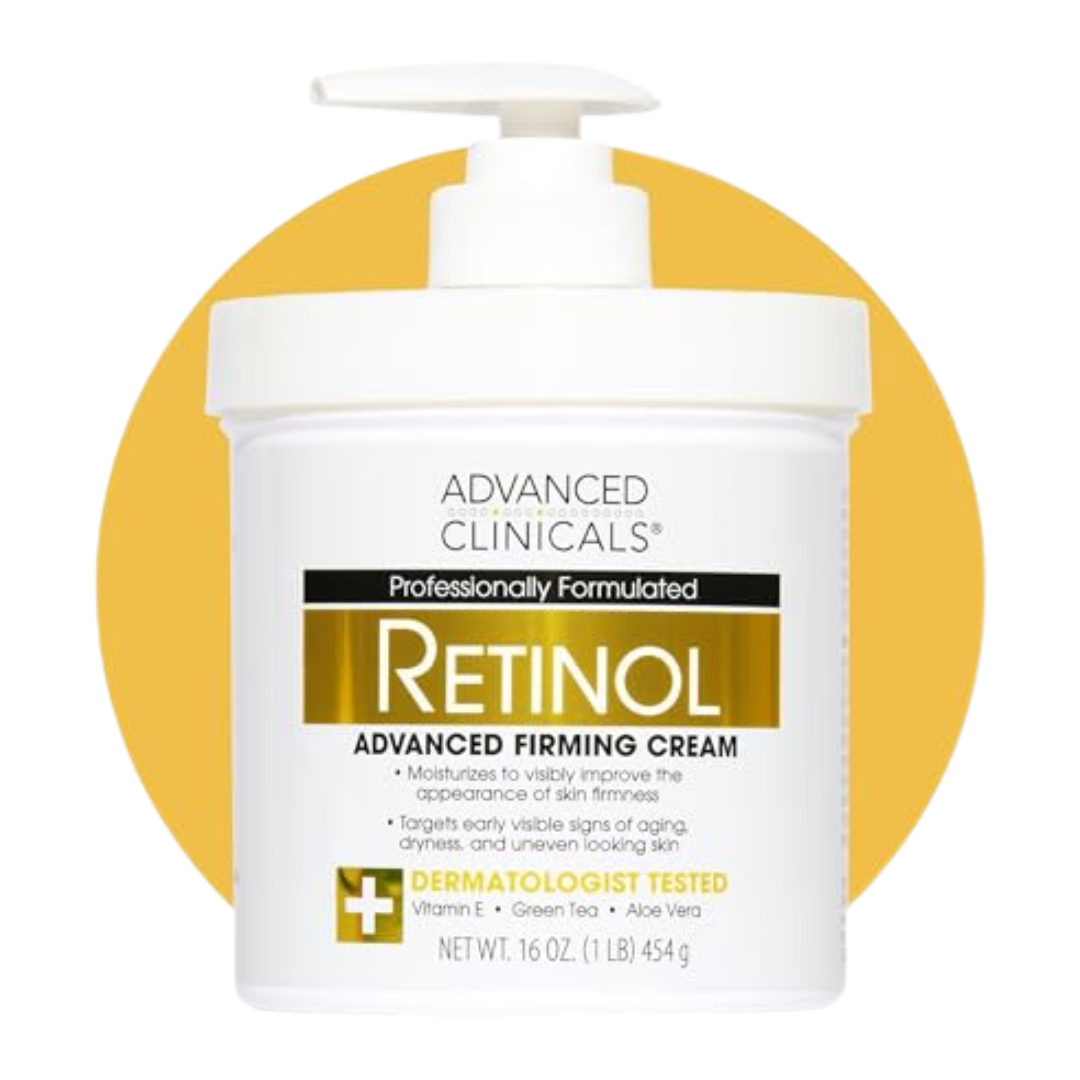
How to Get Rid of Knee Wrinkles and Saggy Skin
Here’s my honest opinion as someone who’s worked in the beauty industry for decades: consistent at-home care makes a real, visible difference. Don’t underestimate it. You don’t need to book an appointment or spend a fortune to significantly improve the appearance of your knees.
Moisturizing (Non-Negotiable)
Moisturizing the knee area daily is the single most accessible and effective thing you can do for crepey, wrinkled knee skin.
The skin here is naturally drier and thicker, and it needs rich, emollient moisture to stay supple and minimize the look of fine lines.
Look for body creams and lotions that contain:
- Hyaluronic acid — draws moisture into the skin and plumps from within
- Ceramides — reinforce the skin barrier and lock in hydration
- Shea butter or squalane — deeply emollient, great for very dry skin
- Glycerin — a humectant that keeps skin moist throughout the day
- Urea — especially good for rough, thick skin on knees and elbows, helps soften and smooth
Apply morning and night — don’t skip evenings! Nighttime is when skin does its heaviest repair work.
Related Article: The Best Moisturizers for Mature Skin Over 60
Retinol Body Lotion for Knee Wrinkles
This is my personal game-changer for knee and body skin: retinol body lotion. Retinol (a form of vitamin A) is the gold-standard anti-aging ingredient because it signals skin cells to increase collagen production and speed up cellular turnover. The result over time is smoother, firmer, plumper skin.
I use retinol body lotion on my knees, elbows, and upper arms three nights a week, and the difference over time has been genuinely remarkable. Start slowly if you’re new to retinol on the body — two nights a week — and work up as your skin adjusts. Always apply to clean, dry skin and follow with moisturizer.
Pro tip from the spa days: The body can handle slightly higher retinol concentrations than the face. Look for body lotions with 0.1% to 0.3% retinol for a meaningful effect without irritation.
Physical Exfoliation for Knee Wrinkles (Body Scrubs and Dry Brushing)
Dead skin cell buildup makes crepey, wrinkled skin look dull and even more textured than it actually is. Regular exfoliation reveals fresher, smoother skin underneath and also improves the absorption of your moisturizers and treatment products.
Dry brushing is my favorite method for the knees and legs. It’s invigorating, improves circulation, supports lymphatic drainage, and gives you that satisfying smooth feeling right after. Use a natural bristle dry brush in long, upward strokes toward the heart before your shower, 2 to 3 times per week.
Related Article: The Benefits of Dry Brushing + How to Do It
Chemical Exfoliation with AHAs and BHAs
If you prefer leave-on exfoliation, chemical exfoliants are incredibly effective for improving skin texture on the body. Alpha hydroxy acids (AHAs) like glycolic acid and lactic acid gently dissolve the bonds between dead skin cells, improving surface texture and stimulating cell renewal.
Beta hydroxy acids (BHAs) like salicylic acid penetrate more deeply and are great for rough, bumpy skin.
Many retinol body lotions also contain AHAs for a double-action effect. This combination is particularly powerful for crepey skin on the knees.
Related: The Best Chemical Peels for Mature Skin
Sun Protection on Your Legs
I know sunscreen on your legs sounds like a lot. But if you’re serious about preventing further photoaging and protecting whatever collagen you have left, SPF on exposed skin (including your knees) is essential.
A broad-spectrum SPF 30 or higher every time you wear shorts, skirts, or dresses will make a cumulative difference over time.
Hydration from the Inside Out
No topical product can fully compensate for chronic dehydration. Aim for consistent daily water intake. The common recommendation of 8 glasses is a reasonable target, though individual needs vary. Hydrated skin is plumper, more elastic, and less prone to the crepey, crinkled look.
Related Article: Health and Beauty Benefits of Drinking Water
Nutrition for Skin Firmness
Your diet is one of the most powerful (and most underrated) tools for skin health. To support collagen production and skin elasticity, prioritize:
- Vitamin C-rich foods (citrus, bell peppers, strawberries) — essential for collagen synthesis
- Protein (lean meat, eggs, legumes) — collagen is a protein; you need adequate protein to make it
- Omega-3 fatty acids (salmon, walnuts, flaxseed) — reduce inflammation and support skin barrier function
- Antioxidant-rich foods (berries, leafy greens, dark chocolate) — protect against free radical damage
- Collagen peptide supplements — growing evidence supports their effectiveness for improving skin elasticity and hydration
The Best Skincare Ingredients for Knee Wrinkles
If you’re shopping for products specifically to target wrinkled, saggy knee skin, here are the power ingredients to look for:
- Retinol — boosts collagen production and speeds cell turnover. The #1 anti-aging ingredient for body skin.
- Hyaluronic acid — plumps and hydrates; look for it in both serums and rich body creams.
- Glycolic acid (AHA) — resurfaces crepey texture over time, improves skin smoothness.
- Lactic acid (AHA) — gentler than glycolic, great for sensitive or very dry skin.
- Niacinamide — strengthens the skin barrier, improves elasticity and skin tone.
- Peptides — signal collagen and elastin production; look for palmitoyl peptides in body lotions.
- Ceramides — restore and reinforce the skin barrier, prevent moisture loss.
- Vitamin C — antioxidant that brightens and boosts collagen production topically.
- Urea — especially effective for very dry, thickened knee skin; softens and smooths beautifully.

Exercises That Firm Saggy, Wrinkled Knees
One of the most effective (and completely free!) things you can do for saggy knee skin is to strengthen the muscles underneath.
When the quadriceps, hamstrings, and glutes are toned and firm, they literally push outward against the skin, making it look tighter and smoother from the outside. This is real, functional improvement, not just cosmetic camouflage.
These exercises specifically target the muscles around the knee area:
- Squats the queen of lower body exercises. Squats work your quadriceps, hamstrings, glutes, and calves all at once, building the muscle volume that supports overlying knee skin. Bodyweight squats are a great start; add resistance bands or weights as you build strength.
- Lunges forward, reverse, and lateral lunges all target the quadriceps and glutes beautifully. Add walking lunges for a cardio-toning combination.
- Leg extensions isolate the quadriceps at the front of the thigh. Sit in a chair, slowly straighten one leg until it’s parallel to the floor, hold for a count of two, then lower slowly. Slow and controlled is the key here — no swinging.
- Leg raises strengthen the quadriceps and hip flexors. Lie on your back, keep one knee bent and one leg straight, and raise the straight leg to hip height slowly.
- Calf raises — don’t neglect the calves! Strong calves improve the overall definition and appearance of the lower leg. Stand with your feet hip-width apart and slowly rise onto your toes, then lower. Add a step for a greater range of motion.
- Step-ups are incredibly functional and effective for the entire lower body. Use a sturdy step stool, stair, or exercise step and alternate legs.
- Walking — underrated! Consistent daily walking tones the legs, improves circulation, and helps maintain healthy body composition. Aim for 30 minutes most days — it adds up.
Aim for 2 to 3 lower-body strength sessions per week. You will see and feel a difference in 4 to 6 weeks.

Non-Surgical Professional Treatments for Knee Wrinkles
When consistent at-home care isn’t giving you the results you want, professional treatments can take things to a whole new level. These are the most effective non-surgical options for knee wrinkles and skin laxity:
Chemical Peels
A professional chemical peel applied to the knee area uses controlled acids to remove the outer layers of skin, triggering the body’s healing response and stimulating new collagen production.
The result is smoother texture, improved skin tone, and reduced wrinkling. A series of medium-depth peels spaced several weeks apart typically yields the best results for body skin.
Related Article: The Benefits of Chemical Peels + Tips
Radiofrequency (RF) Microneedling
This is one of the most exciting non-surgical skin tightening treatments available right now and it works beautifully on body skin, including the knees. RF microneedling devices (like Morpheus8 or the Lutronic Infini) combine the micro-injury of microneedling with radiofrequency energy delivered deep into the dermis.
This stimulates a significant collagen remodeling response, resulting in noticeably firmer, tighter skin over 3 to 6 months.
It requires downtime of a few days and is typically done in a series of 3 treatments spaced 4 to 6 weeks apart. Pricier than topical treatments, but the results are genuinely impressive for skin laxity.
Ultherapy
Ultherapy uses focused ultrasound energy to penetrate deep into the skin’s foundational layers the same depth a surgeon would work at without breaking the skin surface. It triggers a robust collagen-building response that lifts and tightens over 2 to 3 months. It’s FDA-cleared for skin tightening and can be used on areas of the body like the knees. Results can last 1 to 2 years.
Fractional Laser Resurfacing
Fractional laser treatments create thousands of tiny micro-injuries in the skin — controlled damage that the body rushes to repair by producing fresh collagen and elastin.
The result is a smoother texture, reduced crepiness, and improved firmness. The benefit of “fractional” technology is that the surrounding untreated skin accelerates healing, making recovery much faster than ablative lasers.
Body skin typically requires 4 to 6 weeks of recovery compared to facial skin. Results continue improving for up to 6 months after treatment.
CoolSculpting
CoolSculpting uses cryolipolysis, controlled cooling to freeze and permanently destroy fat cells in targeted areas, which the body then naturally eliminates over several months.
It’s primarily a fat-reduction treatment, but in areas where excess fat contributes to a puffy, ill-defined appearance, reducing that volume can improve the overall look of the knee. Results take 2 to 4 months to fully develop.

Dermal Fillers for Knee Wrinkles {#dermal-fillers}
Injectable dermal fillers are gaining popularity as a non-surgical treatment for knee wrinkles and volume loss. By replacing lost volume beneath the skin’s surface, fillers can smooth deep wrinkles, improve skin texture, and restore a more youthful contour to the knee area.
The effects are temporary, and maintenance treatments are required, but for the right candidate they can be genuinely transformative. Here are the main types used:
Hyaluronic Acid Fillers (Juvederm, Restylane) the most commonly used fillers. Hyaluronic acid is a naturally occurring substance in the skin, so these are very well-tolerated. They add immediate volume and hydration, smoothing wrinkles and folds.
Poly-L-Lactic Acid (Sculptra) works differently from other fillers. Rather than providing immediate volume, Sculptra stimulates the skin’s own collagen production gradually over several months. The results are subtle and very natural-looking, and they can last up to 2 years. Great for overall skin quality improvement rather than targeted filling.
Calcium Hydroxylapatite (Radiesse) a thicker filler that provides immediate volume and stimulates collagen production for longer-lasting improvement. Results often last 12 months or more.
PMMA Fillers (Bellafill) a semi-permanent option made of microspheres that remain beneath the skin permanently to provide lasting support. Used for more significant volume loss.
Always have fillers placed by a board-certified dermatologist or plastic surgeon with experience in body filler placement — the knee area requires specific expertise.
Related Article: The Best Dermal Fillers for Over 50
Surgical Options for Knee Wrinkles and Sagging
For cases of very significant skin laxity, often following major weight loss, non-surgical treatments may not be sufficient. Cosmetic surgery can provide more dramatic and permanent results.
These are the most common procedures for knee wrinkles and sagging:
Knee Lift Surgery: Similar to a traditional facelift but performed on the knee. The surgeon removes excess skin and tightens the remaining tissue for a smoother, firmer contour. It leaves a scar, so placement and technique are important factors to discuss with your surgeon.
Liposuction: for knees with excess fatty tissue that contributes to a saggy appearance, liposuction can remove that volume and improve overall knee definition. It’s typically combined with a skin-tightening treatment for the best result.
Thigh Lift / Body Contouring: A thigh lift addresses excess skin and fat from the inner thigh down toward the knee. Improving the thigh naturally improves the knee’s appearance as well.
Fat Grafting: Fat is harvested from another area of the body (typically the abdomen or thighs) and injected into the knee area to restore lost volume and smooth wrinkles. A more natural alternative to synthetic fillers for those who want longer-lasting results.
Surgical options carry real risks and require meaningful recovery time. Discuss thoroughly with a board-certified plastic surgeon and have realistic expectations about results and scarring.
FAQs: How to Get Rid of Knee Wrinkles and Saggy Skin
What causes knee wrinkles?
The main reason behind these changes is the natural aging process, especially the gradual loss of collagen and elastin that begins in our 30s and accelerates during and after menopause. Factors such as sun damage from UV exposure (photoaging), large fluctuations in weight, ongoing dehydration, and a more sedentary lifestyle all contribute to this effect.
The knees are particularly vulnerable because the skin around them is thin and they are in constant motion.
Do home treatments for knee wrinkles actually work?
Yes, and I share this from my personal experience, not just professional knowledge. Keeping your skin moisturized with the right ingredients, exfoliating regularly, using retinol body lotion, and doing strength exercises focused on the legs can truly make a visible difference over time.
My knees look much better now than they did five years ago, and I believe that’s mainly thanks to retinol body lotion and dry brushing.
Remember to set realistic expectations. You won’t see overnight miracles, but with consistent effort over 60 to 90 days, you’re definitely going to see some great improvements.
Can knee wrinkles be completely eliminated?
Significantly improved, yes. Completely eliminated, probably not, and I’d rather give you the honest answer than overpromise. What you can achieve depends on the degree of laxity, your skin’s natural elasticity, genetics, and which treatments you pursue.
Surgical options offer the most dramatic results for severe sagging. For most women, a combination of at-home care plus one or two professional treatments produces results they’re genuinely happy with.
Can I prevent knee wrinkles from getting worse?
Absolutely. Sun protection on your legs, consistent moisturizing, regular lower-body strength training, staying hydrated, eating a collagen-supporting diet, and avoiding smoking are all proven measures that help slow skin aging.
Starting earlier is always better, but it’s truly never too late to benefit from these habits.
At what age do knee wrinkles typically start?
Most women begin to notice changes in their 40s, though it can start in the late 30s, depending on sun exposure history, genetics, and changes in body weight. The acceleration around menopause (typically 48 to 55) is often when it becomes most noticeable.
Is retinol safe to use on the knee area?
Yes! The body skin is generally less sensitive than facial skin and tolerates retinol well. Start with two applications per week to let skin adjust, and increase to every other night or nightly as tolerated.
Always apply to dry skin and follow with a rich moisturizer. You may notice some initial flaking as cellular turnover speeds up — this is normal and a sign it’s working.
Are non-surgical treatments worth the investment?
For women who want more significant improvement than at-home care alone can provide, yes. particularly RF microneedling and Ultherapy, which have strong evidence supporting skin tightening.
I’d always recommend maximizing your at-home routine first (it’s free and effective!) and then consulting with a board-certified dermatologist to discuss whether a professional treatment is right for your specific skin concerns and goals.
Related Articles for Women 40+
- My AM Skincare Routine
- Best Moisturizers for over 60
- Chemical Peel Benefits + Tips
- Best Lotion for Crepey Skin
- The Ordinary Products for Anti-aging
- The Benefits of Dry Brushing
- Best Anti-aging Treatments for Hands
- How to Look and Feel Sexy After 60!
- Ultimate Date Night Beauty Routine
- Dermal Fillers for over 50+
- The Best Moisturizer after Chemical Peels
Conclusion: How to Get Rid of Knee Wrinkles and Saggy Knee Skin
And there you have it, friend! A complete guide to tackling knee wrinkles and saggy skin from every angle at home, at the spa, and everything in between.
Start simple. A good retinol body lotion, consistent exfoliation, daily moisturizing, and some targeted leg exercises cost very little and genuinely work.
Give them 60 to 90 days, and I promise you will notice a difference. If you want to go further, a conversation with a trusted dermatologist about professional treatments is always a great next step.
Most importantly, be kind to yourself through this process. These are the knees that have carried you through decades of a beautiful, full life. They deserve good care and a whole lot of grace.
XO, Christine

I’ve been keeping it real since 1963. 😊
I’m a child of God, devoted wife, proud mama and grandma, full-time creative, domestic engineer, and passionate self-care enthusiast.
I’m purpose-driven and do my best to live each day with intention—whether shopping for treasures, painting in my art studio, digging in the garden, or cooking up something yummy for my family.
I’m always up for a good chat and love collaborating with fellow creatives and brands.
Let’s connect—don’t be shy!