Finding Life Balance After 50: Thrive in Your Second Act!
Life after 50 can be a beautiful new chapter—filled with freedom, wisdom, and fresh priorities.
But it can also bring new challenges: changing careers, caring for aging parents, navigating health shifts, or preparing for retirement. That’s why finding life balance after 50 is more important than ever.
This season of life isn’t about doing more—it’s about doing what matters.
In this article, we’ll explore what work-life balance means after 50, how to create a routine that supports your well-being, and how to let go of what no longer serves you.
Whether you’re looking to reduce stress, rediscover joy, or make space for yourself, these practical steps will help you feel more grounded, fulfilled, and in control of your time.
This post may contain affiliate links. Click to visit policies and disclosures

Understanding Work-Life Balance After 50
Life balance after 50 is about creating harmony between the different areas of your life—career, family, health, relationships, and personal fulfillment. As we grow older, our priorities shift, making it more important than ever to reassess how we spend our time and energy.
What Is Work-Life Balance?
Work-life balance refers to the ability to manage professional responsibilities alongside personal priorities like wellness, relationships, and recreation.
It’s about setting boundaries that protect your health and happiness—without compromising your career or sense of purpose.
This balance is dynamic. Sometimes, work demands more attention; other times, personal responsibilities take the lead. Both areas influence each other, and when aligned well, they can support a more meaningful, less stressful life.
Technology has made it easier to stay connected to work around the clock, but this constant accessibility can blur boundaries and increase stress.
That’s why redefining work-life balance after 50 is so essential—it allows you to be present in the moments that truly matter.

Why Life Balance After 50 Matters More Than Ever
As we enter our 50s and beyond, achieving a healthy work-life balance after 50 becomes a key part of living well in our second act.
Work-life balance is not just about reducing hours or avoiding burnout—it’s about aligning your lifestyle with what truly fulfills you.
Here’s why life balance becomes increasingly important in this season of life:
Prioritizing Health and Wellness
After 50, physical health and emotional well-being often take center stage.
Chronic stress and overexertion can negatively impact sleep, cardiovascular health, and mental clarity. A balanced life that incorporates movement, rest, and joy is essential for long-term well-being and vitality.
Changing Family Responsibilities
You may find yourself caring for aging parents, supporting adult children, or investing more time in grandparenting.
Creating space in your schedule allows you to meet these evolving family needs without feeling overwhelmed or depleted.
Planning for Retirement
Many people start actively preparing for retirement after 50.
Striking a balance now makes it easier to transition into reduced work hours or full retirement, while maintaining a sense of purpose and financial readiness.
Exploring New Interests and Personal Fulfillment
As your identity shifts beyond your career, hobbies, creative pursuits, spiritual growth, and community involvement become more meaningful.
Life balance gives you the margin to explore what truly lights you up.
Related: The Best Hobbies for Women over 50 + Fun Hobbies for Men over 60
Staying Productive Without Burnout
Contrary to popular belief, working more doesn’t always mean achieving more.
Healthy boundaries, time off, and personal renewal are essential to staying sharp, motivated, and effective at work—even as you age.

Step 1: Assessing Your Current Situation
The first step to achieving life balance after 50 is taking an honest look at where you are right now.
Before you can make meaningful changes, it’s important to understand how your time, energy, and priorities are currently distributed—both at work and in your personal life.
Here’s how to begin your work life balance journey:
Evaluate How You Spend Your Time
Track your typical week. How much time is spent on work, family obligations, health, social connections, rest, and personal interests?
You may be surprised by the imbalance. Identifying where your time goes is the first step to reclaiming it.
Identify What Feels Out of Alignment
Ask yourself some questions about how you feel. These insights can help highlight the areas where you need to create more space, set boundaries, or make adjustments.
- Am I constantly stressed or drained?
- Do I feel fulfilled in my work or relationships?
- What parts of my life are thriving—and what parts feel neglected?
Clarify Your Priorities
Your priorities after 50 may look different than they did in your 30s or 40s—and that’s completely normal.
Take time to reflect on what matters most to you now: your health, quality time with loved ones, meaningful work, creative expression, travel, or spiritual growth.
When you understand your true priorities, it becomes easier to say “yes” to what aligns—and “no” to what doesn’t.
Consider Your Energy, Not Just Your Schedule
At this stage in life, life balance after 50 isn’t just about managing time—it’s also about managing energy.
Pay attention to what energizes you and what drains you. Are you investing your energy in what truly matters?

Step 2: Creating a New Routine for Life Balance After 50
Once you’ve assessed your current situation and clarified your priorities, the next step toward achieving life balance after 50 is to create a routine that truly supports your well-being—physically, emotionally, and spiritually.
Your daily routine should reflect your current season of life, energy levels, and what matters most to you now.
Design a Routine Around Your Core Priorities
When your schedule matches your values, life feels more balanced and fulfilling.
Start by identifying the non-negotiables—things like movement, rest, work hours, family time, and personal care. Then, schedule them into your day or week like appointments.
If your health is a top priority, block out time for exercise or meal prep. If you’re caring for a loved one or planning retirement, that needs space, too.
Include Time for Rest and Renewal
Don’t underestimate the power of recovery—it keeps you energized, focused, and emotionally grounded.
After 50, rest is just as important as productivity. Prioritize quality sleep, downtime, and quiet moments throughout your day. Even 10 minutes of stillness, prayer, or breathing can reduce stress and help you reset.
Make Room for Joy and Personal Fulfillment
One of the biggest benefits of creating a new routine after 50 is having the freedom to include things that nourish your soul—like hobbies, creative time, volunteering, or spending time in nature.
Keep It Flexible
A balanced routine doesn’t have to be rigid. In fact, the best routines after 50 are flexible and adaptable. Life will always throw curveballs—so give yourself grace and permission to adjust when needed.
Remember: The goal is progress, not perfection.

Step 3: Letting Go of What No Longer Serves You
Achieving true life balance after 50 isn’t just about adding more of the right things—it’s also about releasing what no longer supports your well-being.
Letting go can be one of the most freeing and transformative steps you take at this stage in life.
Whether it’s outdated obligations, toxic relationships, limiting beliefs, or habits that drain your energy, simplifying your life opens the door to peace, purpose, and presence.
Declutter Your Commitments
Saying no to one thing is saying yes to something better. Take a hard look at your calendar. Are there meetings, responsibilities, or social obligations that you’re continuing out of guilt or habit?
It’s okay to say no. After 50, your time is too valuable to waste on things that don’t align with your priorities
Release Limiting Beliefs
Many people carry beliefs that no longer serve them: “I’m too old to change,” “I have to do it all,” or “I’ll never have balance.”
Letting go of these inner narratives can create space for self-compassion, growth, and a more peaceful mindset. You are never too old to start fresh, build new routines, or redefine what success means to you.
Reevaluate Relationships
Creating boundaries or letting go of toxic dynamics is a courageous step toward emotional freedom.
Some relationships may uplift and energize you—others may drain and distract. Midlife is the perfect time to invest in connections that bring joy, truth, and mutual respect.
Simplify Your Space and Lifestyle
A simplified lifestyle often leads to a more balanced mind.
Letting go also applies to your physical environment. Decluttering your home, your digital devices, and even your closet can create a sense of lightness and clarity.

Step 4: Building Healthy Habits for Life Balance After 50
Healthy habits don’t have to be dramatic; they just need to be sustainable. After 50, it’s even more important to establish consistent routines that support your body, mind, and spirit.
Once you’ve let go of what’s no longer serving you, the next step is to intentionally build daily habits that support a more balanced, energized, and joyful life.
Prioritize Your Health
Healthy habits help you feel your best, so you can give your best to the people and priorities that matter most.
Make regular movement, nutritious food, hydration, and rest part of your non-negotiable routine. These small but powerful habits have a direct impact on your energy, mood, and mental clarity.
Support Your Mental and Emotional Well-Being
Journaling or Morning Reflection
Start your day with intention. Writing down your thoughts, prayers, or a to-do list can help you clear mental clutter and focus on what truly matters.
Practicing Gratitude
Keeping a gratitude journal or simply listing three things you’re thankful for each day can shift your mindset, boost positivity, and reduce anxiety.
Daily Quiet Time, Prayer, or Meditation
Whether it’s a spiritual practice or a few minutes of silence, setting aside time to be still helps calm the nervous system, reduce stress, and reconnect you to your purpose.
Limiting Screen Time and Negativity
Too much media, especially negative news or social media comparison, can drain your energy. Be intentional about what you consume, and consider regular digital detoxes to restore mental clarity.
Get Outside and Move Your Body
Time in nature, even just a walk around the block, can lower stress hormones, improve mood, and give you space to breathe. Sunshine, fresh air, and movement are natural mood boosters.
Be Consistent (Not Perfect)
Perfection does not exist. When you’re building healthy habits after 50, consistency is what matters.
Focus on progress, not pressure. Even 10 minutes a day of positive action can shift your mindset and momentum.
Related article: Healthy Habits: 10 Things to do First Thing in the Morning
Life Balance After 50 Checklist
Use this checklist as a guide to evaluate where you are—and where you want to go—as you work toward a more fulfilling, balanced life.
- I’ve assessed how I currently spend my time and energy
- I’ve identified what feels out of alignment or overwhelming
- I’ve clarified what matters most to me in this season
- I’ve created a daily or weekly routine based on my priorities
- I’ve said “no” to obligations that no longer serve me
- I’ve begun letting go of toxic relationships or thought patterns
- I’ve made space in my schedule for joy, rest, and renewal
- I’m building habits that support my physical and mental health.
- I’m giving myself grace and allowing my routine to evolve.
- I’m taking small, consistent steps toward the life I truly want
Relatable Articles
- How to Develop a Growth Mindset
- Embracing Change and Uncertainty
- My Guide to Navigating Midlife Transitions
- Midlife Crisis in Women + What to Do!
- How to Start a Morning Self-Care Routine
- How to Set Healthy Boundaries
- Take the Midlife Crisis Quiz!
- 100 Things Every Woman Should Own
- How to Reinvent Yourself after 50
- Finding Purpose after the Empty Nest
- 100 Bucket List Ideas for Retirement
- My Nighttime Self-Care Routine
- Life After a Midlife Crisis
- Glow Up: 8 Types of Self-Care
- How to Make New Friends in Your 50s
FAQ: Finding Work-Life Balance After 50
Why is finding life balance important after 50?
After 50, life brings new opportunities—and new demands. Priorities often shift as careers change, children become independent, or caregiving roles emerge.
Finding life balance after 50 is crucial for supporting emotional well-being, physical health, and a renewed sense of purpose.
When you focus on what truly matters—relationships, rest, and personal growth—you create space for a more joyful and fulfilling life.
What are the biggest challenges to life balance after 50?
Common challenges include managing caregiving duties for aging parents, adjusting to retirement or career transitions, coping with age-related health changes, and dealing with emotional shifts such as loneliness or loss of direction.
How can I set realistic work-life balance goals after 50?
Start by evaluating your current lifestyle and identifying areas that feel unbalanced. Then, set small, attainable goals that align with your values and energy levels.
What are the best activities to support life balance after 50?
Some of the most effective activities for life balance after 50 include:
- Daily movement (walking, yoga, swimming)
- Mindfulness practices like meditation or journaling
- Creative hobbies or continued learning
- Volunteering or giving back
- Deepening spiritual practices
- Staying socially engaged through clubs, classes, or church groups
These activities support your physical, mental, and emotional wellness.
Related: The Benefits of Daily Meditation for Women
How do I manage stress and avoid burnout?
Managing stress after the age of 50 requires intentional self-care. Incorporate stress-reducing habits such as breathwork, stretching, spending time outdoors, or practicing gratitude.
Set boundaries with work or technology and allow time for rest and hobbies. Even 10 minutes of quiet time each day can help restore calm and focus.
How can I maintain strong social connections as I age?
Maintaining healthy relationships is key to aging well. Schedule regular catch-ups with loved ones, join interest-based groups, or participate in local workshops and community events.
Utilize technology (such as Zoom or social media) to stay connected with friends and family who live far away. Social connection fuels emotional resilience and life satisfaction.
Is it too late to pursue new passions after 50?
Not at all! In fact, many people discover their most meaningful passions after midlife. Whether it’s art, travel, music, writing, or fitness—starting something new after 50 can reignite your creativity and sense of purpose.
It’s never too late! There’s no expiration date on growth, joy, or personal discovery.

Resouces for Finding Balance After 50
Mental & Emotional Well-Being
- Mayo Clinic – Stress Management
Overview of stress relief techniques, mindfulness, and relaxation tools. - Greater Good Science Center – The Science of Gratitude
Science-backed research on how gratitude improves mental health and well-being. - Headspace – Meditation and Mindfulness Tools
Guided meditations and simple practices to support emotional resilience.
Work-Life Balance & Life Transitions
- Harvard Health – Achieving Work-Life Balance
Expert tips for maintaining harmony between work and personal life. - Psychology Today – Redefining Success in Midlife
Encourages women in midlife to pursue passion, purpose, and balance. - AARP – Life After 50: Tips for Reinventing Yourself
Encouragement and guidance for finding new direction in your 50s and beyond.
Healthy Habits & Self-Care
- National Institute on Aging – Healthy Aging Tips
Covers wellness, nutrition, movement, and mental health for older adults. - CDC – How Much Physical Activity Do Older Adults Need?
Clear guidance on exercise frequency and intensity for adults over 50.
Conclusion: Finding Life Balance After 50
Achieving work-life balance after 50 isn’t about perfection—it’s about creating a life that reflects your values, honors your energy, and makes room for what matters most.
By assessing where you are, adjusting your routine, letting go of unnecessary burdens, and building healthy habits, you can create a lifestyle that supports your well-being inside and out.
You deserve a life filled with peace, purpose, and joy—one that works for you, not against you. And the good news? It’s never too late to find your balance and begin again
XO, Christine
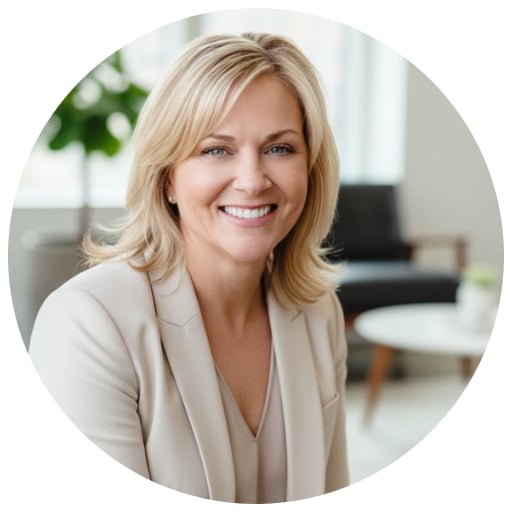
I’ve been keeping it real since 1963. 😊
I’m a child of God, devoted wife, proud mama and grandma, full-time creative, domestic engineer, and passionate self-care enthusiast.
I’m purpose-driven and do my best to live each day with intention—whether shopping for treasures, painting in my art studio, digging in the garden, or cooking up something yummy for my family.
I’m always up for a good chat and love collaborating with fellow creatives and brands.
Let’s connect—don’t be shy!