55 Essential Life Skills for Teens Before They Fly the Coop!
If you’re a parent of a teenager, I’m guessing you’ve had at least one moment where you looked at your kid and thought, “Do they actually know how to do that? Like, in real life?”
I’ve had that moment more times than I can count. As a mom of four and grandma of five, I’ve sent teenagers off into the world and experienced firsthand what they were ready for and what caught them completely off guard.
Spoiler alert: it’s not the big stuff that trips them up. It’s the everyday things. The cooking, the budgeting, and knowing what to do when something breaks or someone gets hurt.
School does a beautiful job of teaching our teens history, algebra, and literature. But it doesn’t always cover the essential life skills for teens that make the difference between a young adult who thrives independently and one who calls mom in a panic because they flooded the bathroom or have no idea how to make a doctor’s appointment.
That’s what this article is for. I’ve put together a comprehensive guide to the most important life skills every teenager should learn before leaving home, organized by category so you can use it as a practical checklist.
Whether your teen is 13 or 17, it’s never too early or too late to start working through this list together.
This post may contain affiliate links. Click to visit policies and disclosures

Why Life Skills for Teens Matter More Than Ever
Here’s a truth that might sting a little: research consistently shows that many of today’s teenagers are arriving at college and early adulthood without the basic independent living skills they need to manage day-to-day life on their own.
Not because they aren’t smart or capable, but because our busy lives haven’t always created natural opportunities for them to practice.
A generation ago, kids learned to cook because they were expected to help with dinner. They learned to manage money because there was a set allowance and nothing more. They learned home repairs by watching and helping.
Today, amid school pressures, extracurriculars, and the easy availability of every imaginable convenience, many of those organic learning moments have quietly disappeared.
Teaching life skills for teenagers isn’t about doubting your teen. It’s about giving them the confidence and competence to handle real life with grace.
And as the person who knows and loves them best, you are the most powerful teacher they will ever have. Let’s get into it.

1. Financial Literacy and Money Management
Financial literacy for teens is such an important foundation for everything in adult life. The sooner they start learning it, the more prepared they’ll be for the future.
Financial and Money Management Life Skills for Teens
- Budgeting: Teens should understand how to track income, plan expenses, and distinguish between needs and wants. Start simple, a summer job budget or a monthly spending plan, and build from there.
- Opening and managing a bank account: Every teenager should know how to set up a checking and savings account, read a bank statement, avoid overdraft fees, and use mobile banking responsibly.
- Understanding credit: Teach your teen what a credit score is, how it’s built, and why getting into credit card debt can follow them for years.
- Saving habits: Even setting aside a small percentage of every paycheck teaches the discipline that builds long-term financial security.
- Taxes: Walk your teen through a basic W-2 and help them file their first tax return with you before they have to do it alone.
- Earning their own money: This is where financial literacy gets real! Start with an allowance tied to household chores so they learn early that money is earned, not given. From there, encourage neighborhood jobs like babysitting, lawn mowing, or dog walking. When they’re old enough, a part-time job at a restaurant, retail store, or anywhere that teaches them to show up, work hard, and get a paycheck is one of the most valuable experiences a teenager can have.
Related Article: How to Have a Successful Garage Sale (a great way for teens to earn money!)

2. Cooking and Meal Planning
Learning to cook is a wonderful life skill that can bring so many positive moments into our everyday lives. It not only helps save money and promotes healthier habits, but also gives teens a fantastic feeling of achievement and independence. Discovering these skills can truly be empowering and enjoyable!
Cooking and Meal Planning Life Skills for Teens
- Basic cooking techniques: Scrambling eggs, boiling pasta, roasting vegetables, cooking rice, and making a simple protein like grilled chicken or ground beef. These fundamentals unlock hundreds of easy meals.
- Grocery shopping: Teens should learn how to make a shopping list based on planned meals, compare prices, read nutrition labels, and choose fresh produce. Knowing how to shop is just as important as knowing how to cook.
- Meal planning: Even at a basic level, this teaches budgeting and reduces food waste. Have your teen plan and cook one family meal per week as a starting point.
- Kitchen safety: Covers knife skills, how to handle a gas stove, what to do if a grease fire starts, and basic food safety, like proper food storage and understanding expiration dates.
- Reading a recipe: Surprisingly not intuitive for everyone! Walk your teen through how to read a full recipe before starting, gather ingredients, and follow steps in order.

3. Home Management and Household Skills
A teenager who’s learned how to take care of a home is better prepared to thrive in a dorm, an apartment, or wherever life leads them.
Home and Household Life Skills for Teens
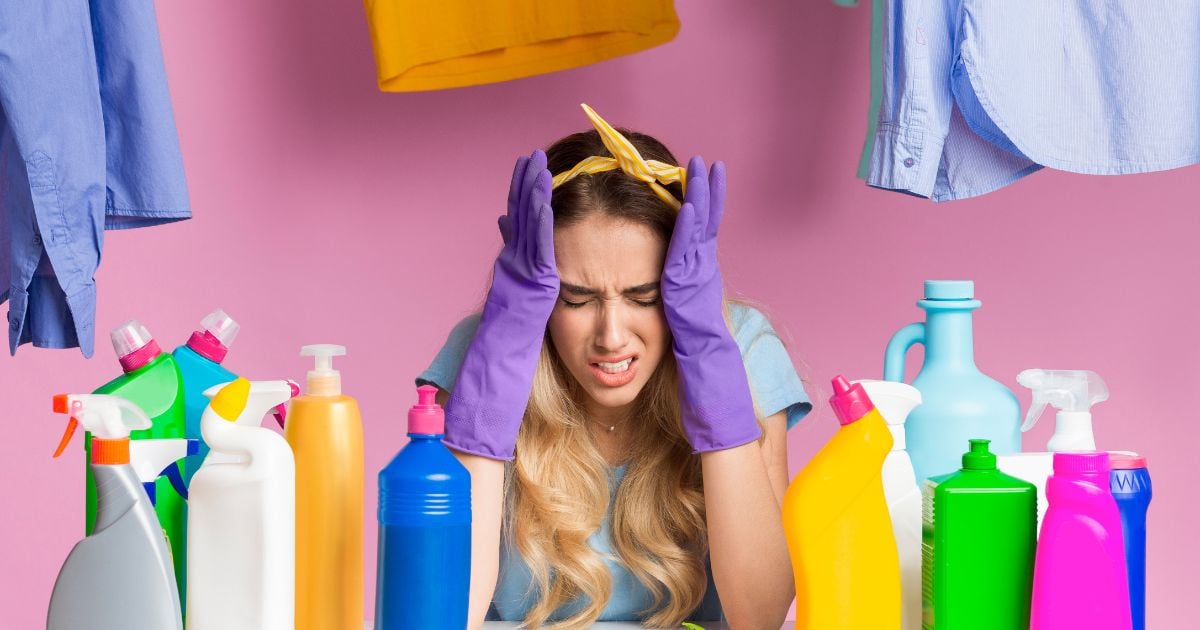
- Decluttering and home organization: You know that feeling when your space is clean and organized and you can actually think clearly? Teens need to experience that too! A teen who learns how to create and maintain an organized living space carries that skill into every dorm room, apartment, and home they ever live in.
- Laundry: You would be amazed at how many college freshmen have never done their own laundry. Like, never once. Don’t let that be your kid! Teach them how to sort clothes, read care labels, choose the right water temperature, and use the right amount of detergent.
And yes, folding and actually putting things away counts too! - Basic cleaning: A clean home is a happy home. Make sure your teen knows how to vacuum, mop, scrub a bathroom, wipe down a kitchen, and do dishes. The secret is making it a regular routine rather than a big, dramatic event.
- Basic home maintenance: Every teen should know how to handle the small stuff before they’re adulting on their own. How to unclog a drain, reset a tripped circuit breaker, replace a lightbulb, and use a hammer and screwdriver are all things that will save them a lot of stress and a few embarrassing phone calls home.
- Utility shut-offs: This one sounds boring until the moment it really matters. Knowing how to turn off the water supply valve when a pipe starts spraying, or how to shut off the gas in an emergency, is the kind of practical knowledge that many adults don’t have and absolutely should.
Related Article: How to Organize a Nightstand in 5 Easy Steps

4. Time Management and Organization
Time management is a key life skill for teens and high school students that can really make a difference in their success in college and future careers. When they develop good time management, it helps them avoid struggles, even if they are very talented.
Organization and Time Management Life Skills for Teens
- Managing distractions: Okay, this one is hard for all of us, not just teens! In a world of constant notifications, group chats, and social media rabbit holes, learning to focus is a genuine skill that takes practice.
Have an honest, judgment-free conversation with your teen about how screens affect their ability to get things done, and work together to set simple boundaries around device use during homework and study time. You might even find it helps you too!
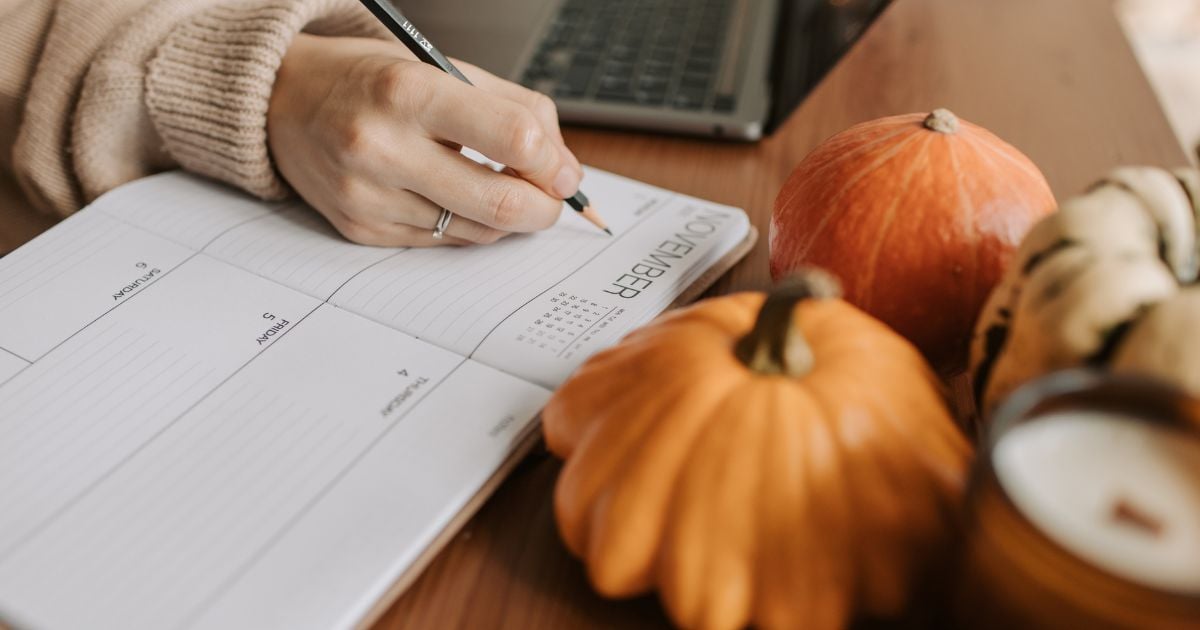
- Using a planner or digital calendar: I know, I know, it sounds so old school! But whether it’s a paper planner or an app on their phone, teens who write things down and block out time for homework, activities, work, and rest are so much less stressed than those who try to keep it all in their head.
Bonus points for building in a little buffer time for the unexpected, because life always has something up its sleeve. - Prioritization: Not everything on the to-do list is equally urgent, and learning to tell the difference is a game changer. Help your teen figure out what absolutely must get done today versus what can wait, rather than just tackling whatever feels most overwhelming in the moment.
- Meeting deadlines consistently: Meeting deadlines is a habit, not a talent. The good news is you can practice it at home! Give your teen real responsibilities with real due dates, like planning dinner one night a week or handling their own laundry by Sunday, so they build that muscle before the stakes are higher.
- Breaking big projects into smaller steps: This one trips up a lot of adults too, so no shame if your teen struggles with it! Teach them to look at a big deadline and work backward, breaking it into smaller, manageable pieces.
A 10-page paper is a lot less terrifying when it’s five two-page chunks spread over two weeks.

5. Communication and Social Skills
Developing strong communication skills for teens is so important because it sets the foundation for all their future relationships and careers. Unfortunately, this area often doesn’t receive the focused attention it truly deserves.
Social and Communication Life Skills for Teens
- Public speaking: Whether it’s a class presentation, a job interview, or speaking up in a meeting someday, the ability to communicate confidently in front of others is a skill that sets teens apart. Encourage every opportunity to practice, from school speeches to community events to simply sharing their opinion at the dinner table.
- Conflict resolution: Learning how to handle disagreements with grace and kindness in a calm manner will benefit your teen in all their professional and personal relationships. It’s one of the best life skills you can teach them.
- Speaking confidently with adults: Including teachers, employers, and authority figures. Practice making eye contact, speaking clearly, and introducing themselves in professional contexts.
- Making phone calls: Many teenagers have profound anxiety about making a simple phone call. Practice at home by having them call to make their own appointments, inquire about a job, or handle a customer service issue.
- Written communication: It’s helpful for teens to learn how to craft a clear and politely formal email, and always take a moment to proofread before clicking send.
- Active listening: Helping your teenager learn to give their full attention and listen without rushing to reply can make a meaningful difference in their lives, opening up many positive opportunities and strengthening interpersonal relationships.
6. Emotional Regulation and Mental Health
This area could be incredibly important for your teenager’s long-term happiness and health, but sadly, it often doesn’t get the practical attention it truly deserves.
Mental and Emotional Regulation Life Skills for Teens
- Self-care practices: From getting enough sleep and eating well to creating downtime and protecting mental energy. These habits prevent burnout and build long-term resilience.
- Recognizing and naming emotions: Saying “I’m feeling anxious about this” instead of just acting out the anxiety helps them understand and manage their feelings better. This is an important part of emotional regulation that can make a big difference.
- Healthy coping strategies for stress: This includes exercise, journaling, creative outlets, time in nature, and talking to a trusted person. Help your teen build a personal list of what actually works for them.
- Setting healthy boundaries: Having healthy boundaries with friends, romantic partners, and even family members. This is a life skill that many adults are still working to develop. Normalize the conversation early.
- Knowing when and how to ask for help: Whether it’s coming from a trusted friend, a parent, or a mental health professional, recognizing when and how to ask for help is a wonderful sign of strength and self-awareness, not weakness.
- Learning to say no in a healthy way: This is one of the most powerful life skills a teenager can develop. Saying no to peer pressure, overcommitment, or anything that conflicts with their values is not selfish; it’s self-aware. Practice it at home so it feels natural out in the world.
Related Articles: How to Start a Self-Care Routine + The Benefits of Daily Meditation

7. Decision Making and Problem Solving
One of the best ways we can support our teens is by nurturing their confidence to make thoughtful decisions on their own and helping them develop resilience so they can recover smoothly when things don’t go as planned.
Problem Solving and Decision Making Life Skills for Teens:
- Creative problem solving: The ability to think flexibly when the obvious solution isn’t working. Best developed through practice and experience. Although I found this one really hard at times, and you will too, it’s really best to let teenagers work through problems themselves before jumping in to fix things for them.
- Gathering information before deciding: Teach your teen to pause, research, and consider multiple perspectives before committing to a choice. This life skill separates reactive people from thoughtful ones.
- Weighing pros and cons: Sounds simple, but takes practice. Use real decisions they’re facing, not hypotheticals, to work through this skill in real time. (I taught my kids to write down the pros and the cons)
- Understanding consequences: Truly understanding that our choices and actions are connected to both immediate and future outcomes is so important. It’s the secret to making wise decisions, honestly building healthier relationships, and leading a more fulfilling life!
- Learning from mistakes without excessive shame: One of the most valuable mindset skills a teen can learn is to see mistakes as a normal part of learning. You can help by creating a supportive environment at home where everyone feels comfortable talking openly about their own mistakes.

8. Personal Health and Self-Care
Teaching teenagers how to advocate for and take responsibility for their own health helps them build the skills and confidence they need to make positive choices throughout their lives, setting them up for a healthier and happier future.
Personal Self-care and Health Life Skills for Teens:
- Understanding mental health basics: Knowing the difference between a hard week and something that needs professional support, and feeling comfortable seeking that support without shame.
- Navigating the healthcare system: Teens should learn how to schedule their own appointments, understand basic health insurance concepts, communicate symptoms clearly to a doctor, and know the difference between urgent care and an emergency room.
- Personal Hygiene: Encourage your teen to see dental care, skincare, and grooming as important daily habits that will stay with them for life, helping them feel confident and healthy.
- Sleep hygiene: Most teenagers are not getting enough sleep, and the consequences are significant. Help your teen understand how much sleep they actually need and build habits that support it, such as limiting screen time before bed.
- Physical activity habits: Since these habits often start in the teen years and carry into adulthood, it’s helpful to encourage teens to discover physical activities they truly enjoy!

9. Basic First Aid and Emergency Skills
These are the life skills that genuinely could save a life, and most teens don’t have them.
First Aid and Emergency Life Skills to teach Teens:
- CPR and basic first aid certification: Many community centers, fire stations, and the Red Cross offer affordable or free certification courses. Most teens can earn this through school or babysitting certification programs.
- Wound care basics: How to clean and bandage a cut, recognize signs of infection, and know when something needs stitches rather than a bandage.
- Handling choking emergencies: Including knowing how to perform the Heimlich maneuver. This takes five minutes to learn and could save someone’s life at a dinner table someday.
- Emergency preparedness: Knowing what to do in various scenarios, whether that’s a car accident, a fire, a natural disaster, or a medical emergency. Walk through these scenarios at home.
- Calling for help appropriately: Knowing when to call 911, what information to give the dispatcher, and how to stay calm enough to communicate clearly in a crisis.

10. Digital Literacy and Technology Skills
Today’s teenagers grow up immersed in technology, but that doesn’t always mean they’re truly confident or knowledgeable about the most important aspects of it.
Basic Literacy and Tech Life Skills to teach Teens:
- Online privacy and security habits: Creating strong passwords, understanding what personal information should never be shared online, recognizing phishing attempts, and managing privacy settings across platforms.
- Digital footprint awareness: What they post online today can affect college applications, job opportunities, and relationships for years to come. Have the conversation early and often.
- Evaluating online information critically: Being able to identify credible sources, recognize misinformation, and fact-check before sharing is one of the most essential skills for navigating modern life.
- Professional digital communication: Understanding the difference between texting a friend and emailing a potential employer, and knowing how to write, format, and proofread professional communications.
- Basic technology troubleshooting: Knowing how to solve common computer problems, update software, back up important files, and protect devices reduces dependence on others for everyday tech issues.

11. Job Readiness and Career Skills
Even if your teen isn’t thinking about careers yet, building job-ready skills during the teenage years gives them an enormous advantage.
Career Life Skills to teach Teens:
- Writing a resume and cover letter: Should be practiced before it’s urgently needed. Help your teen create their first resume using volunteer work, school activities, and any paid experience.
- Interview skills: Including how to dress appropriately, answer questions clearly and confidently, ask good questions, and follow up with a thank-you. Most teens have zero experience with this before their first interview.
- Workplace professionalism: Showing up on time, communicating respectfully with supervisors, taking feedback without defensiveness, and understanding that a part-time job deserves the same reliability as any other commitment.
- Networking: Even for teenagers, this means knowing how to introduce themselves, make a good impression, and maintain relationships with people who can support their growth and opportunities.
- Goal setting and follow-through: The skill that turns ambition into actual results. Help your teen practice setting specific, realistic goals and building the habits that make achieving them possible.
Related Article: How to Start a Blog (a great first creative business skill for motivated teens!)

Life Skills Checklist for Teens
Here’s a quick reference life skills checklist for teens you can work through together! Consider printing it out and tackling a few items each month. No pressure to do it all at once, just keep making progress and celebrate the wins along the way!
Financial Literacy Skills
- Can your teen create a basic budget and stick to it?
- Do they know how to open and manage a bank account?
- Do they understand how credit works and how quickly debt can spiral?
- Have they learned how to file a basic tax return?
- Have they experienced earning their own money through chores, babysitting, or a part-time job?
Cooking and Meal Prep Skills
- Can your teen cook at least 5 basic meals from scratch?
- Can they grocery shop independently on a budget?
- Are they able to plan a simple week of meals?
- Do they practice basic kitchen safety and food storage?
Home Management and Household Skills
- Can they do their own laundry start to finish, including folding and putting it away?
- Can they clean a bathroom and kitchen properly?
- Do they know how to handle basic home repairs and use simple tools?
- Do they know how to shut off the water or other utilities in an emergency?
Time Management and Organization Skills
- Do they use a planner or digital calendar consistently?
- Can they prioritize tasks and meet deadlines reliably without being reminded?
- Do they know how to break a big project into manageable steps?
- Can they manage screen distractions during work and study time?
Communication and Social Skills
- Can they make a phone call confidently without anxiety?
- Can they write a clear, professional email?
- Are they able to speak in front of others and express themselves clearly?
- Can they navigate a conflict respectfully and listen actively without interrupting?
Emotional Regulation and Mental Health Skills
- Can they identify and name their emotions rather than just reacting?
- Do they have healthy coping strategies for stress and anxiety?
- Can they set boundaries and say no in a healthy way?
- Are they comfortable asking for help from a trusted person or professional when they need it?
Personal Health and Safety Skills
- Can they schedule their own doctor and dentist appointments?
- Do they understand basic first aid and CPR?
- Can they handle a basic medical or home emergency calmly?
- Do they have a foundational understanding of health insurance and when to use urgent care versus an emergency room?
Digital Literacy Skills
- Do they protect their online privacy and use strong passwords?
- Can they evaluate online information critically and recognize misinformation?
- Are they aware of their digital footprint and how it can affect their future?
- Do they know how to communicate professionally online?
Job Readiness and Career Skills
- Have they set at least one meaningful personal or career goal and worked toward it?
- Do they have a basic resume ready to go?
- Can they interview confidently and follow up professionally?
- Do they understand workplace expectations like reliability, punctuality, and taking feedback well?
Related to Life Skills for Teens
- 100 Things to Do When You’re Bored
- The Empty Nest Survival Guide
- Christmas Bucket List Ideas
- 100 Things to Do: Teen Bucket List
- 100 Essentials to Keep in Your Car
- 100 Things to Keep in Your Purse
- Creative New Year Vision Board Ideas
- How to Create Momentum as a Women
- Powerful Prayers for Your Adult Children
- How To Draw Boundaries with Adult Kids
- Fun Things to Do This Summer
FAQs: Life Skills for Teens
What are the most important life skills for teenagers?
The most universally important life skills for teens fall into a few core categories: financial literacy, basic cooking and home management, time management, communication, emotional regulation, and personal health.
If a teenager can budget money, feed themselves, keep a clean space, manage their time, communicate confidently with adults, and handle their emotions productively, they are genuinely prepared for the transition to independent adulthood. Everything else builds on that foundation.
At what age should teens start learning life skills?
Honestly, the earlier the better, and many basic life skills can start well before the teen years. But if you’re starting now with a teenager, don’t worry about the age. Start where you are.
A 13-year-old can begin learning to cook simple meals, manage a small budget, and take on household responsibilities.
A 16-year-old can tackle more complex skills, such as understanding credit, navigating the healthcare system, and building job-ready habits. The key is giving them real opportunities to practice, not just talking about it.
How do I teach life skills to a resistant teenager?
This is the real question, isn’t it! The most effective approach is to make life skills practice feel natural rather than instructional.
Cook together rather than lecturing about cooking. Give them real responsibility, like planning and executing a family dinner or managing the grocery budget for a week, rather than just demonstrating.
Connect each skill to something they already care about: their independence, their future plans, their desire not need to ask you for help.
In my experience, teens respond to competence and autonomy far more than they respond to being taught.
What life skills do teens need for college?
In a college setting, essential life skills include effective time management and the ability to work independently without supervision. Basic cooking and nutrition are vital to avoid reliance on junk food, while laundry and simple home management skills are necessary for dorm or apartment living.
Financial literacy helps students avoid overspending early on. Good communication skills are important for interactions with professors and potential employers. Additionally, emotional regulation and mental health self-care are crucial for managing the stresses of independent living.
Many college students also report being caught completely off guard by basic healthcare navigation and tax filing.
How can parents help teens develop life skills without taking over?
The magic formula is giving teens increasing responsibility with decreasing oversight over time. Let them make real decisions and experience natural consequences rather than rescuing them too quickly.
Ask questions rather than giving answers. Model the skills yourself and let them observe. Create opportunities for practice at home, like having your teen handle their own appointments, manage their own schedule, or take charge of a household task from start to finish.
The goal is to be a guide and a safety net, not a manager.
Are life skills taught in schools for teenagers?
Not in my opinion! Some schools offer home economics, financial literacy, or life skills classes, but coverage is inconsistent and often insufficient for the full range of skills teens actually need.
Think of school as the place where you learn about academics, while home is where you discover the vital skills for everyday life.
What are good life skills for teens to practice at home?
Teens can build important life skills right at home by cooking a meal for the family each week, doing their laundry on their own, managing a small personal budget, planning family outings or events, handling their appointments, and completing simple household repairs or maintenance tasks.
Final Thoughts on Essential Life Skills for Teens (Before They Fly the Coop!)
When I think back on raising my four kids and watching them step out into the world, the moments that stand out aren’t the big milestones. They’re the small ones.
The first time a kid navigated something complicated completely on their own, without calling me. The first time, they made a smart financial decision without being prompted. The first time I saw them handle a hard situation with grace and self-awareness.
Those moments don’t happen by accident. They happen because someone took the time to teach, to practice, and to trust.
Teaching life skills for teens is one of the most loving things we can do as parents and grandparents. It says: I believe in you. I trust you with real responsibility. I want you to be capable and confident in your own life.
So start wherever you are. Pick one category and one skill this week. Cook together. Talk about money. Let them practice something new and mess it up a little. That’s how real learning happens.
You’ve got this, and so do they.
XO, Christine

I’ve been keeping it real since 1963. 😊
I’m a child of God, devoted wife, proud mama and grandma, full-time creative, domestic engineer, and passionate self-care enthusiast.
I’m purpose-driven and do my best to live each day with intention—whether shopping for treasures, painting in my art studio, digging in the garden, or cooking up something yummy for my family.
I’m always up for a good chat and love collaborating with fellow creatives and brands.
Let’s connect—don’t be shy!