Embrace the Hygge Lifestyle: 10 Tips for Cozy Living
Hello and Welcome to Hygge Lifestyle and The Art of Cozy Living! I am so glad you’re here!
I first learned about the hygge lifestyle back in sixth grade (many, many moons ago!), when I chose Denmark for my “Christmas Around the World” school project.
I was enchanted by how the Danes celebrated the holidays—with candles glowing in every window, homemade treats, and gatherings that seemed to radiate warmth. Even as a little girl, something about that way of living felt different—more peaceful, more intentional, and deeply comforting.
Today, in a world that often feels loud, busy, and demanding, the hygge way of life feels like a soft place to land.
It’s a way of living that reminds us that peace and joy aren’t found in perfection or productivity—they’re found in the quiet, ordinary, simple pleasures and moments.
A flickering candle. A warm blanket. A good cup of coffee. A conversation that lingers.
That’s hygge—the art of slowing down, savoring simplicity, and creating warmth right where you are.
This post may contain affiliate links. Click to visit policies and disclosures

What Is The Hygge Lifestyle
Hygge (pronounced “hoo-ga”) is a Danish word that loosely translates to “coziness of the soul.” It’s not just about blankets and warm drinks, though they’re a big part of it.
It’s about creating a feeling—comfort, safety, and peace that comes from being present and content. Hygge can happen alone or with loved ones, indoors or outdoors, in grand celebrations or quiet evenings.
It’s about the atmosphere and emotion rather than the things themselves.
When you light a candle, wear your favorite sweater, or cuddle up with your dogs on a rainy day, you’re practicing Hygge.
It’s a conscious decision to focus on what feels nourishing, grounding, and real.
The Origins of the Hygge Lifestyle
Hygge’s roots trace back to old Norwegian words for “well-being,” and it became deeply woven into Danish life in the 18th century. With Denmark’s long, cold winters and limited daylight, people learned to find joy and warmth in simple, intentional ways.
The Danes embraced this practice as a form of resilience—turning isolation and darkness into an opportunity for intimacy and reflection.
Over the centuries, hygge evolved into more than a survival mechanism. It became a way of life—a cultural cornerstone that emphasizes quality over quantity, connection over consumption, and comfort over chaos.
Sounds good to me!
Hygge in Our Crazy, Modern World
We live in a time when speed and productivity are glorified. Our days are packed with to-do lists, notifications, and endless striving for more—more success, more stuff, more validation.
But in that chase, we often lose the simple joys that make life meaningful. Hygge reminds us that happiness isn’t something we have to chase—it’s something we can create right where we are.
Living the hygge Style can help us to:
- Recenter your focus on what really matters—connection, gratitude, and peace.
- Reduce stress by grounding yourself in the present moment.
- Feel more fulfilled through meaningful daily rituals.
- Build emotional resilience by appreciating small joys, even during hard times.

The Core Elements of a Hygge Lifestyle
To live a hygge lifestyle is to intentionally invite warmth, simplicity, and balance into your life. Below are the key ingredients that make hygge not just a mood, but a way of living.
1. Soft Lighting
Lighting is more than aesthetic—it signals your nervous system that it’s safe to unwind. When the world feels too bright and loud, low lighting feels like a gentle exhale.
Candles are the beating heart of hygge. In Denmark, many households burn candles throughout the day and into the night.
The soft, golden glow creates an atmosphere of calm and intimacy. You don’t need to spend a fortune—simple tea lights, string lights, or a warm-toned lamp can transform a space instantly.
Tip: Avoid harsh overhead lighting. Instead, layer your light sources. Use lamps, dimmers, or candles to create a cozy, relaxed mood that encourages slow conversation and stillness.
2. Warm, Comforting Food
Food plays a huge role in hygge culture. This is all about nourishing your body, feeling comfortable, and building meaningful connections, rather than focusing on diets or restrictions.
Danish comfort food includes hearty soups, freshly baked bread, and homemade desserts like cinnamon pastries or apple crumble.
But hygge isn’t just about Danish dishes—it’s any food that gives you a warm, comforting hug from the inside out.
Cooking itself can be hygge—chopping vegetables slowly, stirring a simmering pot, or baking with your kids. When you cook and eat mindfully, the process becomes just as meaningful as the meal.

3. Cozy Textures
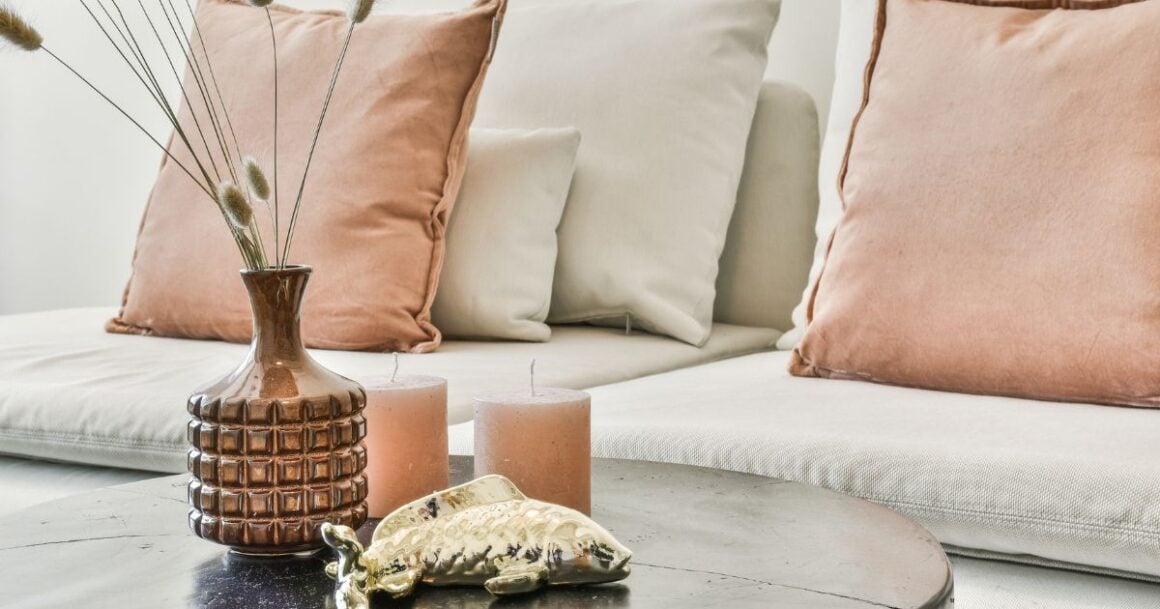
The hygge aesthetic is all about tactile comfort. Imagine sinking into a sofa layered with soft blankets, fluffy pillows, and a knitted throw.
Choose materials that invite touch—cotton, wool, linen, and wood. Keep colors neutral or warm, like creams, taupes, and soft greys.
The goal isn’t perfection; it’s creating an environment that feels safe and lived-in.
Even something as simple as pulling on thick socks or wrapping up in your favorite sweater can bring a sense of hygge comfort to your day.
4. Connection and Togetherness
At its heart, hygge is about human connection. It’s about shared laughter, heart-to-heart talks, and feeling truly seen.
In Denmark, gatherings are often small and intimate—dinner with close friends, movie nights, or long walks where conversations flow easily.
Hygge moments often happen when technology is set aside and people are fully present. They’re about depth, not drama.
Whether you’re hosting a meal, sharing a coffee, or sitting quietly reading a book, hygge invites you to reconnect with others and yourself.
5. Simplicity, Minimalism, and Slow Living
At its heart, the hygge lifestyle is simplicity done softly, a gentler version of minimalism that focuses on peace, comfort, and meaning over perfection or aesthetic trends.
You don’t have to live in a perfectly curated space or give away half your belongings to live hygge.
Instead, it’s about creating room to breathe—in your home, your schedule, and your mind. When you remove the clutter (physical or emotional), what’s left is space for calm, connection, and joy.
Hygge minimalism isn’t cold or strict—it’s cozy and forgiving. It’s a well-loved mug, not a designer one. It’s choosing what matters most and letting go of the rest with grace.
Here’s how to bring that simplicity of the Hygge lifestyle into your daily life:
- Start small. Clear one corner, one drawer, or one part of your day. You’ll feel the energy shift.
- Choose presence over perfection. A half-read book beside your bed or a cozy throw on the couch? That’s real life—and that’s hygge.
- Savor slow moments. Let your coffee cool as you enjoy the morning light. Cook slowly. Breathe deeply.
- Say no more often. Simplifying isn’t only about things—it’s about time, too. Leave space for rest, laughter, and meaning.
That’s the beauty of hygge minimalism—it doesn’t ask you to live with less; it invites you to live with what truly matters.
6. Nature and Fresh Air
Nature is a vital part of hygge. The Danes believe that fresh air clears the mind and lifts the spirit. A hygge walk, even on a cold day, can be deeply restorative. Notice the crunch of leaves, the scent of rain, or the sound of birds—it’s about awakening your senses.
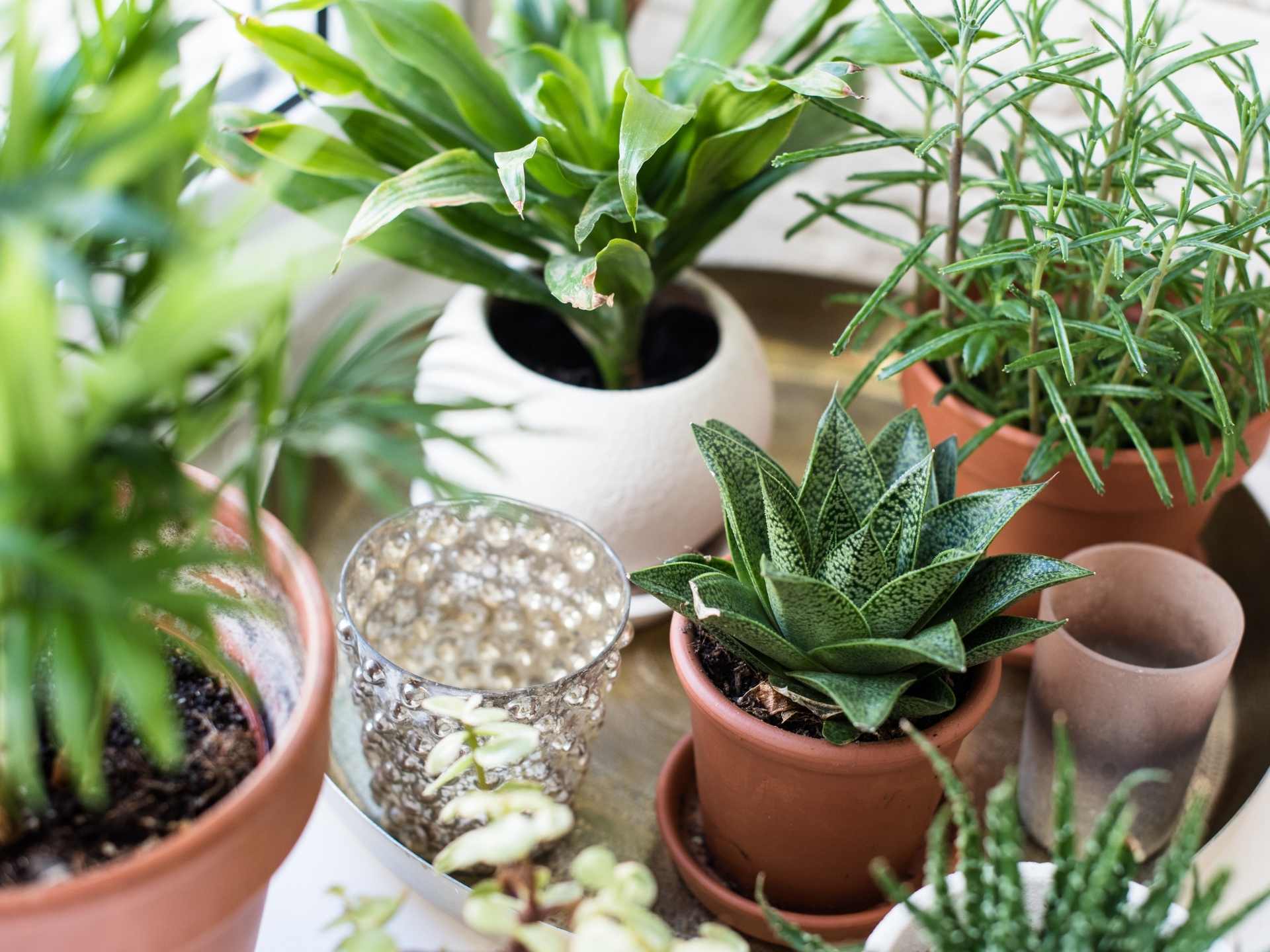
Bring nature inside, too. Add plants, flowers, or natural materials like wood and stone to your home. These small touches create a grounded, organic feel that promotes calm and balance.
As the Danish saying goes, “There’s no bad weather, only bad clothing.” So put on your coat and embrace the outdoors—it’s good for your soul.
7. Gratitude and Contentment
Hygge is an antidote to the “never enough” mindset. Instead of focusing on what’s missing, it invites you to celebrate what’s already here.
Gratitude transforms ordinary days into extraordinary ones.
You can start with something simple: each morning or evening, list three things you’re thankful for. Over time, you’ll start noticing beauty in places you once overlooked—the warmth of your home, your pet’s greeting, the comfort of a hot shower.
Gratitude is the heartbeat of hygge—it grounds you in the present and reminds you that joy is already within reach.
8. Comforting Rituals
Hygge isn’t just about big experiences—it’s built from daily moments that become rituals of comfort. Maybe it’s sipping your morning coffee in silence, lighting a candle before journaling, or playing soft music while cooking dinner.
Rituals signal to your mind and body that it’s time to slow down and be present. They create predictability in an unpredictable world, offering stability and peace.
Over time, these small habits become sacred—tiny anchors that pull you back to yourself when life feels overwhelming.

9. A Hygge Home
Your home should be your haven. Hygge design focuses on creating warmth and authenticity, not perfection.
Start by decluttering, but don’t strip your space of personality. Display things that tell your story—books, photos, art, travel souvenirs.
Use natural elements like wood, linen, and soft lighting to create balance. Add cozy corners: a reading nook, a favorite chair, or a window seat.
A hygge home whispers, “You’re safe here.”
10. Self-Care the Hygge Lifestyle
Self-care in the hygge sense isn’t performative—it’s intuitive. It’s about listening to what you need and giving yourself permission to rest, create, and restore.
Maybe it’s writing in your journal, painting, walking your dog, or baking something just for fun. Or, perhaps it’s setting healthy boundaries, turning off your phone, or saying no without guilt.
True hygge self-care honors your energy and emotions. It’s less about doing and more about being—being gentle, being grateful, and being fully yourself.
How to Incorporate More of the Hygge Lifestyle into Your Daily Routine
You don’t need to move to Denmark to live hygge. It’s about mindset more than location. Start small, and let it grow naturally.
- Create a cozy nook: A soft chair, warm blanket, and your favorite candle can make an ordinary corner magical.
- Host simple gatherings: Focus on togetherness. A pot of soup and good conversation go a long way.
- Unplug: Set boundaries around technology. Give yourself phone-free mornings or evenings.
- Celebrate the seasons: Each one brings its own flavor of hygge—fresh blooms in spring, beach walks in summer, cozy soups in autumn, and candlelight in winter.
- Savor the small stuff: The smell of coffee, the sound of rain, or your dog’s happy sigh. Those moments are life’s quiet miracles.
The Science Behind Hygge and Happiness
Denmark consistently ranks among the happiest countries in the world, and researchers believe hygge plays a significant role.
Studies show that people who create warm, connected environments experience lower stress, better relationships, and greater life satisfaction.
Psychologically, hygge helps regulate your nervous system. It lowers cortisol, the stress hormone, while increasing oxytocin—the bonding hormone. It creates safety, which allows joy to flourish.
In short: hygge isn’t just cozy—it’s good for your mental health.
Live The Hygge Lifestyle in Every Season
- Winter: Think candles, hot chocolate, fireside talks, and soft blankets.
- Spring: Fresh flowers, open windows, and light morning walks.
- Summer: Long dinners outdoors, candlelit patios, and barefoot evenings.
- Autumn: Pumpkin soup, wool sweaters, gratitude journaling, and golden leaves.
Related Articles
- Fall Nesting Ideas for Empty Nesters
- The Art of Thrifting: Finding Hidden Treasure
- How to Set Up a Home Art Studio
- Best Humidifiers for Plants and People
- Revamp Your Coffee Routine
- Houseplants Tips for Beginners
- How to Organize a Nightstand
- How to Have a Successful Garage Sale
- Productive Things to Do When Bored
FAQs About The Hygge Lifestyle
What does the hygge lifestyle really mean?
Hygge is a Danish word for coziness and comfort that nurtures well-being and happiness through simple pleasures. It’s a feeling of safety, connection, and ease.
Is the hygge lifestyle just for winter?
Not at all! Hygge can be practiced year-round—through candlelit dinners in summer, walks in autumn leaves, or spring picnics with friends.
How do I make my home more hygge?
Focus on soft lighting, cozy textures, natural materials, and items that bring joy and calm. Think of it as creating warmth, not perfection.
Is hygge lifestyle the same as minimalism?
They overlap, but hygge is about feeling more than design. It’s emotional minimalism—creating space for peace, connection, and joy.
How can I live more hygge every day?
Start small: savor your morning coffee, light a candle, spend time with loved ones, unplug, and practice gratitude. Hygge is about presence, not perfection.
Each season offers its own version of cozy—and each one reminds us that beauty exists year-round.
Conclusion: The. Hygge Lifestyle + Cozy Comfort
Hygge isn’t a trend; it’s a philosophy of living. It’s a choice to value presence over performance, to seek meaning over material, and to find joy in the in-between moments.
You don’t need to move to Denmark or light a thousand candles to live hygge.
You just need to notice the warmth already around you—the cup of coffee, the laugh with a friend, the quiet evening where everything feels just right.
Hygge reminds us that joy isn’t loud or flashy. It’s often found in the gentle whisper of the present moment—the cozy corners of a well-lived life.
XO, Christine

I’ve been keeping it real since 1963. 😊
I’m a child of God, devoted wife, proud mama and grandma, full-time creative, domestic engineer, and passionate self-care enthusiast.
I’m purpose-driven and do my best to live each day with intention—whether shopping for treasures, painting in my art studio, digging in the garden, or cooking up something yummy for my family.
I’m always up for a good chat and love collaborating with fellow creatives and brands.
Let’s connect—don’t be shy!