How to Cure a Wine Hangover and Avoid One Too! (20 Tips!)
In this comprehensive guide on how to cure a wine hangover fast, I’m diving deep into the most effective, science-backed remedies to help you recover quickly from post-drinking misery.
Whether you’re dealing with a red wine headache, nausea, or complete exhaustion, these proven hangover cures will help you bounce back faster.
This post may contain affiliate links. Click to visit policies and disclosures
Understanding Wine Hangovers: Why They Hit So Hard
Ah, the dreaded wine hangover! If you’ve ever woken up after a night of wine consumption with a pounding headache and overwhelming nausea, you know that alcohol-induced hangovers from wine are particularly brutal.
The morning after excessive alcohol consumption can leave you feeling absolutely miserable. But don’t despair – if you’re battling the dreaded after-effects of too much vino, you’ve come to the right place to learn evidence-based hangover relief strategies!
What is a Hangover? The Science Behind Post-Drinking Misery
A hangover is your body’s physical response to excessive alcohol consumption. These uncomfortable symptoms occur as your body works to metabolize ethanol and eliminate toxins from your system.
Hangover symptoms are caused by multiple factors:
- Dehydration from alcohol’s diuretic effects
- Acetaldehyde accumulation (a toxic alcohol byproduct)
- Blood sugar fluctuations and electrolyte imbalances
- Inflammation triggered by alcohol metabolism
- Disrupted sleep cycles affecting restoration
- Gastrointestinal irritation from stomach acid production
- Vasodilation causing those infamous hangover headaches
The Most Common Wine Hangover Symptoms
Wine hangover symptoms can range from mildly uncomfortable to completely debilitating. Here’s what you might experience:
- Severe headaches or migraines (often throbbing and persistent)
- Nausea and vomiting from stomach irritation
- Extreme fatigue and sluggishness even after sleeping
- Anxiety and mood changes (sometimes called “hangxiety”)
- Significant dehydration (dry mouth, dry eyes, excessive thirst)
- Light and sound sensitivity making everything feel overwhelming
- Brain fog and concentration difficulties
- Muscle aches and body weakness
- Dizziness and vertigo
- Rapid heartbeat (heart palpitations)
Why Wine Causes the Worst Hangovers
It’s a sad truth that wine hangovers often feel more severe than hangovers from other alcoholic beverages. Understanding why can help you make better drinking choices and recover more effectively.
The Three Main Culprits Behind Wine Hangovers
1. Congeners: The Fermentation Byproducts
Congeners are chemical compounds produced during alcohol fermentation and aging. These include methanol, acetone, acetaldehyde, and various esters and aldehydes.
Dark-colored wines and spirits contain higher congener levels, which is why red wine hangovers are notoriously severe. Your liver must work overtime to process both the ethanol and these additional toxic compounds, intensifying hangover symptoms.
2. Tannins: The Dehydration Accelerators
Wine contains high levels of tannins – polyphenolic compounds found in grape skins, stems, and seeds. While tannins contribute to wine’s flavor profile and potential health benefits, they can significantly worsen dehydration during alcohol consumption.
According to Wine Enthusiast, tannins can trigger headaches in sensitive individuals and accelerate fluid loss. Red wines typically contain much higher tannin content than white wines, making red wine hangovers more intense.
3. Sulfites: The Hidden Sensitivity Trigger
Sulfites are naturally occurring preservatives found in wine and other fermented beverages. While sulfites help preserve wine quality, some people have sulfite sensitivity that can cause allergic-type reactions.
Sulfite sensitivity symptoms include:
- Severe headaches and migraines
- Nausea and digestive distress
- Skin flushing or irritation
- Respiratory issues in extreme cases
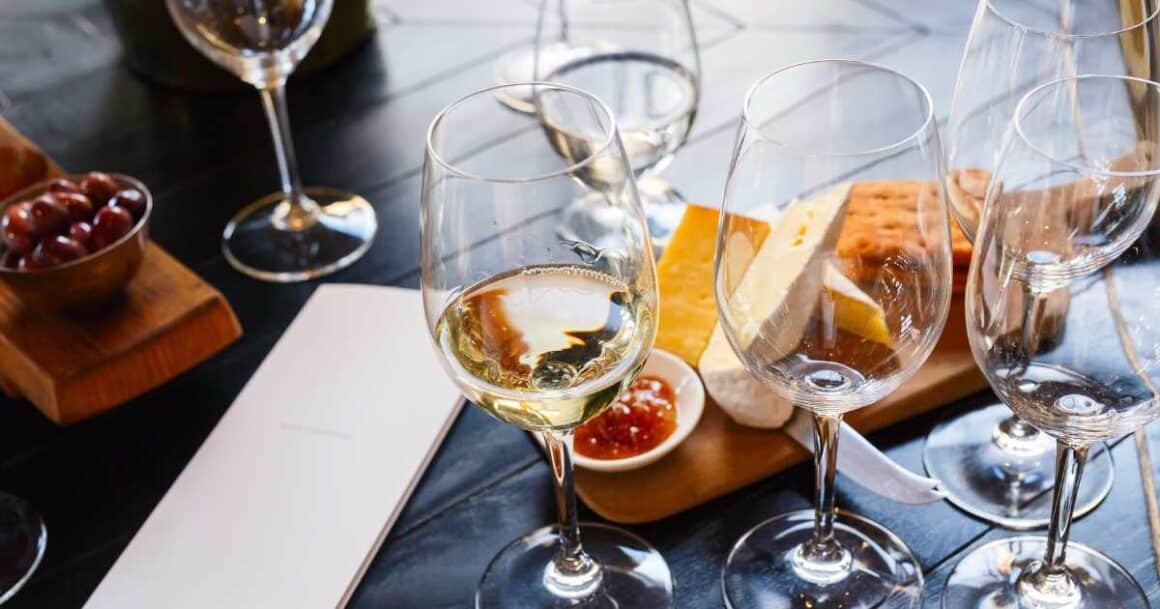
Which Types of Wine Cause the Worst Hangovers?
Not all wines are created equal when it comes to hangover potential.
Here’s how different wine types stack up:
Red Wine: The Hangover Champion
Red wine consistently ranks as the worst offender for hangovers. Made from dark grapes with prolonged skin contact, red wines contain the highest levels of congeners, tannins, histamines, and sulfites.
The combination creates a perfect storm for severe hangover symptoms.
Most problematic red wines:
- Cabernet Sauvignon
- Malbec
- Syrah/Shiraz
- Barolo and heavy Italian reds
White Wine: A Lighter Option (But Not Innocent)
White wines generally contain lower congeners and tannin levels than reds, but they can still cause significant hangovers, particularly sweet varieties with high sugar content.
The sugar can cause blood glucose spikes and crashes, worsening fatigue and headaches.
Sweet Wines: Sugar-Induced Suffering
Sweet wines like Sauternes, Moscato, and sweet Rieslings contain high residual sugar levels that can lead to rapid dehydration, blood sugar crashes, and intensified hangover symptoms.
Sparkling Wines: The Carbonation Effect
Sparkling wines like Champagne, Prosecco, and Cava contain high carbonation levels that can accelerate alcohol absorption into your bloodstream.
This means faster intoxication and potentially worse hangovers, especially when consumed on an empty stomach.
Fortified Wines: High Alcohol Content Consequences
Fortified wines like Port, Sherry, and Madeira pack significantly higher alcohol by volume (ABV), often 17-20% compared to regular wine’s 12-14%.
The increased alcohol content means more ethanol for your liver to process, leading to more severe hangover symptoms.
The 20 Best Ways to Cure a Wine Hangover Fast
Now let’s get to what really matters – how to cure that awful wine hangover as quickly as possible! These evidence-based remedies combine traditional wisdom with modern science.
1. Prioritize Aggressive Rehydration
Hydration is hands-down the most critical hangover cure. Alcohol acts as a diuretic, causing excessive fluid loss and electrolyte depletion. Proper rehydration helps restore fluid balance, flush out toxins, and alleviate many hangover symptoms.
Best rehydration strategy for a wine hangover:
- Drink 16-20 oz of water immediately upon waking
- Continue drinking water throughout the day (aim for 80-100 oz total)
- Include electrolyte-rich beverages like coconut water or sports drinks
- Avoid excessive caffeine which can worsen dehydration
Pro tip: Drink water between alcoholic drinks during consumption, and always have a large glass of water at your bedside for overnight rehydration.
Related Article: How to Make Sure You’re Drinking Enough Water
2. Restore Electrolyte Balance
Alcohol consumption depletes crucial electrolytes including sodium, potassium, and magnesium. This electrolyte imbalance contributes to fatigue, muscle cramps, headaches, and cognitive fog.
Best electrolyte sources for hangover recovery:
- Coconut water – natural electrolytes with minimal sugar
- Pedialyte – medical-grade electrolyte replacement
- Sports drinks (choose low-sugar options)
- Bone broth – provides sodium, minerals, and easy-to-digest nutrients
- Electrolyte powder packets for convenient rehydration
3. Get Quality Rest and Sleep
Alcohol severely disrupts sleep architecture, reducing REM sleep and overall sleep quality. Even if you “slept” for 8 hours, you likely didn’t get restorative rest.
How sleep helps hangover recovery:
- Allows your liver to process remaining alcohol and toxins
- Enables cellular repair and inflammation reduction
- Restores neurotransmitter balance
- Reduces cortisol (stress hormone) levels
Sleep optimization tips:
- Keep your room cool, dark, and quiet
- Avoid screens for at least 30 minutes before attempting sleep
- Use eye masks or blackout curtains
- Try calming herbal teas (chamomile, valerian root)
Related Article: How to make sure you drinking enough water

4. Eat Strategic Hangover Recovery Foods
Eating the right foods can significantly accelerate hangover recovery by stabilizing blood sugar, replenishing nutrients, and settling your stomach. Focus on bland, easily digestible foods that won’t aggravate nausea.
Avoid greasy, fatty foods despite the common misconception – they can actually worsen digestive distress and slow recovery.
The Best Hangover Recovery Foods:
Saltine Crackers My absolute go-to for upset stomachs! Saltines help absorb excess stomach acid, reduce nausea, and provide easily digestible carbohydrates. The salt content also helps replenish sodium lost through dehydration.
Pickles for Hangover Relief Pickles are surprisingly effective hangover fighters! They’re packed with sodium and electrolytes, helping rehydrate your body quickly.
Bananas: Nature’s Hangover Cure Bananas contain natural sugars for quick energy, potassium to restore electrolyte balance, and magnesium to reduce muscle cramps.
Toast with Honey Toast provides easy-to-digest carbohydrates that stabilize blood sugar, while honey contains fructose that helps metabolize alcohol faster. This combination is both soothing and energizing.
Greek Yogurt Yogurt replenishes lost electrolytes and provides protein for sustained energy. The probiotics support healthy digestion and can reduce stomach discomfort. *Choose plain varieties to avoid added sugars.
Eggs: Amino Acid Powerhouses Eggs contain cysteine, an amino acid that helps break down acetaldehyde – the toxic alcohol byproduct responsible for many hangover symptoms.
Ginger: Natural Anti-Nausea Medicine Whether consumed as ginger tea, ginger ale (choose real ginger varieties), candied ginger, or fresh ginger slices, this root has powerful anti-nausea properties backed by scientific research.
Watermelon: Hydration Plus Nutrients With 92% water content, watermelon provides excellent hydration along with vitamins, minerals, and L-citrulline – an amino acid that may improve blood flow and reduce muscle soreness.
Oatmeal: Sustained Energy Release Oats provide complex carbohydrates for steady energy, B vitamins that support alcohol metabolism, and soluble fiber that aids digestion.
Avocado: Potassium and Healthy Fats Avocados contain even more potassium than bananas, plus healthy fats that help absorb fat-soluble vitamins and provide lasting satiety without overwhelming your digestive system.
Tomatoes: Lycopene and Liver Support Tomatoes contain lycopene (an antioxidant), fructose, and vitamin C – all beneficial for alcohol metabolism. *They’re the star ingredient in bloody marys for good reason!
Honey: Natural Sugar for Metabolism Honey provides fructose that helps your body metabolize alcohol more efficiently. It also contains antioxidants and has soothing properties.
5. Try Light Physical Activity
While intense exercise might seem impossible with a hangover, light physical activity can actually help speed recovery by boosting circulation, releasing endorphins, and promoting toxin elimination through sweat.
Best gentle exercises for hangover recovery:
- Yoga – my personal favorite for clearing hangover fog
- Walking – fresh air and movement without intensity
- Gentle stretching – improves circulation and reduces body aches
- Swimming – low-impact with hydrating benefits
Important: Listen to your body. If you feel dizzy, nauseated, or extremely fatigued, rest instead. Never push through severe symptoms.

6. Take Strategic Supplements
Modern science has identified several supplements that can significantly reduce hangover severity by supporting liver function, reducing inflammation, and replenishing depleted nutrients.
Essential Hangover Supplements:
B-Complex Vitamins B vitamins (especially B1, B2, B6, and B12) are rapidly depleted by alcohol consumption. They’re essential for energy production, cognitive function, and alcohol metabolism. Taking a B-complex can reduce fatigue and improve mental clarity.
Dihydromyricetin (DHM) DHM is a flavonoid compound extracted from the Oriental Raisin Tree with impressive scientific backing. Research suggests DHM can:
- Reduce alcohol absorption and blood alcohol levels
- Protect liver cells from alcohol-induced damage
- Reduce inflammation and oxidative stress
- Minimize hangover symptoms when taken before, during, and after drinking
I swear by these purple DHM pills – they work like magic when taken proactively!
N-Acetyl Cysteine (NAC) NAC is a powerful antioxidant that helps your body produce glutathione – your liver’s master detoxifier. It helps:
- Break down acetaldehyde more efficiently
- Reduce inflammation and oxidative stress
- Protect liver cells from alcohol damage
- Decrease nausea and vomiting
Vitamin C Vitamin C is a potent antioxidant that protects your liver from alcohol-induced damage, reduces inflammation, and supports immune function. Alcohol consumption can deplete vitamin C stores, so supplementation helps restore optimal levels.
Magnesium Magnesium is crucial for hundreds of enzymatic reactions in your body.
Alcohol depletes magnesium, contributing to headaches, muscle cramps, fatigue, and anxiety. Supplementing can significantly improve hangover symptoms.
Milk Thistle (Silymarin) Milk thistle has been used for centuries as a liver tonic. Its active compound, silymarin, protects liver cells from toxins, supports liver regeneration, and may reduce hangover severity.
Prickly Pear Extract Research shows prickly pear extract can reduce nausea, inflammation, and overall hangover severity.
Activated Charcoal Activated charcoal can bind to toxins in your digestive system, potentially reducing their absorption. While evidence is mixed, many people report it helps with digestive symptoms when taken before bed.
7. Use Herbal Remedies
Traditional herbal medicine offers several effective hangover remedies backed by both historical use and modern research.
Ginger Tea Ginger is scientifically proven to reduce nausea and vomiting. Sipping ginger tea can calm digestive upset and reduce inflammation throughout your body.
Peppermint Tea Peppermint contains menthol, which has antispasmodic properties that relieve stomach cramps, reduce nausea, and soothe digestive distress. It’s also refreshing and hydrating.
Kudzu Root Traditional Chinese medicine has used kudzu root for centuries to treat alcohol intoxication and hangovers. Modern research suggests it may help reduce inflammation and protect the liver.
Red Panax Ginseng Studies show red ginseng can improve hangover symptoms including memory impairment, concentration difficulties, thirst, nausea, and overall discomfort.
Rhodiola Rosea This adaptogenic herb helps reduce fatigue, improve mental clarity, and decrease stress – all beneficial for hangover recovery
Related Article: The Best Supplements for 50+ Women
8. Take Appropriate Pain Relievers
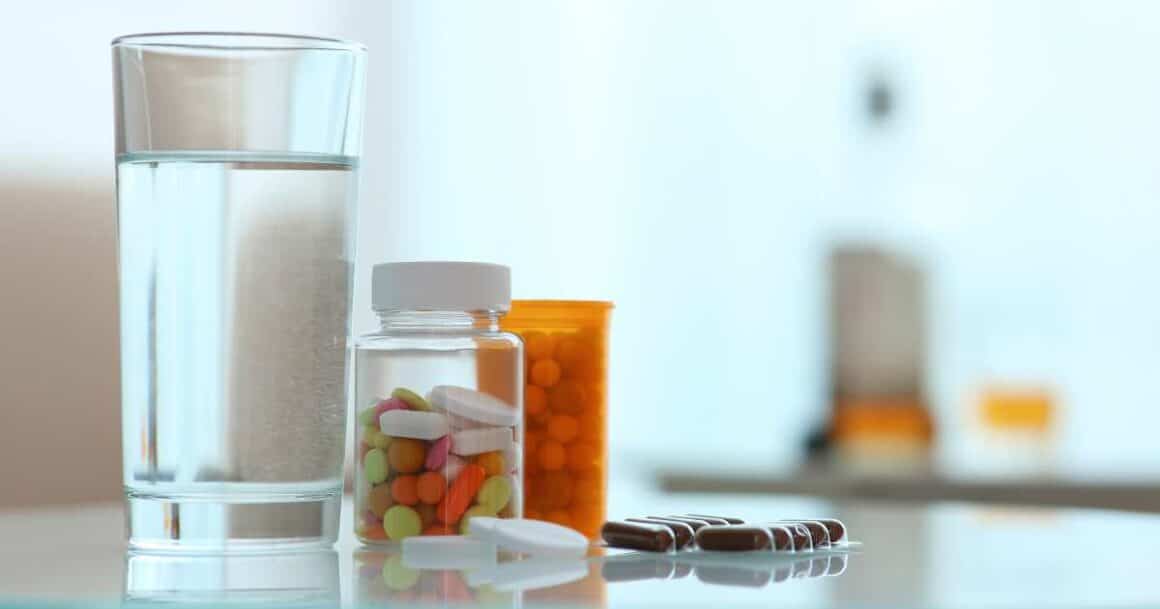
Over-the-counter pain medications can provide relief from hangover headaches and body aches, but choosing the right one is crucial.
Safe pain relievers for hangovers:
- Ibuprofen (Advil, Motrin) – reduces inflammation and headache pain
- Aspirin – alleviates headaches and body aches
- Naproxen (Aleve) – longer-lasting anti-inflammatory relief
CRITICAL WARNING: According to Harvard Medical School, NEVER take acetaminophen (Tylenol) for a hangover. When alcohol is still in your system, acetaminophen can cause severe liver damage and toxicity.
Important note: NSAIDs like ibuprofen and aspirin can irritate an already sensitive stomach. Take them with food and consider an antacid if you’re prone to stomach issues.
9. Coffee: The Caffeine Cure (With Caution)
A cup or two of coffee can help combat hangover fatigue and may reduce headache pain by constricting dilated blood vessels.
Benefits of caffeine for hangovers:
- Increases alertness and mental clarity
- May reduce headache intensity
- Provides temporary energy boost
- Improves mood and motivation
Caution: Coffee is a diuretic, so it can worsen dehydration if you’re not careful. Always drink extra water alongside your coffee, and limit intake to 1-2 cups to avoid jitteriness or anxiety.
Related Article: How to Make the Best Coffee at Home
10. Combat Nausea with Anti-Emetics
If you’re experiencing severe nausea or vomiting, over-the-counter medications can provide significant relief:
Antacids (Pepcid, Tums, Alka-Seltzer) Alcohol irritates your stomach lining and increases acid production. Antacids neutralize excess stomach acid, reducing nausea, heartburn, and abdominal discomfort.
Ginger supplements Ginger capsules or chews provide concentrated anti-nausea benefits without needing to brew tea.
Prescription options for severe nausea, your doctor may prescribe medications like ondansetron (Zofran), which is highly effective but requires a prescription. (it’s a lifesaver, y’all!)
11. Hot Bath or Shower Therapy
Hydrotherapy can provide surprising relief from hangover symptoms through multiple mechanisms.
Benefits of hot water therapy:
- Relaxes tense muscles and reduces body aches
- Improves circulation and oxygen delivery
- Opens blood vessels for better toxin elimination
- Provides calming, meditative relaxation
- Steam can help with congestion and sinus pressure
My personal technique: Start with hot water to relax and sweat, then finish with cool water to reduce facial puffiness and invigorate your system. The temperature contrast also stimulates circulation.
12. Try Electrolyte-Enhanced Beverages
Beyond plain water, specialized electrolyte drinks can accelerate rehydration and recovery.
Top Electrolyte Drinks for Hangover Recovery:
Liquid IV Hydration Multiplier My personal favorite! Liquid IV uses Cellular Transport Technology (CTT) to enhance rapid water absorption. Each packet contains optimal ratios of sodium, potassium, and glucose. Available in multiple delicious flavors in convenient single-serving packets.
Pedialyte AdvancedCare Plus Originally designed for children with dehydration, Pedialyte is now the gold standard for adult hangover recovery. It contains medical-grade electrolyte replacement with optimal sodium-to-potassium ratios.
Downside: It tastes absolutely terrible! But it works incredibly well.
Coconut Water Nature’s sports drink! Coconut water contains natural electrolytes (especially potassium), minimal sugar, and is easily digestible. It’s also delicious as a cocktail mixer to prevent hangovers in the first place!
Nuun Hydration Tablets These effervescent tablets dissolve in water to create a refreshing electrolyte drink. They’re sugar-free, vegan, low-calorie, and come in numerous flavors. Super convenient for travel or keeping in your purse.
Osmo Active Hydration This sports hydration drink contains optimal ratios of sucrose, glucose, and electrolytes specifically formulated for rapid absorption and cellular hydration.
Sugar-Free Gatorade Classic Gatorade has been helping athletes recover for decades. Choose sugar-free or low-sugar varieties to avoid blood sugar crashes that can worsen hangover symptoms.
7UP or Sprite These lemon-lime sodas are caffeine-free and can help settle upset stomachs. The carbonation and sugar can provide quick relief from nausea (though too much sugar isn’t ideal).
Ginger Ale (choose real ginger varieties) Look for ginger ale made with real ginger for maximum anti-nausea benefits. The carbonation also helps settle queasy stomachs. I prefer sugar-free varieties to avoid crashes.
13. Get Fresh Air and Sunlight
Don’t underestimate the power of getting outside, even if it feels like the last thing you want to do. The fresh air, sunshine, and grounding will do you good.
Even a short 10-15 minute walk outside can make a significant difference in how you feel.
Benefits of fresh air for hangover recovery:
- Increases oxygen levels in your blood
- Natural sunlight boosts vitamin D and mood-regulating serotonin
- Changes of scenery can reduce anxiety and improve mental state
- Gentle movement helps circulation
- Nature exposure reduces stress hormones
14. Practice Acupressure Techniques
Acupressure, an ancient Chinese healing practice, can provide drug-free relief from hangover symptoms.
Key acupressure points for hangover relief:
P6 (Neiguan) – Anti-Nausea Point Located on your inner forearm, about three finger-widths below your wrist crease. Apply firm pressure for 30-60 seconds to reduce nausea.
GB20 (Feng Chi) – Headache Relief Point Located at the base of your skull in the hollows on either side of your neck. Apply firm, circular pressure to relieve headaches.
LI4 (Hegu) – General Pain Relief Located in the webbing between your thumb and index finger. Pressure here can help with headaches and general discomfort.
Want to learn more? Check out this excellent article from MD Anderson about using acupressure for headaches, nausea, and anxiety.

15. “Hair of the Dog” – Does It Actually Work?
“Hair of the dog” refers to drinking more alcohol to cure a hangover. The theory is that hangover symptoms are partially caused by alcohol withdrawal, so more alcohol provides temporary relief.
The truth: While having another drink may temporarily mask hangover symptoms, experts warn this approach is problematic. It merely delays the inevitable hangover and can worsen dehydration while potentially contributing to unhealthy drinking patterns.
My honest take: I’m 100% confident that a little hair of the dog can provide temporary relief when combined with other recovery strategies – but it should be used sparingly and responsibly.
Best “hair of the dog” drinks if you choose this route:
Light Beer (my personal choice) Beer contains B vitamins and some electrolytes. The lower alcohol content means you’re not adding significant additional alcohol to metabolize.
Bloody Mary A classic brunch hangover remedy! The tomato juice provides vitamin C, fructose for alcohol metabolism, electrolytes, and nutrients. The vodka numbs pain, while the savory flavors can be easier on sensitive stomachs than sweet drinks.
Mimosa The champagne provides that hair of the dog effect, while orange juice offers vitamin C, natural sugars, and hydration.

16. Consider IV Hydration Therapy
IV hydration treatments have become increasingly popular for rapid hangover recovery, particularly in cities with “hangover clinics.”
How IV therapy works: Medical professionals administer fluids, electrolytes, vitamins, and sometimes medications directly into your bloodstream, bypassing your digestive system for immediate absorption and effect.
Common IV hangover treatments:
Vitamin Cocktail Combination of B-complex vitamins, vitamin C, and other nutrients to restore energy and support detoxification.
Hangover Hydration Rapid rehydration with electrolyte-balanced fluids to combat dehydration symptoms immediately.
Detoxification Formula Targets liver support with glutathione, NAC, and other antioxidants to accelerate toxin elimination.
Immune Booster High-dose vitamins and minerals to support immune function and overall recovery.
Anti-Nausea Add-ons Medications like ondansetron (Zofran) to eliminate nausea quickly.
Cost consideration: IV treatments typically range from $100-$300 per session and aren’t covered by insurance for hangover recovery.
17. Strategic Meal Timing
What you eat and when you eat it can significantly impact recovery speed.
Immediately upon waking: Start with easily digestible foods like crackers or toast to stabilize blood sugar without overwhelming your stomach.
Within 1-2 hours: Progress to a more substantial breakfast with protein, complex carbohydrates, and healthy fats (eggs, oatmeal, avocado, yogurt).
Throughout the day: Eat small, frequent meals rather than large ones to maintain stable blood sugar and avoid overwhelming your digestive system.
Foods to avoid when you have a hangover:
- Greasy, fried foods (harder to digest)
- Highly spicy foods (can irritate stomach)
- Excessive caffeine (can worsen dehydration)
- High-sugar foods (can cause blood sugar crashes)
18. Restore Gut Health
Alcohol damages your gut lining and disrupts your microbiome, contributing to nausea, digestive issues, and even mood problems.
Gut-healing strategies to help with a hangover:
- Probiotic-rich foods (yogurt, kefir, sauerkraut, kimchi)
- Bone broth (soothing, easy to digest, mineral-rich)
- Glutamine supplements (helps repair gut lining)
- Digestive enzymes (support food breakdown)
- Avoid irritants (alcohol, caffeine, spicy foods) while recovering
19. Mind-Body Techniques for Anxiety Relief
Many people experience “hangxiety” – alcohol-induced anxiety that occurs during hangover recovery. This happens due to neurotransmitter imbalances and stress hormone fluctuations.
Anxiety-reducing techniques for a hangover:
- Deep breathing exercises (4-7-8 breathing technique)
- Meditation or mindfulness (even 5-10 minutes helps)
- Gentle yoga (combines movement with breathwork)
- Progressive muscle relaxation
- Limiting screen time (reduces additional stimulation)
- Calming music or nature sounds

20. Time: The Ultimate Hangover Cure
Here’s the truth: the only true “cure” for a hangover is time. Your liver needs time to metabolize alcohol and clear toxins from your system. This process cannot be rushed, only supported.
Realistic recovery of a hangover:
- Mild hangover: 4-8 hours
- Moderate hangover: 12-18 hours
- Severe hangover: 24-48 hours
Prevention: How to Avoid a Wine Hangover
Benjamin Franklin wisely said, “An ounce of prevention is worth a pound of cure!” When it comes to hangovers, truer words have never been spoken.
7 Proven Prevention Strategies to Avoid a Wine Hangover
1. Drink in Moderation and Pace Yourself
The single most effective hangover prevention strategy is limiting alcohol intake. Medical experts recommend no more than 2-3 standard drinks in a single session.
Smart pacing strategies to avoid a hangover:
- Set a drink limit before you start and stick to it
- Drink slowly, savoring each glass
- Take breaks between drinks (at least 30-60 minutes)
- Use smaller wine glasses to control portions
- Avoid “keeping up” with others
- Know your limits and respect them
2. Alternate Alcoholic Drinks with Water
The “one-for-one rule” is highly effective: drink one full glass of water between each alcoholic beverage.
Why this works to help avoid a hangover:
- Slows alcohol consumption
- Maintains hydration throughout the evening
- Helps dilute alcohol concentration
- Reduces total alcohol intake naturally
- Gives your liver more time to process alcohol
3. Never Drink on an Empty Stomach
Food in your stomach significantly slows alcohol absorption, reducing peak blood alcohol levels and minimizing hangover severity.
Best pre-drinking meal strategy:
- Eat a substantial meal 1-2 hours before drinking
- Include complex carbohydrates (whole grains, pasta, rice)
- Add lean protein (chicken, fish, beans)
- Include healthy fats (olive oil, avocado, nuts)
- Avoid overly spicy or acidic foods
Post-drinking meal: I swear by eating a good-sized meal after a night of drinking. The food helps absorb remaining alcohol, stabilizes blood sugar, and provides nutrients for recovery.
4. Choose Wine Wisely
Not all wines are equally likely to cause hangovers. Making strategic selections can significantly reduce next-day misery.
Lower-risk wine choices to avoid a hangover:
- Dry white wines (Sauvignon Blanc, Pinot Grigio, Albariño)
- Organic wines (lower sulfite content)
- Quality wines (generally contain fewer additives)
- Lower alcohol wines (12% or less ABV when possible)
Higher-risk wines to avoid or limit:
- Heavy red wines (Cabernet, Malbec, Shiraz)
- Sweet dessert wines
- Bargain or low-quality wines (may contain more additives)
- High-alcohol wines (15%+ ABV)
Pro tip: Clear spirits like vodka or gin mixed with non-sugary mixers typically cause less severe hangovers than wine.
5. Take Preventative Supplements
Taking the right supplements before, during, and after drinking can significantly reduce hangover severity.
Effective preventative supplements:
- Purple Tree’s herbal multivitamin pills: These little purple pills are specially formulated to promote healthy liver function and replenish key vitamins and electrolytes. For best results, take before, during, and after consuming alcohol.
- More Labs Morning Recovery drinks: These can be taken before, during, and after consuming alcohol. They contain many ingredients I’ve mentioned throughout this article to treat hangovers and work like magic. Word of warning, they taste terrible!
- H-PROOF The Anytime You Drink Vitamin: This vitamin contains Vitamin B6, Thiamin, Riboflavin, Niacin, Folate, Vitamin B12, Antioxidants, and liver supporters with Electrolytes to hydrate and help rebalance after drinking.
6. Prioritize Quality Sleep
Getting adequate sleep before drinking gives your body resources to handle alcohol metabolism more effectively.
Pre-drinking sleep optimization:
- Get 7-9 hours of sleep the night before drinking
- Avoid sleep deprivation before social events
- Maintain regular sleep schedules when possible
Post-drinking sleep:
- Allow extra time for sleep after drinking
- Create optimal sleep environment (cool, dark, quiet)
- Avoid screens before bed
- Keep water at bedside for overnight hydration
7. Know Your Personal Limits
Everyone metabolizes alcohol differently based on genetics, body weight, sex, age, medications, and overall health.
Factors affecting alcohol tolerance:
- Body weight and composition (more body water = better dilution)
- Biological sex (women typically have lower tolerance)
- Age (tolerance decreases with age)
- Genetics (enzyme variations affect metabolism)
- Medications (many interact with alcohol)
- Overall health (liver function, hydration status)
- Food intake and timing
Learn from experience: Pay attention to which wines, quantities, and circumstances lead to worse hangovers for you personally, and adjust accordingly.
Related Articles for Women 40+
- Benefits of Coconut Water for a Hangover
- The 6 Pillars of Health for Women
- 100 Things Every Woman Should Own
- The (8) Eight Types of Self-Care
- Make a Stress Management Plan
- 100 Things to Put in Your Purse
- The Health Benefits of Coconut Water
- How to Age Gracefully
- Best Self-care Ideas for Women
- 10 Things to Do First Thing in the Morning
- Self-Care Tips for Mental Health
- How to Drink The Damn Water!
- How to Develop Healthy Boundaries
FAQs How to Cure a Wine Hangover
What causes a wine hangover?
Wine hangovers result from multiple factors: ethanol metabolism producing toxic acetaldehyde, dehydration from alcohol’s diuretic effects, congeners (fermentation byproducts), tannins, sulfites, blood sugar fluctuations, electrolyte depletion, inflammation, and disrupted sleep patterns.
Red wine causes particularly severe hangovers due to higher congener and tannin content.
How can I cure a wine hangover fast?
The fastest wine hangover cure involves aggressive rehydration with water and electrolyte drinks, eating easy-to-digest foods rich in nutrients, taking B-complex vitamins and NAC supplements, getting additional rest, and taking appropriate pain relievers (avoiding Tylenol).
However, complete recovery requires time for your liver to metabolize alcohol – typically 12-24 hours for moderate hangovers.
What foods help cure a wine hangover?
The best hangover foods include bananas, which provide potassium and natural sugars, and eggs, rich in cysteine to help with alcohol metabolism.
Enjoy oatmeal for its B vitamins and long-lasting energy, and try toast with honey for quick carbs and fructose. Yogurt offers probiotics and protein, while pickles help replenish electrolytes. Ginger can soothe nausea, watermelon keeps you hydrated, and avocado supplies potassium and healthy fats.
Remember to steer clear of greasy, spicy, or sugary foods to help your recovery.
How do I prevent a wine hangover?
Some helpful prevention tips are to enjoy alcohol responsibly by keeping it to 2-3 drinks max, savor each sip by alternating with water, and never drink on an empty stomach.
You might also prefer lighter wines instead of heavier reds, consider taking supplements like DHM and NAC, ensure you’re well-rested, and be aware of what your personal alcohol tolerance is. These small steps can make a big difference in enjoying a safe and pleasant experience.
Is there truth to the “hair of the dog” remedy?
Drinking more alcohol can temporarily mask hangover symptoms by delaying withdrawal effects, but it’s not a true cure.
How long does a wine hangover typically last?
Hangover duration varies based on alcohol consumption amount, individual metabolism, hydration status, and overall health. Mild hangovers may resolve within 4-8 hours, moderate hangovers typically last 12-18 hours, and severe hangovers can persist for 24-48 hours.
Do certain wines cause worse hangovers than others?
Yes, absolutely. Red wines cause the worst hangovers due to high levels of congeners, tannins, and histamine. Dark-colored wines and those with high alcohol content (15%+ ABV) are more problematic.
Can supplements really prevent or cure hangovers?
Research supports several supplements for hangover prevention and recovery. DHM (dihydromyricetin) shows strong evidence for reducing alcohol absorption and supporting liver function.
NAC helps break down toxic acetaldehyde. B-complex vitamins replenish depleted nutrients. Electrolyte supplements restore mineral balance.
While supplements can significantly reduce hangover severity, they don’t eliminate the need for moderation and hydration.
Should I take Tylenol for a hangover headache?
Never take Tylenol (acetaminophen) for a hangover. According to studies, acetaminophen combined with alcohol remaining in your system can cause severe liver damage and toxicity.
Safe alternatives include ibuprofen, aspirin, or naproxen, though these should be taken with food to avoid stomach irritation.
Does drinking water while consuming alcohol prevent hangovers?
100%. Drinking water alongside alcohol significantly reduces hangover severity by slowing alcohol absorption, maintaining hydration, diluting alcohol concentration, and giving your liver more time to metabolize alcohol.
The “one-for-one” rule (one glass of water between each alcoholic drink) is highly effective for minimizing dehydration and reducing next-day symptoms.
Conclusion: How to Cure a Wine Hangover
Wine hangovers are absolutely miserable, but you don’t have to suffer needlessly! By understanding what causes these brutal after-effects and implementing the science-backed remedies and prevention strategies I’ve shared, you can minimize discomfort and recover faster.
Key takeaways for hangover management:
- Hydration is king – prioritize water and electrolytes above everything else
- Prevention beats treatment – strategic planning before drinking is most effective
- Food matters – never drink on an empty stomach and eat recovery foods
- Quality supplements work – DHM, NAC, and B-vitamins have solid research backing
- Time heals all hangovers – be patient with your body’s recovery process
- Moderation is wisdom – know your limits and respect them
Remember, the absolute best cure for a hangover is prevention through responsible drinking! But when you do overindulge, these evidence-based strategies will help you bounce back faster.
Stay hydrated, be kind to your liver, and drink responsibly, friends!
XO, Christine

I’ve been keeping it real since 1963. 😊
I’m a child of God, devoted wife, proud mama and grandma, full-time creative, domestic engineer, and passionate self-care enthusiast.
I’m purpose-driven and do my best to live each day with intention—whether shopping for treasures, painting in my art studio, digging in the garden, or cooking up something yummy for my family.
I’m always up for a good chat and love collaborating with fellow creatives and brands.
Let’s connect—don’t be shy!