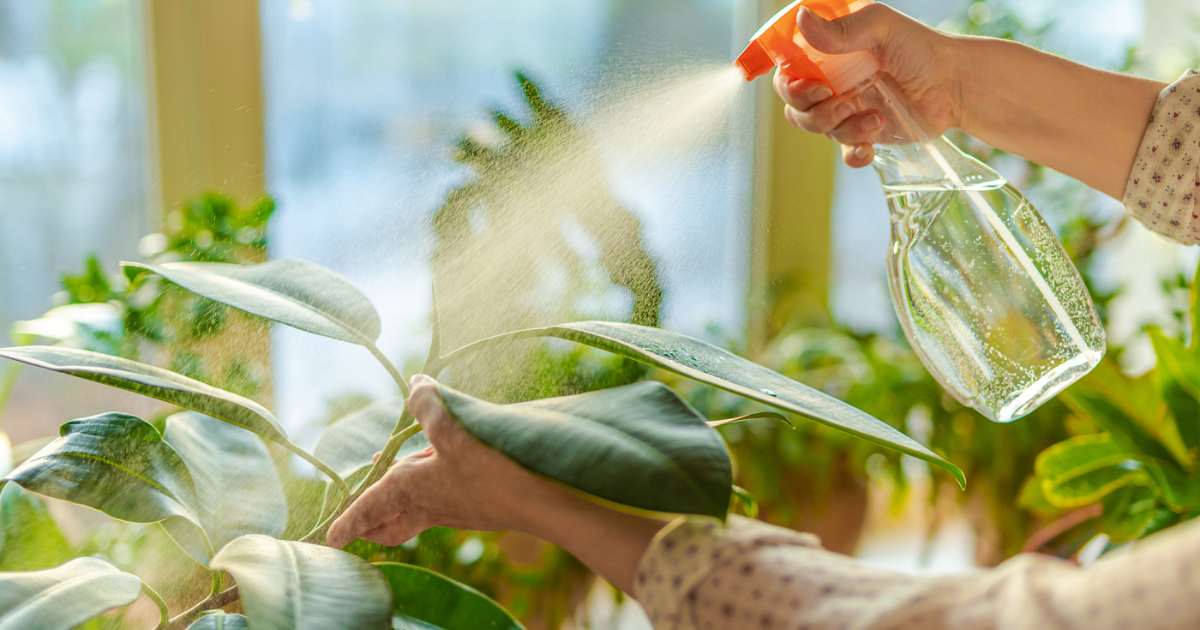
My Guide to the Best Neem Oil for Plants for 2026
If there is one thing I’ve learned in my years as a “crazy plant lady”, it’s that nature usually has the best solutions. Whether you’re tending to a flourishing vegetable garden or a collection of indoor houseplants like Monstera and Hoya, there is nothing more heartbreaking than seeing your plants struggle because of pests.
The best solution is pure neem oil derived from neem seeds. This organic insecticide is a total game-changer for those of us who share our homes with plants.
Because it’s non-toxic to pets and grandkids, it’s the perfect choice for treating indoor plant pests like fungus gnats, spider mites, and mealybugs without filling your living room with toxic fumes.
In this guide, I’m sharing my top picks for the best neem oil for plants, ranging from 100% cold-pressed concentrates for a deep clean to convenient, odor-neutralized sprays that make indoor maintenance a breeze.
Let’s keep your indoor jungle and outdoor beds vibrant and pest-free!
This post may contain affiliate links. Click to visit policies and disclosures
The Best Neem Oil for Plants + Gardens too!
If you are looking for a way to protect your “green family” without harsh chemicals, you’ve found it. Neem oil is a natural byproduct of the Azadirachta indica (Neem tree) and has been the gold standard in organic gardening for centuries.
The “magic” in the oil comes from Azadirachtin. This active compound acts as a powerful deterrent, repelling pests and disrupting their growth and reproduction. Whether you are tending to a windowsill herb garden or a lush indoor jungle, neem oil is your most versatile ally.
Broad-Spectrum Defense: Pests and Diseases Neem Oil Controls
Neem oil is an effective insecticide and natural fungicide that eliminates over 200 species of pests while treating stubborn fungal infections.
Common Pests Banished by Neem Oil:
- The Tiny Invaders: Aphids, Spider Mites, Thrips, and Whiteflies.
- The Soil Dwellers: Fungus Gnats and Grub larvae.
- The “Hiders”: Mealybugs (that white fuzz!), Scale insects, and Leaf hoppers.
- The Garden Eaters: Japanese Beetles and Caterpillars.
Fungal Infections & Diseases Treated:
As a natural fungicide, neem oil creates a protective barrier on the leaf surface to combat:
- Powdery Mildew & Black Spot: Those unsightly white dustings or dark blemishes.
- Leaf Spot & Scab: Fungal or bacterial infections that disfigure foliage.
- Anthracnose & Botrytis: Serious conditions like gray mold or browning that can quickly kill a plant if left untreated.
How Does Neem Oil Work?
Neem oil doesn’t just kill on contact; it works from the inside out. When an insect encounters the oil, the Azadirachtin interferes with its hormonal system.
This makes it impossible for them to lay eggs, mature, or feed. Over time, the infestation simply fades away.
A Note on “Good Bugs”: As a plant mama, I care about our pollinators! In my experience, neem oil is safe for beneficial insects like bees, butterflies, and ladybugs. Because these “good bugs” don’t eat the leaves of your plants, they aren’t harmed by the neem residue.
Application Methods: How to Use Neem Oil on Your Plants
Every plant parent has a different routine. Depending on your needs, you can apply neem in three effective ways:
1. Neem Foliar Spray (The All-In-One Solution)
This is the most popular method and doubles as a natural leaf shine.
- How to use: You can buy “Ready-to-Use” (RTU) sprays or make your own using cold-pressed neem oil, water, and a drop of mild dish soap as an emulsifier.
- Pro Tip: Always spray in the early morning or at dusk. Applying oil in direct midday sun can cause leaf scorch, especially on delicate indoor plants.
2. Neem Oil Soil Soak (The Systemic Powerhouse)
A soil drench is often the most effective long-term treatment. When you water your plants with a neem solution, the roots absorb the oil, making the entire plant unpalatable to bugs from the inside out.
This is my go-to for killing fungus gnats fast.
3. Neem Cakes (The Slow-Release Guard)
Neem cakes are the solids left over after the oil is pressed. I love mixing these into my potting soil! They act as an organic fertilizer while preventing soil-borne pests like grubs and root rot.
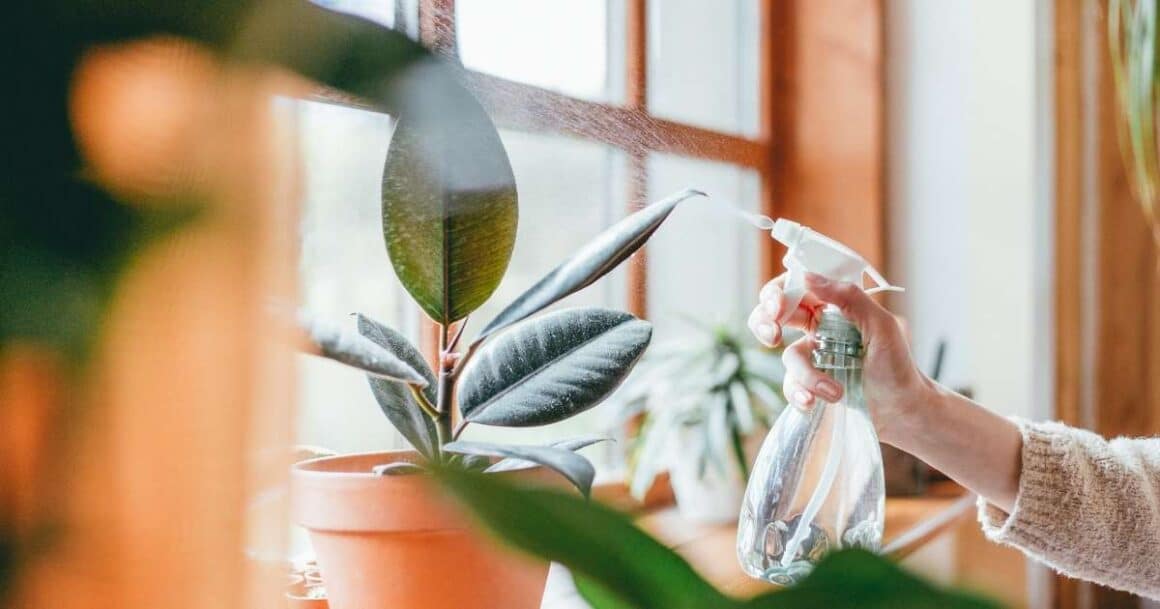
Understanding The Options: The Best Neem Oil for Plants
Before you add a bottle to your cart, it’s essential to know which format fits your lifestyle. I always look for 100% organic, cold-pressed options.
Cold-pressing ensures that the vital nutrients and the active Azadirachtin aren’t destroyed by heat, giving you the most “bang for your buck.”
1. Ready-To-Use (RTU) Neem Oil Sprays
If you’ve just started your indoor jungle or only have a handful of houseplants, a pre-mixed spray is your best bet. It’s convenient, mess-free, and takes the guesswork out of measuring.
- How to Apply: Thoroughly saturate the plant, focusing on both the tops and bottoms of the leaves as well as the surface of the soil.
- The Routine: For active pests, repeat the application every two days for up to two weeks until you no longer see any movement.
2. 100% Cold-Pressed Neem Oil Concentrate
For those of us with a growing collection, buying concentrate is the most cost-effective and potent method. Because it’s pure, it’s highly effective at tackling stubborn infestations.
The “Plant Mama” DIY Neem Spray Recipe
Mixing your own solution is simple. You’ll just need a few household basics:
- Ingredients: 100% Cold-pressed Neem Oil, warm water, and a mild surfactant (like Dawn dish soap or Castile soap).
- The Ratio: * Fill a spray bottle with 1 quart of warm water.
- Add 1/2 teaspoon of Neem Oil.
- Add 3–4 drops of dish soap (this helps the oil and water mix).
- Instructions: Shake the bottle vigorously before each use. Spray the entire plant until it is dripping, ensuring you hit every nook and cranny.
3. Neem Cakes: The Soil Superfood
Neem cakes are the solids left over from the oil extraction process. They are a “secret weapon” to prevent pests before they start.
- How to use: Break up the cake and mix it directly into your potting soil. Not only does it deter soil-dwelling larvae, but it also acts as a slow-release organic fertilizer. (Just be sure to follow the package directions to avoid over-fertilizing!)
How to Do a Neem Oil Soil Soak
If you are dealing with fungus gnats or want long-term protection, a neem oil soil drench is the answer. This method allows the roots to absorb the neem, turning the plant itself into a “systemic” defense system.
Neem Oil Soil Drench Recipe
- For a Quart: 1 teaspoon of neem oil + 1 teaspoon of soap.
- For a Gallon: 2 tablespoons of neem oil + 1 tablespoon of soap.
- Mixing Tip: Use lukewarm water to help the oil emulsify properly.
Important Note: Only mix what you need! A neem solution begins to break down after 24 hours and loses its potency, so fresh is always best.
How to Apply the Soil Soak Using Neem Oil
- Pour 2 to 3 cups of the mixture around the base of each plant, ensuring the roots are well-saturated.
- Frequency: For active infestations, repeat every two weeks. As a preventative measure, once a month is plenty to keep your indoor jungle in peak condition.

Shop The Best Neem Oil for Plants (and Gardens!)
Safer Brand Ready To Use Neem Oil
Kills eggs, larvae, and Adult Stages of Insects. Prevents & Kills Black Spots, Powdery Mildew, and Rust
Pest Control: Spider Mites, Aphids, Whiteflies, and Other Insect Pests
Use on all Roses, Flowers, Houseplants, Fruits, Nuts, Ornamental Trees, and Shrubs.
Use on Vegetables Grown In and Around the Home and Garden.

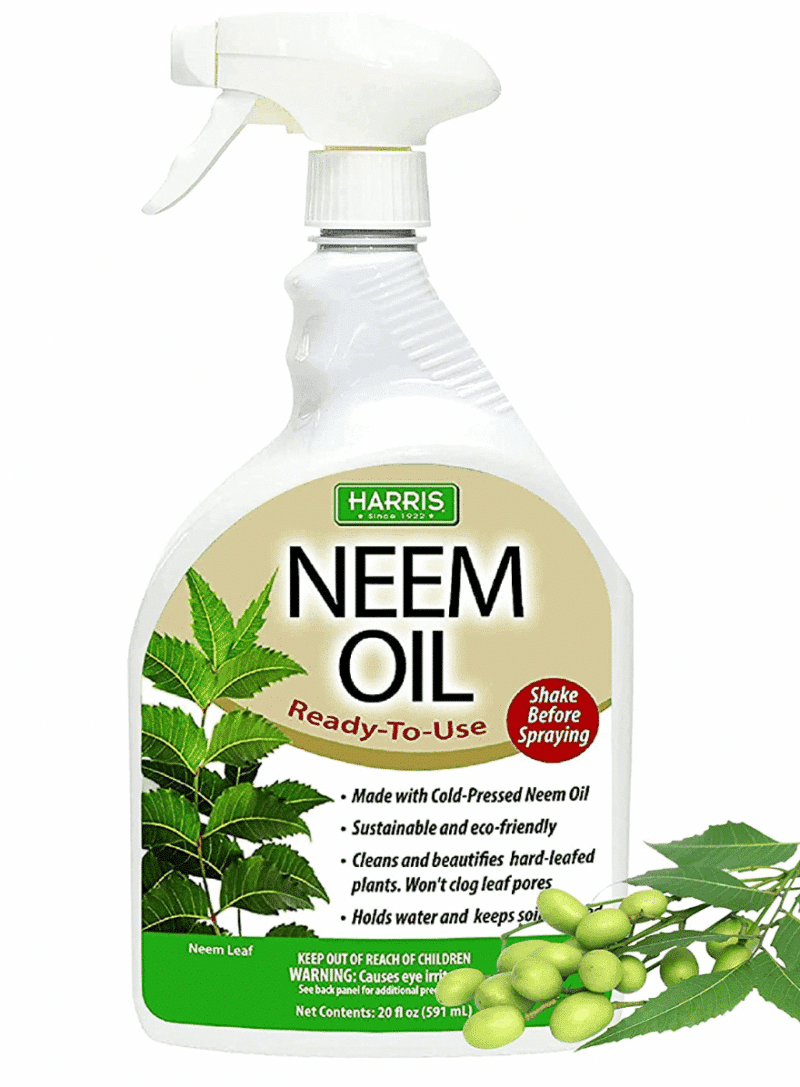
Harris Cold Pressed Neem Oil Spray for Plants
- Ready to Use Cold-Pressed Neem Oil- This can be sprayed directly on indoor and outdoor plants.
- Shines Foliage- Shine’s plant leaves and leaves a luster to your foliage all year long.
- High Concentration- Uses a 2% concentration of neem oil with an eco-friendly emulsifier.
Organic Neem Bliss 100% Pure Cold Pressed Neem Seed Oil.
One of the best neem oil products on the market!
100% Cold-pressed and pure Organic Neem Oil.
This product is perfect for indoor and outdoor organic gardening and is a certified organic product that complies with USDA standards.
100% Cold-pressed to ensure the most potent and active elements for the best results.

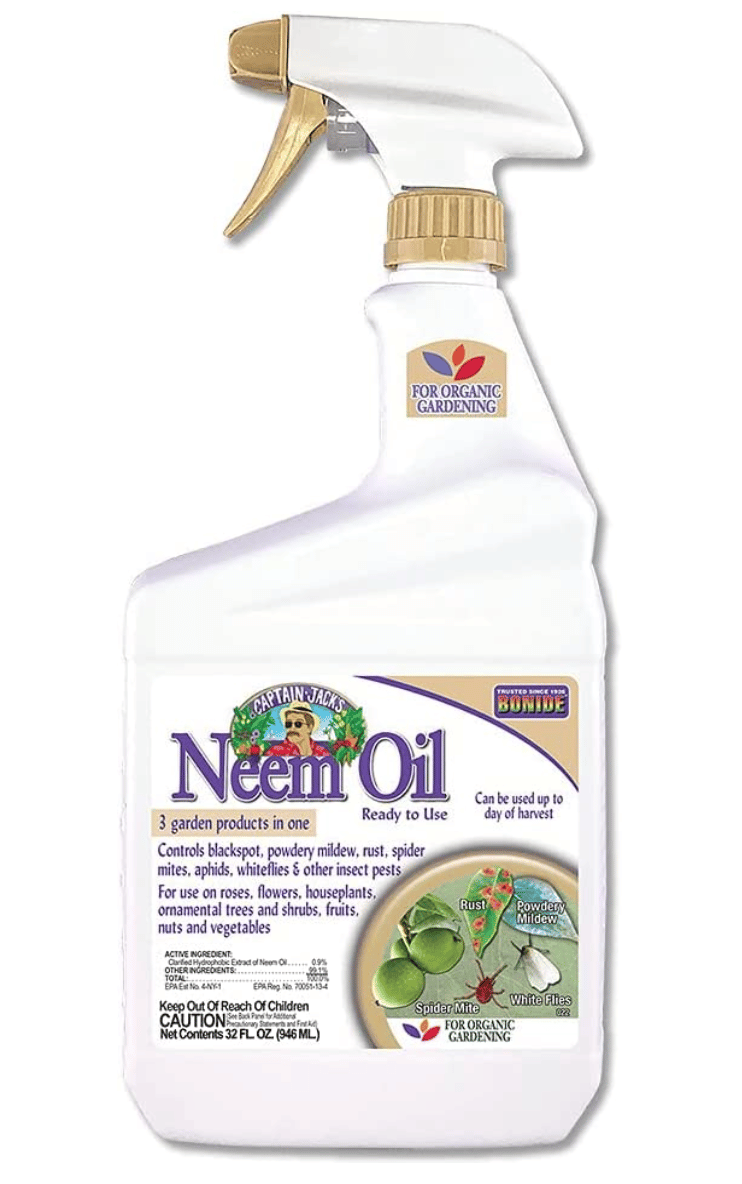
Bonide CAPTAIN JACK’S Neem Oil
Bonide Neem Oil is a perfect pest control solution for any garden that deals with mites, flies, mildew, and other pests. This product is a three-in-one fungicide, miticide, and insecticide.
Bonide’s 3-in-1 Neem Oil is great because it kills insects’ egg, larvae, and adult stages while also preventing the fungal attack on plant tissues.
It is perfect for houseplants and all organic gardens, including roses, flowers, vegetables, fruits, herbs, indoor houseplants, trees, and shrubs.
This product is ready to use! The spray nozzle makes this product easy to use, and It’s approved for organic gardening.
Natria Neem Oil Spray for Plants
Natria Neem Oil Plant Spray is a multi-use insect repellent, pesticide, and fungicide in one!
This easy-to-use organic Neem Oil comes in a ready-to-use bottle for easy application.
It is designed to kill insects quickly for indoor plants and ornamental shrubs! Works on aphids; spider mites; whiteflies; caterpillars; fruit flies; midges; beetles; and more
Controls blackspots, botrytis, downy mildew, powdery mildew, scab, rust, and more.
It can be applied anytime indoors, in spring, early summer, or fall outdoors.

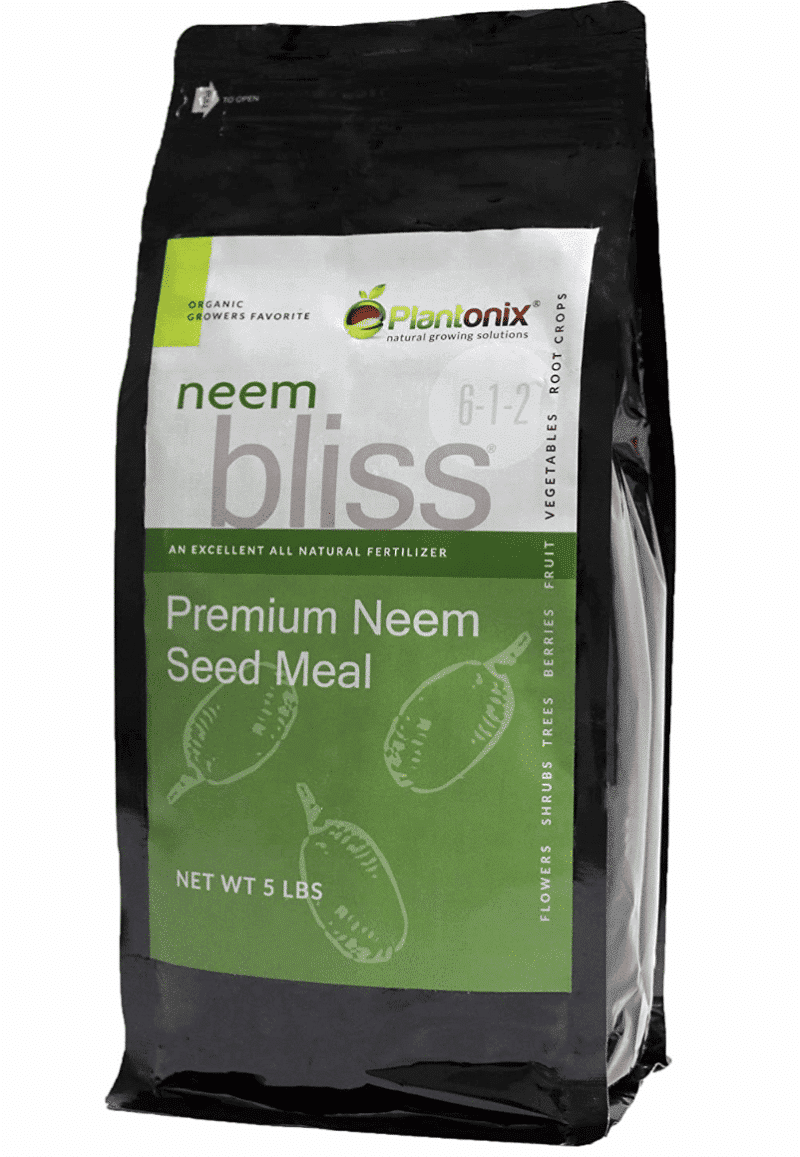
Neem Bliss Premium Neem Cakes
Neem Bliss premium neem cakes help improve soil texture, aeration, and water retention, which helps your plants grow healthy roots.
This organic fertilizer restores and enhances overall soil health naturally. Neem Bliss is a great source of slow-release nitrogen.
Using a cold-pressed process from the Neem Tree (Azadirachta Indica) not only acts as a premium fertilizer but also protects your plants from insects and disease
Houseplant 101 Articles:
FAQs: Using Neem Oil for Houseplants and Gardens
What is neem oil, and why does it benefit houseplants?
Neem oil is a natural extract derived from the neem tree.
It’s beneficial for houseplants due to its antifungal, antibacterial, and insecticidal properties. Neem oil helps control pests, prevent diseases, and promote plant health.
How should I apply neem oil to my houseplants?
I always dilute neem oil according to the product instructions and apply it using a spray bottle.
Ensure thorough coverage, including the undersides of leaves. Apply neem oil in the early morning or late evening to avoid sunburn on treated plants.
Can neem oil be used as a preventive measure for houseplant pests?
Yes, neem oil is effective as a preventive measure. Regular applications create a protective barrier against pests and diseases.
I like to apply neem oil every 2-4 weeks, especially during the growing season, helps keep houseplants healthy.
Are there different types or formulations of neem oil for houseplants?
Yes, neem oil comes in various formulations, including concentrated oils, ready-to-use sprays, and mixes with additional ingredients. Choose a formulation based on your preference and the specific needs of your houseplants.
Can neem oil be used on all types of houseplants?
Neem oil, including flowers, herbs, and vegetables, is generally safe for most houseplants.
However, I would avoid using neem oil on plants sensitive to oil-based treatments, such as ferns and some succulents.
Conclusion: The Best Neem Oil for Plants
Whether you are tending to a rare, velvety Alocasia or a hardy Snake Plant, your greenery deserves protection that is as gentle as it is effective.
We’ve covered everything from the power of Azadirachtin to the ease of a ready-to-use neem spray, and even how to mix your own systemic soil drench to finally banish those persistent fungus gnats.
Remember, the secret to success with any organic pesticide is consistency. Don’t be discouraged if you don’t see results overnight; nature takes its time, and a regular foliar spray routine will eventually break the life cycle of spider mites, thrips, and mealybugs for good.
Happy growing, and may your leaves always be lush, shiny, and pest-free.
XO, Christine

I’ve been keeping it real since 1963. 😊
I’m a child of God, devoted wife, proud mama and grandma, full-time creative, domestic engineer, and passionate self-care enthusiast.
I’m purpose-driven and do my best to live each day with intention—whether shopping for treasures, painting in my art studio, digging in the garden, or cooking up something yummy for my family.
I’m always up for a good chat and love collaborating with fellow creatives and brands.
Let’s connect—don’t be shy!