No-vember: Say No to Drain, Say Yes to Your Best Self 2025
II was scrolling through my feed when a simple word stopped me cold: No-vember.
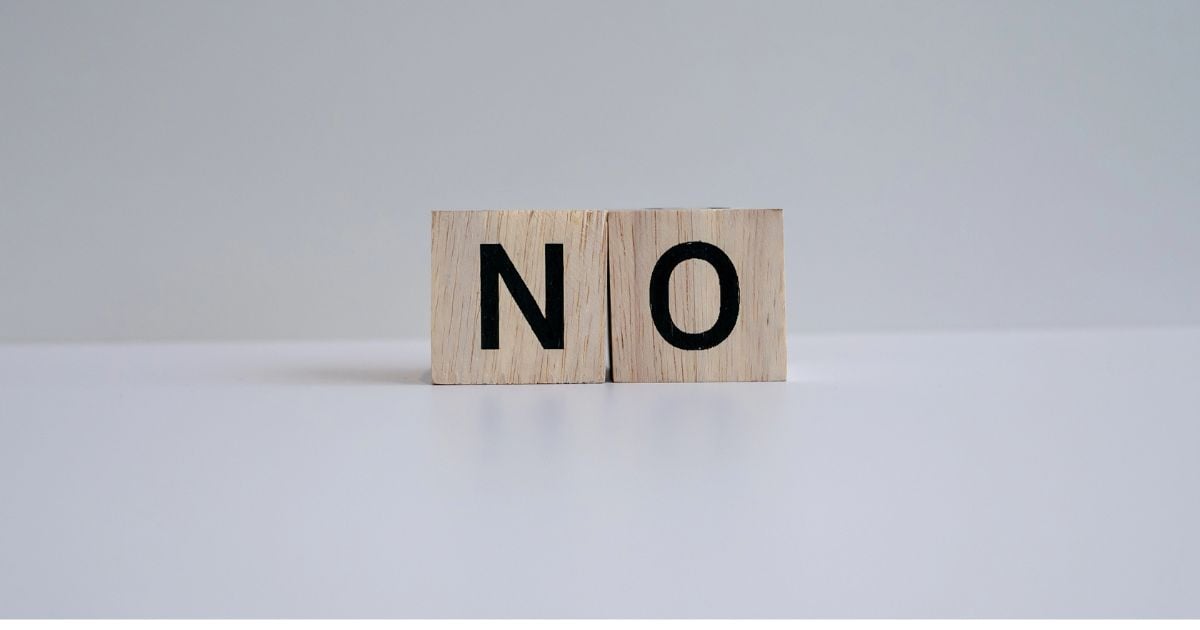
No-vember is about saying no to what exhausts us, drains us, hurts us, or keeps us from showing up as our best selves for what truly matters.
As we step into the holiday season, the pressure ramps up—especially for women who’ve spent lifetimes being the chief coordinator, housekeeper, caregiver, cook, and “the hostess with the mostest.” We’ve mastered saying “yes” to everything, even when it costs us our peace, our health, and our ability to be fully present.
But here’s what I’ve learned after 62 years, raising four kids, and hosting countless holidays: The holidays shouldn’t be about doing more. They should be about doing what actually matters.
That’s the No-vember meaning: intentionally saying no without guilt to things that drain us or don’t align with our core values, so we can say a powerful YES to being our best selves and serving and loving others well.
This intentional living approach is about having the energy to be fully present for your grandchildren, to serve your community authentically, and to actually enjoy the season instead of just surviving it.
This is avoiding holiday burnout through strategic boundary-setting.
I’m here to show you how to embrace this philosophy—learning how to say no so you can say yes to being the best version of yourself you can be!
This post may contain affiliate links. Click to visit policies and disclosures

What is No-vember? #no-vember
Let me share what No-vember truly means: it’s not about shutting yourself off, refusing everything, or withdrawing from the world. Actually, it’s quite the opposite.
No-vember is about strategic discernment. Learning to identify and decline the commitments that drain you, exhaust you, hurt your wellbeing, or conflict with your core values so you can show up as your best self for the people and purposes that genuinely matter to you.
It’s a dedicated month where you consciously ask yourself: Does this serve me and allow me to serve others authentically? Or does this deplete me and prevent me from being fully present?
This is intentional living at its finest. This powerful self-care trend is proactive stress management, a declaration that you want to have energy left for what actually matters.
If you’re feeling overwhelmed or stretched so thin that you can’t be present for your loved ones, learning to say no to what drains you is your path back to your best self.

The Struggle is Real: Protecting Your Energy and Your Peace
If you’re nodding along, you are not alone. For women, the struggle to set boundaries can be deeply rooted in decades of conditioning that taught us that self-worth comes from service, sacrifice, and never saying no.
That said, what are the two biggest threats to protecting your energy and your peace and showing up in the world as your best self? My opinion? Perfectionism and people-pleasing.
This toxic combination doesn’t just make us tired—it prevents us from being who we want to be. When you’re exhausted, resentful, and running on fumes, you can’t show up with genuine love and presence.
You’re going through the motions, not living authentically. That’s the real cost of saying yes to everything.
Here’s what happens when we don’t protect our capacity to be our best selves:
- Holiday Burnout: Complete mental and physical exhaustion that makes it impossible to be present or joyful for the people you love.
- Inauthentic Showing Up: When you’re overcommitted and exhausted, you can’t bring your best self to anything. You’re physically present but emotionally absent, going through motions instead of connecting genuinely.
- Resentment: unfortunately, resentment will gradually and quietly grow when you consistently choose commitments and relationships that drain you more than they support your well-being.
- Values Misalignment: Wasting your precious energy on things that don’t reflect who you want to be or what you truly value (your core values), leaving no room for what truly matters to your heart and soul.
- Physical Health Decline: The stress-related symptoms that emerge—headaches, digestive issues, sleep problems, weakened immunity—when we ignore our body’s desperate pleas to slow down and discern what truly deserves our energy.

No-vember and Saying No to Our Own Unrealistic Expectations
Here’s where No-vember gets really personal: I’ve discovered that the commitments that drain mes most often come from within.
This is where No-vember can truly challenge our perfectionism, people-pleasing, and compulsive busyness. Let me share something vulnerable: I look back at holidays past with a bittersweet mix of fondness and regret.
The countless Thanksgivings I spent hours planning the perfect décor, place settings, food, and kids’ activities. Not just one turkey, but two—because what if we didn’t have enough? And leftovers! Which meant doubling everything.
Or the year I had the brilliant idea to decorate four Christmas trees with different themes, plus wreaths, a Christmas village, a nativity scene, and garland with twinkle lights everywhere inside and outside.
That excessive effort drained me and prevented me from showing up as my best self for the people I love the most. One beautifully decorated tree creates just as much joy as four. One perfectly roasted turkey feeds everyone with plenty of leftovers—and if there aren’t leftovers? So what.
Here’s the deeper truth: I learned early in childhood that my performance made me feel loved. It gave me a sense of belonging, of being “good enough,” even if just for a little while.
Throughout the years, I genuinely wanted to bring happiness to my family (and yes, impress my Mother-in-law because she was a hard act to follow). And I adore the holidays and all the wonderful traditions and still do.
But now? I’m choosing to embrace the No-vember mindset. I’m learning it’s okay to simplify, set boundaries, and say no to my own excessiveness as well as others’ expectations.
This year, thanks to No-vember, I’m choosing peace and presence over performance, perfectionism, and excess. If that resonates with you, I hope you do the same.

The Art of “No”: Protecting Your Best Self
The most challenging aspect of setting healthy boundaries is often saying the genuine “No” to commitments that drain your energy, leaving you feeling exhausted and empty.
To learn how to say no without feeling guilty, try shifting your perspective: remember, you’re not rejecting others or being difficult; you’re actually safeguarding your ability to be your best self.
This small change can make a big difference in how you feel about setting boundaries.
After years of automatically saying “yes” and then paying the price in exhaustion and resentment, I’ve developed some boundary-setting strategies that actually work. (all a work in progress)
Four Principles for Protecting Your Peace, Energy and Your Best Self
1. Use the No-vember Filter Questions: Before answering any request—whether from others or from your own perfectionist tendencies—pause and ask yourself:
- Does this drain me or energize me?
- Does this align with my core values?
- Will this allow me to show up as my best self, or will it deplete me?
- Does saying yes to this serve my well-being and my ability to be present for what truly matters?
I literally count to three and run through these questions now before responding to any request. This simple practice has proven to help with my emotional wellness and my ability to show up authentically.
2. Reframe Your “No” as a “Yes” to Your Best Self: Every time you decline something that would drain you, remind yourself: “I’m not saying no to this person or opportunity—I’m saying YES to having energy left to be my best self for what truly matters.” This shift in perspective helps to dissolve guilt instantly.
3. Stop Over-Explaining (Your Wellbeing is Reason Enough): My therapist has been helping me with this one, and it’s a game-changer.
You don’t owe anyone an elaborate justification for protecting your capacity to be your best self. The secret to a firm boundary is stating your decision clearly, followed by a period.
When you over-explain, you’re subconsciously seeking permission or approval. You don’t need either. Your wellbeing and your ability to show up authentically are reason enough.
4. Define Your Core Values and Non-Negotiables: Use this month to get crystal clear on what actually matters to you and what kind of person you want to be. When you understand your core values, making decisions becomes much easier.
My non-negotiables this November? Sunday afternoons are sacred for rest and recharging so I can be present all week.
No activities that feel obligatory rather than aligned with my values and self-care goals. These boundaries protect my ability to show up as my best self and love others well.

Saying “No” leaves room for more YES!
We’re not saying no to everything or being selfish—we’re creating room to truly focus on what matters most. When you choose to decline commitments that drain your energy, you’re actually saying YES to taking care of yourself and making space for what’s important.
- Being fully present: This means having enough energy to genuinely engage with your grandchildren, partner, and friends, not just being physically there, but also emotionally available and genuinely joyful. Present, not just in attendance.
- Authentic Service: Contributing to your community, family, and faith in ways that align with your values and gifts, not out of obligation or guilt, but from a place of genuine desire and sufficient capacity. Service from overflow, not depletion.
- Your Health and Wellbeing: Having energy for the self-care that keeps you healthy and whole, like morning walks, nourishing meals, adequate sleep, and creative pursuits that restore your soul instead of draining it.
- Meaningful Connection: Quality time that creates real memories and deepens relationships, instead of rushed, distracted interactions where you’re physically present but mentally running through your overwhelming to-do list.
- Living Your Values: Spending your precious, finite energy on what actually matters to you spiritually, relationally, and personally, not just on what you feel obligated to do or what others expect.
I want to be the grandmother who sits on the floor playing with my grandkids, not the one who’s too exhausted to get down there. I want to serve my community from a place of joy and calling, not resentment and obligation.
I want to host gatherings where I can actually sit down and enjoy my guests, instead of being trapped in the kitchen, depleted, and disconnected from the very people I’ve invited.
That’s what No-vember is giving me: permission and practical tools to be my best self. My best self—the version of me that’s present, authentic, and has something genuine to give.
If you’re interested in exploring more about what I’ve been discussing, I highly recommend these two fantastic books I’ve recently read.
They beautifully cover topics like saying no, saying yes, and living your most genuine life in the present moment.
- “The Best Yes” by Lysa TerKeurst teaches you how to discern between good opportunities and the best opportunities that align with your God-given calling and core values. It’s about learning to say yes to what truly matters and confidently saying no to everything else, even good things, so you can give your best to your best priorities.
- The “Let Them” theory by Mel Robbins is about releasing your need to control other people’s reactions, opinions, choices, and behaviors—essentially, let them think what they think, feel what they feel, and do what they do. It frees you from the exhausting burden of managing everyone else’s emotions so you can focus your energy on showing up as your best self for what truly matters.

The Power of Gratitude While Setting Boundaries
As we learn to be firm on our boundaries, we must anchor ourselves in gratitude. These two practices aren’t contradictory—they’re complementary. Setting a boundary to protect your best self is an act of grace that creates space for genuine appreciation of what you already have.
When you’re not depleted and resentful from overcommitment, you can actually feel gratitude for your blessings. When you have energy left to be present, you notice the beauty in ordinary moments. This is true wellness.
I encourage you to start each day this November by listing three specific things you’re genuinely thankful for.
Not generic statements, but real blessings. “I’m grateful I had the energy to sit and really talk with my daughter yesterday without feeling rushed.
If you’re looking for ways to deepen your gratitude practice this month, these articles might resonate:
- “I AM” Gratitude Affirmations
- Peace Quotes to Help Find Your Calm
- My Latest Gratitude Alphabet
- How to Practice Gratitude Daily
- How to Make a Gratitude Jar
Practical Ways to Reclaim Your Best Self This November
By choosing to say no to what drains you right now, you’re investing in your capacity to show up authentically all season long.
Here’s how I’m personally applying No-vember principles:
1. Protect Energy for Morning Restoration
When you say no to what drains you, you reclaim routine and rituals that fill your cup from the inside out.
I need quiet time with God, space to read and process my thoughts through morning pages, and time to care for both my soul and body—whether that’s my morning skincare routine, a peaceful morning walk, or a grounding yoga class.
Self-care that truly nourishes begins with feeding your soul, then tending to everything else.
2. Simplify Traditions and Expectations
Give yourself permission to simplify this season. One beautifully roasted turkey instead of two. One Christmas tree instead of four. Store-bought rolls alongside your homemade dishes.
Simplified doesn’t mean less meaningful—it means you have energy left to actually enjoy what you’re creating.
Which traditions truly matter to you? Keep those. Which ones exhaust you? Let them go without guilt.
3. Create Space for Soul-Nourishing Activities
Saying no to obligations creates room for what restores you. For me, it’s tending to my houseplants, getting my hands dirty in my garden, or making art. It’s also organizing one peaceful corner of your home or simply reading without rushing.
These aren’t frivolous hobbies; they refill my tank so I can show up better everywhere else.
4. Schedule Non-Negotiable Rest
Your body needs downtime to have capacity for anything else. Rest isn’t selfish; it’s the foundation of being your best self. You can block it in your calendar like any important commitment, because showing up rested and present is important. Every hour you give to exhaustion is an hour you can never get back.
5. Say Yes to Value-Aligned Service
When you decline what drains you, you have the capacity to say yes to service that aligns with your gifts, values, and purpose. Remember: You can do anything—but you can’t do everything. Choose what matters most.

What Would Jesus Say About No-vember?
As a woman of faith, I can’t help but wonder: What would Jesus think about this whole No-vember concept?
Here’s what I’ve discovered: Jesus modeled boundaries beautifully. He withdrew from crowds to pray. He said no to urgent demands when they conflicted with His purpose. He rested. He prioritized time with His Father over the expectations of people. He even disappointed His own family and closest followers when it meant staying aligned with God’s will.
If Jesus, the Son of God, needed to set boundaries, rest, and say no to good things to focus on the best things, then that’s good enough for me!
Here are some verses that remind me that it’s 100% ok to draw boundaries, say no, and take care of ourselves first before we can take care of everything and everyone else.
Bible Verses about Not People-Pleasing:
- “Am I now trying to win the approval of human beings, or of God? Or am I trying to please people? If I were still trying to please people, I would not be a servant of Christ.” Galatians 1:10
- “Fear of man will prove to be a snare, but whoever trusts in the LORD is kept safe.” Proverbs 29:25
On Guarding Your Heart and Energy:
- “Above all else, guard your heart, for everything you do flows from it.” Proverbs 4:23
- “Cast all your anxiety on him because he cares for you.” 1 Peter 5:7
Bible Verses About Resting:
- “Come with me by yourselves to a quiet place and get some rest.” Mark 6:31
- “Be still, and know that I am God.” Psalm 46:10
On Choosing What’s Better (Not Just Busy):
- “Martha, Martha, you are worried and upset about many things, but few things are needed—or indeed only one. Mary has chosen what is better, and it will not be taken away from her.” Luke 10:41-42 (Jesus affirming Mary for sitting at His feet instead of being busy like Martha)
On Wisdom in Saying No:
- “There is a time for everything, and a season for every activity under the heavens.” Ecclesiastes 3:1
- “But seek first his kingdom and his righteousness, and all these things will be given to you as well.” Matthew 6:33
On Giving From the Heart (Not Obligation):
- “Each of you should give what you have decided in your heart to give, not reluctantly or under compulsion, for God loves a cheerful giver.” 2 Corinthians 9:7
On God’s Peace vs. Our Striving:
- “Do not be anxious about anything, but in every situation, by prayer and petition, with thanksgiving, present your requests to God. And the peace of God, which transcends all understanding, will guard your hearts and your minds in Christ Jesus.” Philippians 4:6-7
The truth is, No-vember isn’t just a trendy self-care practice; it’s biblical wisdom. When you say no to what drains you so you can show up as your best self, you’re honoring God’s design for rest, boundaries, and intentional living.
You’re being a faithful steward of the time, energy, and gifts He’s entrusted to you.
No-vember Quotes to Anchor Your Boundaries
If you’ve clicked around here much, you know I’m a lover a good quote! Here are some “no-vember” quotes that keep me grounded when I’m tempted to say yes to what drains me:
Quotes On Time and Priorities:
- “You can do anything, but you can’t do everything.” — David Allen
- “Time is the most valuable thing a person can spend.” — Theophrastus
- “The way we spend our time defines who we are.” — Jonathan Estrin
Quotes Boundaries and Self-Care:
- “Daring to set boundaries is about having the courage to love ourselves, even when we risk disappointing others.” -Brené Brown
- “When you say yes to others, make sure you’re not saying no to yourself.” -Paulo Coelho
- “Self-care is not selfish. You cannot serve from an empty vessel.” -Eleanor Brown
On Letting Go of Perfectionism:
- “Have no fear of perfection, you’ll never reach it.” -Salvador Dalí
- “Good enough is perfect.” -Unknown
- “You don’t have to do it all. You just have to do what matters.” — Unknown
Quotes On Living Intentionally:
- “The best way to find out what we really need is to get rid of what we don’t.” -Marie Kondo
- “It’s not about having time. It’s about making time for what matters.” -Unknown
- “Every time you say yes to something you don’t want to do, you’re saying no to something you do.” -Unknown
- Do Less-More. -unknown
Related Articles
- 30-Day Gratitude Challenge
- How to Avoid Holiday Burnout
- Drawing Healthy Boundaries at Work
- How to Improve Your Self-Esteem
- How to Practice Gratitude Daily
- How to Make a Gratitude Jar
- 15+ Self-Care Ideas For Women
- Gratitude VS Appreciation
- Cultivate an Attitude of Gratitude
- Setting Boundaries Without Guilt
- How to Practice Spiritual Self-Care
- Alphabet Gratitude List A-Z
- How to Make a Vision Board
- Healthy Boundaries as a Women
- Understanding “No” is a Complete Sentence
FAQs: Your No-vember Questions Answered
These are the real questions women ask me about No-vember boundaries and protecting their capacity to show up as their best selves:
What does No-vember mean exactly?
No-vember means intentionally saying no to commitments that drain you, exhaust you, hurt your wellbeing, or don’t align with your core values. So you can say YES to showing up as your best self for what truly matters.
It’s not about doing less; it’s about doing what actually serves your wellbeing and allows you to be fully present for the people and purposes that mean the most.
How do I know what to say no to?
Ask yourself these filter questions before committing to anything: (1) Does this bring joy or does it drain me? (2) Does this align with my core values? (3) Will saying yes to this allow me to show up as my best self, or will it leave me depleted and unable to be present?
Trust your body’s signals and your gut (your intuition). If thinking about a commitment makes your shoulders tense, your stomach knot, or makes you feel instantly tired, that’s valuable information.
No-vember is about honoring those signals instead of overriding them out of obligation. If it drains you or conflicts with your values, that’s your no.
Why is it so hard to say no to people?
Many of us learned that saying no is often perceived as being selfish, demanding, or ungrateful. Add decades of reinforcement, and people-pleasing becomes our automatic response.
But here’s the truth: when you’re too depleted to show up authentically, you’re not actually serving anyone well. You’re just going through exhausted motions.
The guilt you feel when saying no isn’t about the actual boundary; it’s about challenging a lifetime of conditioning. The good news? It gets easier with practice, and the people who love you will adjust to the healthier, more authentic version of you.
Won’t saying no hurt my close relationships?
Actually, saying no to what drains you strengthens your relationships. When you protect your capacity to be your best self, you can show up more fully, authentically, and joyfully for the people you love.
Think about it: would your loved ones rather have you physically present but exhausted, or genuinely present, energized, and engaged?
At first, there might be some small bumps as people adjust to your boundaries, since they’re used to having unlimited access to you.
But setting healthy boundaries really helps build stronger, more positive relationships. When you’re clear about what you can handle, you’re able to show up more fully and give your best to the commitments you make.
The people who genuinely love you will respect your well-being. Those who don’t? That tells you something important about that relationship.
How do I stop feeling guilty after setting a boundary?
Guilt often comes from breaking people-pleasing habits, not because you’ve done wrong. Reframe your actions: you’re not being selfish or rejecting others but protecting your best self. Instead of fearing disappointment, focus on what you gain: energy to be present.
Remind yourself: “Every no to what drains me is a yes to being my best for loved ones.’ Guilt fades as you realize you’re a better grandmother, friend, partner, and community member when not exhausted. Your relationships improve as you’re truly present, not just going through the motions.
How does No-vember help with perfectionism?
Oh yeah! No-vember forces you to face that perfectionism drains and exhausts you, preventing your best self. Saying no to perfectionist standards (like four Christmas trees or two turkeys) reveals that ‘good enough’ creates space and energy to be present, which people value.
Grandchildren want a grandmother who can play, not a Pinterest-perfect holiday. Guests want a hostess who can enjoy their company, not a spotless house.
Conclusion: No-vember and Showing Up as Your Best Self
Here’s a much shorter, punchy conclusion with keywords intact:
Your Permission to Show Up as Your Best Self
No-vember is your permission slip to step away from people-pleasing, perfectionism, and excess that prevent you from being fully present.
At 62, I’ve learned this: your energy is precious and finite. How you spend it determines who you can be. Learning how to say no without guilt to what drains you is one of the most loving acts of self-care you can commit to for yourself and everyone who cares for you and wants your genuine presence.
When you protect your peace and energy and live authentically, everyone wins. Your grandchildren get a grandmother who can play, not just watch.
Your community receives authentic service, not obligatory going through the motions. Your friends get real connection, not surface-level interactions from an exhausted person.
Let’s enter this holiday season with enough energy left to actually enjoy it. Let’s be our best selves—not our most exhausted selves.
XO, Christine
#november, # no-vember #no-vember2025

I’ve been keeping it real since 1963. 😊
I’m a child of God, devoted wife, proud mama and grandma, full-time creative, domestic engineer, and passionate self-care enthusiast.
I’m purpose-driven and do my best to live each day with intention—whether shopping for treasures, painting in my art studio, digging in the garden, or cooking up something yummy for my family.
I’m always up for a good chat and love collaborating with fellow creatives and brands.
Let’s connect—don’t be shy!